No products in the cart.
March 19, 2026 8:35 pm

Free USA shipping on orders $35+
March 19, 2026 8:35 pm
Interest in viking history continues to grow among readers who want reliable information about exploration, belief, and political change in early northern Europe.
A carefully chosen history book can open the door to deeper understanding of the history of the vikings, from maritime expansion to settlement in distant lands.
This guide presents a structured set of book recommendations designed to help beginners and serious readers build a solid foundation through trustworthy scholarship and engaging narrative.
The titles below include major academic studies, readable narrative works, and essential saga literature preserved in medieval manuscript traditions.
Together they provide a balanced view of viking culture, social organization, and regional interaction across Scandinavia and beyond.
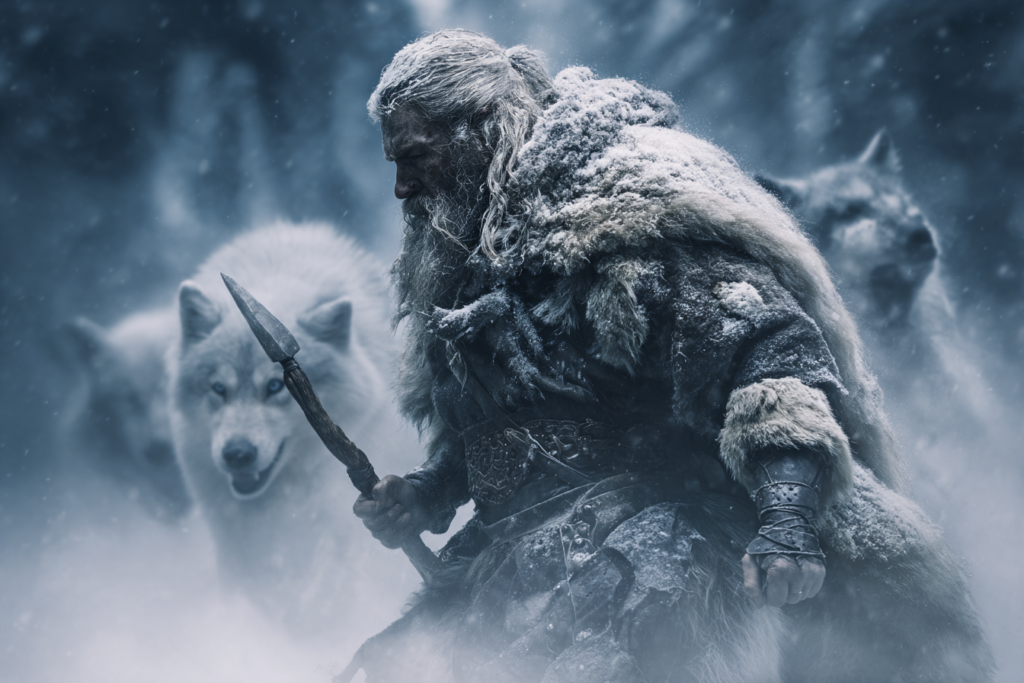
The study of the history of northern seafaring societies reveals how migration and exchange reshaped early European history.
The viking age marked a period of dynamic mobility in which traders, settlers, and warriors influenced political development from Norway to the British Isles.
Understanding this era offers insight into the formation of regional identities and economic networks.
Modern research combines literary evidence with archaeological discoveries to create a more nuanced overview of cultural life.
Such work helps move beyond the popular myth of the Viking as only a violent raider. Instead, scholars present a complex society shaped by farming, craftsmanship, and maritime skill.
Literary traditions preserved in the icelandic saga corpus provide a window into worldview and social values.
These narratives often reference gods and goddesses associated with norse mythology, revealing the spiritual framework that shaped ritual and storytelling.
Themes such as fate and cosmic destruction appear in discussions of ragnarok.
Researchers analyse these texts alongside archaeology to understand symbolic behaviour and cultural memory.
The interplay between historical experience and mythology demonstrates how belief systems influenced identity. This perspective enriches any deep dive into Viking cultural development.
A good viking history book balances academic reliability with clear narrative structure.
Readers often begin with works that present daily viking life, social hierarchy, and settlement patterns in accessible language. Such introductions serve as a starter step toward more specialised research.
Many modern publications include visual material and illustration features that support interpretation of artefacts.
These elements help explain trade networks and the spread of scandinavian communities. A structured reading list encourages gradual progression through increasingly detailed studies.
Narratives of exploration describe daring adventurer figures crossing oceans in search of wealth and opportunity.
Accounts of sea wolves travelling across the North Atlantic highlight the technological importance of shipbuilding and navigation. These journeys enabled contact with distant societies and created lasting cultural exchange.
Historical traditions remember leaders and their followers as sons of vikings, shaping regional power dynamics.
Stories about figures like Ragnar Lothbrok and Rollo appear in chronicles and later literature. Their reputations reflect both legend and political ambition during periods of territorial conquest.
Saga narratives often describe ambitious kings striving for authority across fragmented territories.
For example, historical accounts to unify regions within Norway and establish lasting leadership structures.
These developments signal the gradual transformation from raiding culture to organised governance.
The emergence of influential rulers contributed to broader changes in medieval history across northern Europe.
Stories about a powerful viking king or king harald provide context for early state formation. Such themes remain central to scholarly debate.
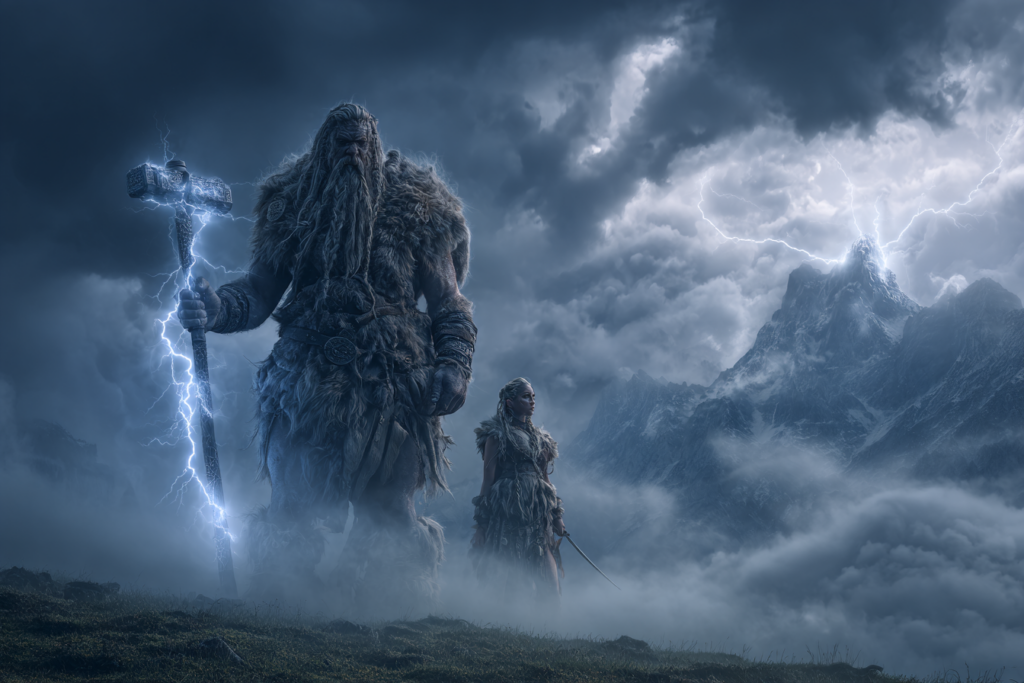
Recent scholarship has redefined approaches to interpreting ritual practice and social organisation.
Works by Professor Neil Price combine environmental evidence, textual interpretation, and cultural theory to produce a comprehensive overview of belief systems.
The influence of authors like Neil Price demonstrates renewed public interest in rigorous historical writing.
Contemporary research challenges stereotypes and clarifies regional diversity within viking history.
These studies also emphasise connections between political change and everyday experience. Through interdisciplinary methods, historians continue to refine understanding of the period.
While saga texts blend storytelling with memory, they remain vital historical sources.
The poetic edda and prose narratives attributed to Snorri Sturluson preserve traditions transmitted orally before being written down.
Their depiction of honour, kinship, and reputation reflects social realities of the viking age.
Scholars compare these narratives with different sources, including law codes and archaeological data. Such comparison helps distinguish symbolic storytelling from probable historical events.
This balanced approach supports a nuanced reading of northern cultural heritage.
Excavations across Scandinavia have revealed settlement remains, burial practices, and trade goods that illuminate daily life.
These findings provide concrete evidence about craft production, diet, and long-distance exchange. They also clarify regional differences among nordic communities.
Material analysis strengthens interpretation of written texts by grounding them in physical context.
Researchers studying artefacts gain insight into economic organisation and social hierarchy. This integration of evidence shapes modern understanding of the history of the vikings.
Starting with a clear introduction to norse society helps readers build confidence before tackling specialised monographs.
A chronological path through narrative history, thematic studies, and primary sources supports deeper engagement. This method encourages long-term interest in early northern Europe.
Readers may also explore selected translations or even a paperback edition of major works to maintain variety.
Some popular titles present material in a style resembling historical fiction, yet remain grounded in research. Balanced reading fosters appreciation of cultural complexity.
This post contains affiliate links. This means that I may receive a small commission if you decide to purchase and not additional cost to you 🙂 This supports my small, handmade jewelry business.
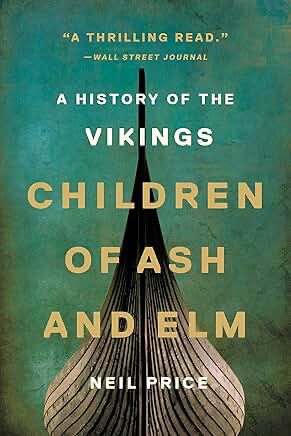
image source www.amazon.com
Neil Price’s influential synthesis examines ritual practice, warfare, and social structure during the Viking Age. Drawing on literary and archaeological evidence, the book reconstructs worldview and community life. It has become a key reference for modern interpretations of Viking society.
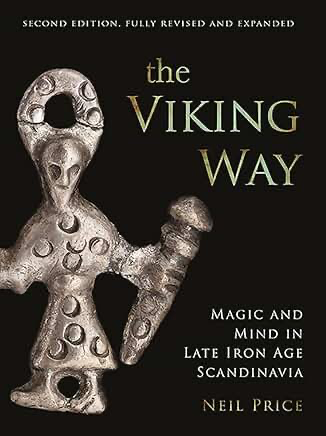
image source www.amazon.com
This earlier study by Neil Price focuses on spiritual specialists and ritual behaviour. The author explores symbolic practices through interdisciplinary research. The work remains central to debates about belief systems.
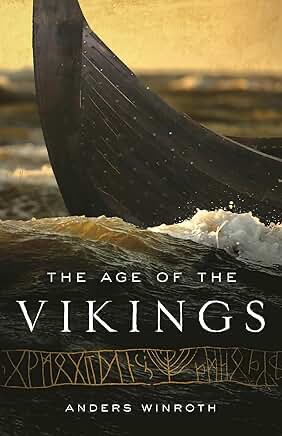
image source www.amazon.com
Anders Winroth presents a concise academic survey of expansion and settlement. His narrative explains political development and regional diversity. The book offers a structured scholarly introduction.
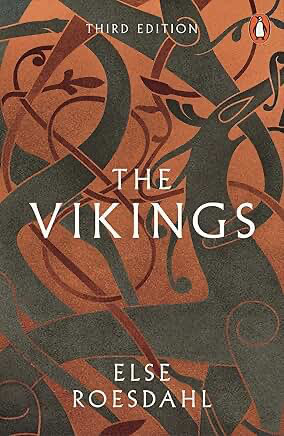
image source www.amazon.com
Else Roesdahl provides an archaeological perspective on trade, migration, and daily life. Artefact analysis supports discussion of social organisation. The study is widely used in teaching.
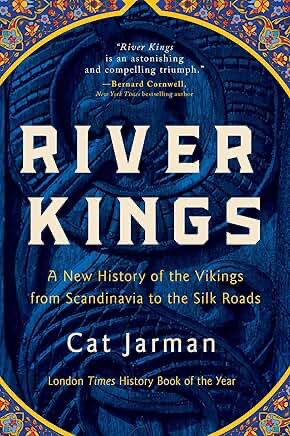
image source www.amazon.com
Cat Jarman traces long-distance connections through material evidence. Her research highlights economic networks and cultural interaction. The narrative combines science with storytelling.
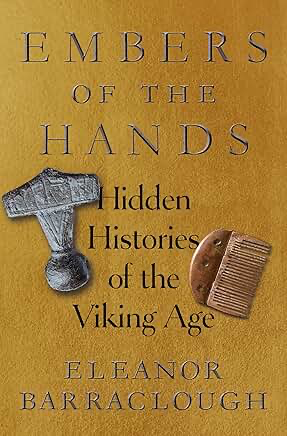
image source www.amazon.com
Eleanor Barraclough reconstructs experience through objects and landscapes. The book shifts focus from warfare to domestic life and identity. It presents a cultural history approach.
image source www.amazon.com
Tore Skeie narrates political rivalry across the North Sea region. His account emphasises leadership struggles and shifting alliances. The work situates Viking activity in wider European context.
image source www.amazon.com
Thomas Williams examines settlement and influence in the British Isles. Museum research supports historical interpretation. The book clarifies regional transformation.
image source www.amazon.com
Lars Brownworth delivers an engaging narrative of maritime expansion. The author traces voyages and political change across northern Europe. The work remains accessible yet informative.
image source www.amazon.com
Robert Ferguson surveys migration, agriculture, and cultural exchange. He challenges stereotypes about violence and barbarism. The narrative provides a broad historical perspective.
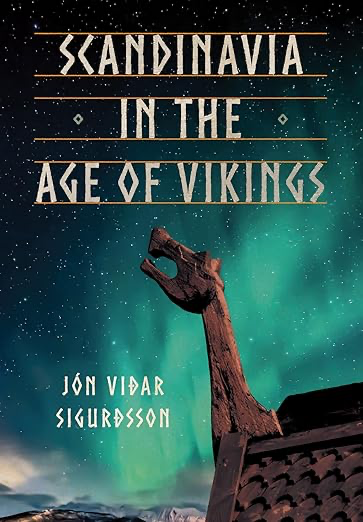
image source www.amazon.com
This scholarly study examines political organisation, social hierarchy, and regional interaction in Viking-Age Scandinavia.
Sigurðsson analyses written sources alongside archaeological research to explain how leadership, kinship networks, and economic exchange shaped early northern societies. The book provides a clear academic introduction to the development of power structures and cultural identity in the Viking world.
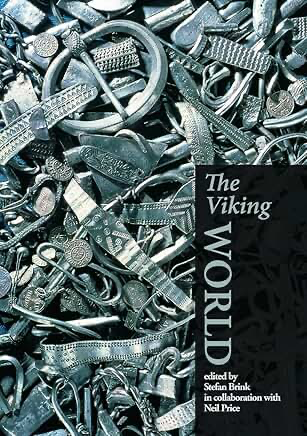
image source www.amazon.com
Edited by Stefan Brink and Neil Price, this collection covers religion, economy, and governance. Contributors present specialised research grounded in evidence. The book is widely cited in academic work.
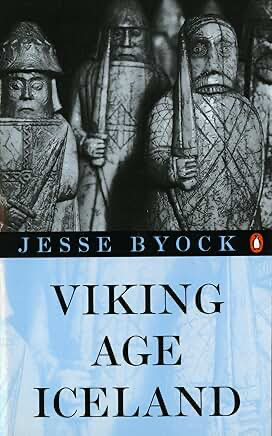
image source www.amazon.com
Jesse Byock analyses political organisation in early Icelandic society. Saga material and archaeology inform his conclusions. The work provides a regional case study.
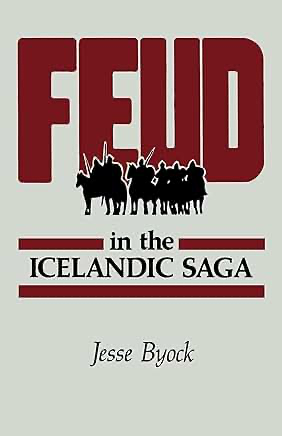
image source www.amazon.com
Byock explores conflict resolution and legal tradition through narrative texts. The study examines social hierarchy and reputation. The book offers insight into communal structures.
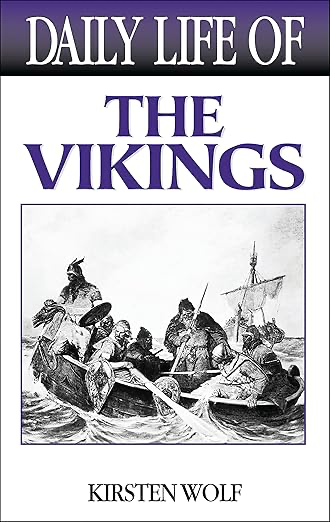
image source www.amazon.com
Kirsten Wolf reconstructs domestic experience using artefacts and literature. Topics include diet, clothing, and settlement patterns. The work highlights everyday practice.
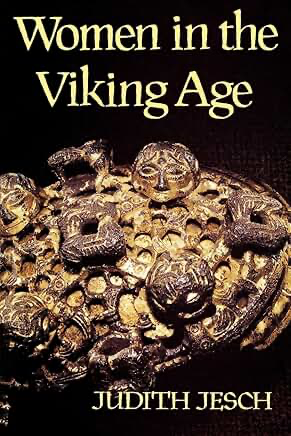
image source www.amazon.com
Judith Jesch analyses gender roles through textual and archaeological evidence. Her research reveals social diversity within communities. The book remains influential in cultural history.
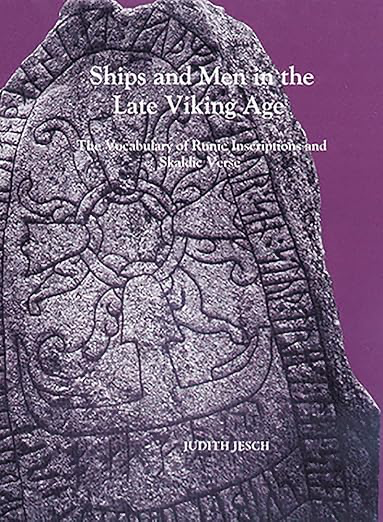
image source www.amazon.com
Jesch examines maritime culture and mobility. She explores symbolism associated with seafaring. The study contributes to understanding expansion.
image source www.amazon.com
Jenny Jochens investigates governance and legal frameworks. Saga and documentary evidence inform her analysis. The book clarifies social organisation.
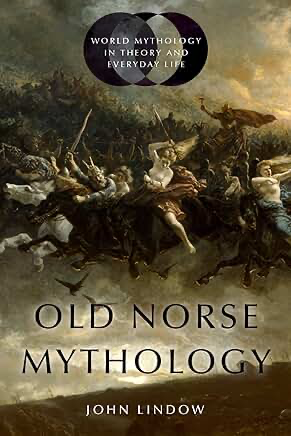
image source www.amazon.com
John Lindow offers a scholarly survey of narrative traditions and cosmology. The study explains mythic symbolism and storytelling patterns. It provides context for cultural interpretation.
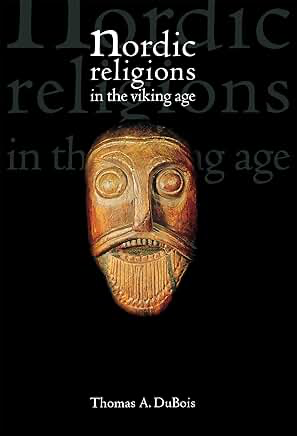
image source www.amazon.com
Thomas A. Dubois examines ritual practice and religious identity. Anthropological methods support historical analysis. The work deepens understanding of belief systems.
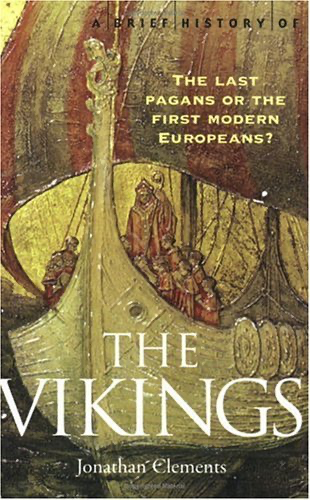
image source www.amazon.com
This readable narrative survey traces the origins, expansion, and eventual transformation of Viking societies across northern Europe.
Clements explains political developments, exploration, and cultural interaction in a clear chronological framework suitable for newcomers to the subject.
The book provides an accessible overview grounded in historical sources and modern scholarship.
image source www.amazon.com
Julian Richards introduces scientific approaches to artefact analysis, i.e., he is trying to explain the Viking worldview, culture and life through the archaeological record. His narrative explains excavation methods and interpretation. The study offers insight into material culture.
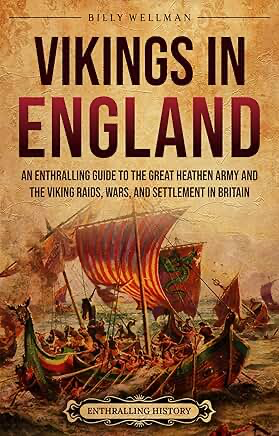
image source www.amazon.com
Billy Wellman investigates settlement patterns and political interaction. Archaeological evidence supports regional analysis. The book clarifies Scandinavian influence.
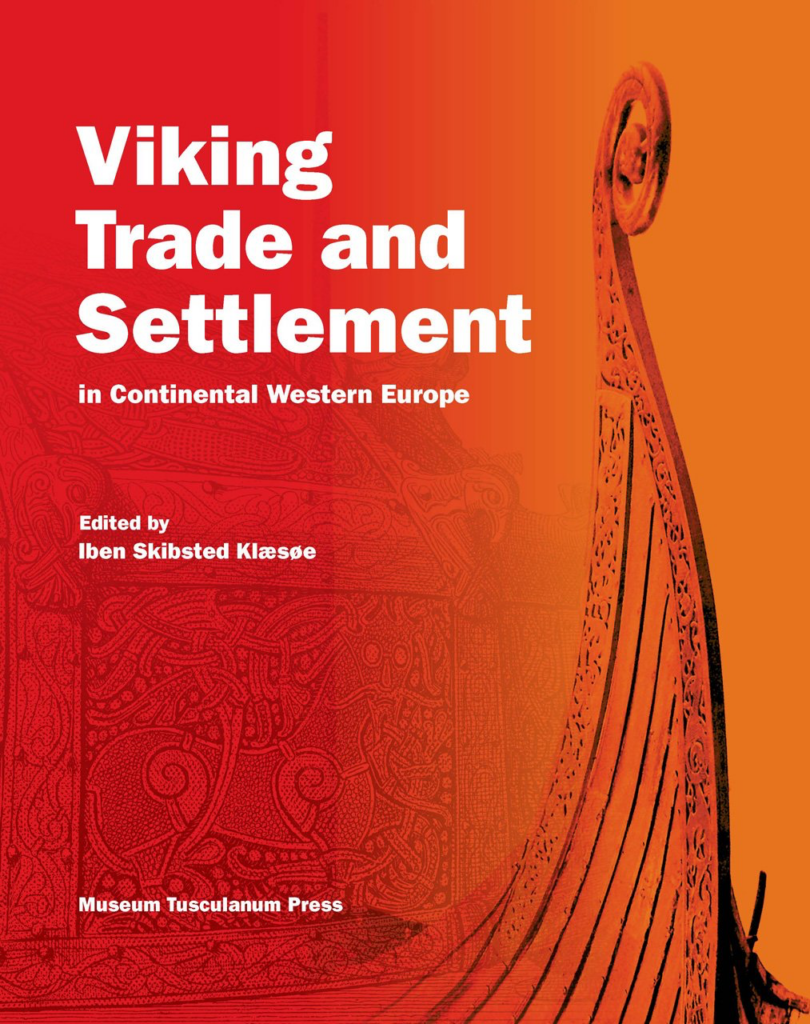
image source www.amazon.com
Iben Skibsted Klæsøe examines commercial exchange and urban development. The research highlights economic integration. The work contributes to understanding migration.
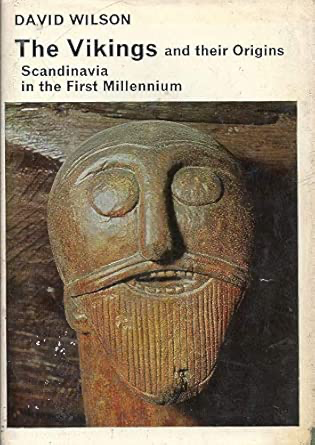
image source www.amazon.com
David M. Wilson provides an early academic synthesis of cultural development. Artefacts and written sources inform his interpretation. The book remains historically significant.
image source www.amazon.com
This collection of kings’ sagas attributed to Snorri Sturluson narrates royal history. Modern translations provide commentary and context. The text preserves narrative tradition.
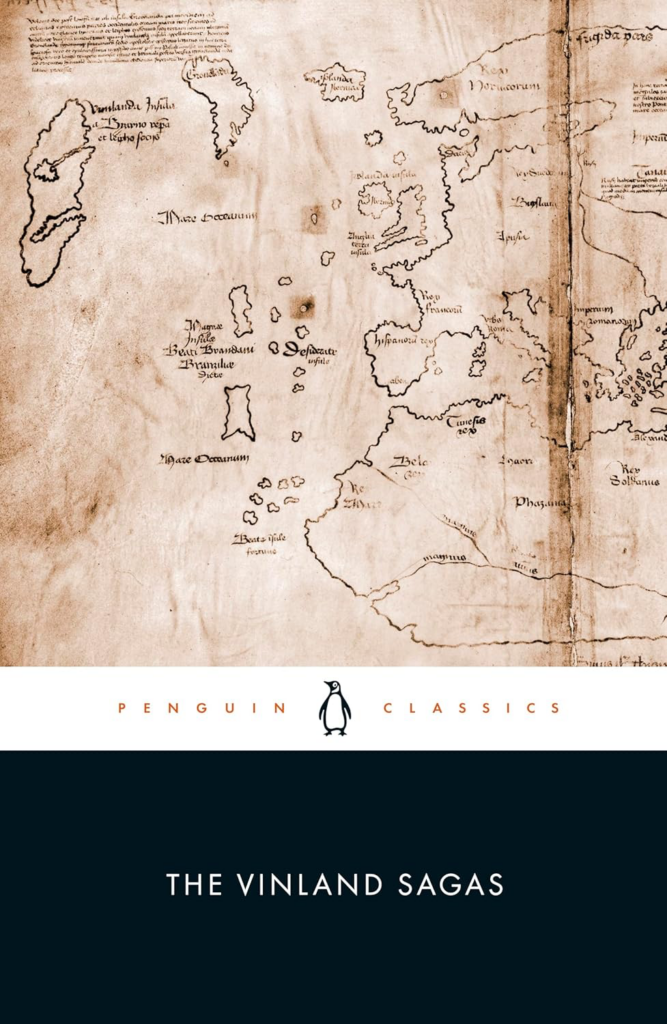
image source www.amazon.com
These Icelandic texts describe voyages to North America. They blend storytelling with historical memory. Editions include scholarly interpretation.
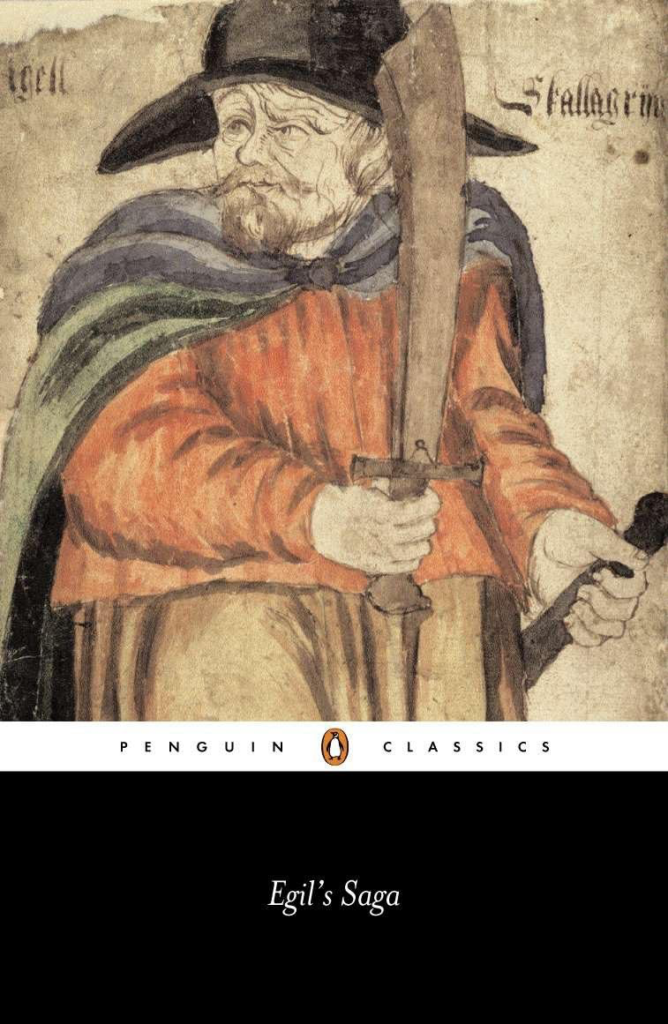
image source www.amazon.com
The narrative explores honour, poetry, and conflict in early Icelandic society. Its themes illuminate reputation and identity. Modern translations clarify historical context.
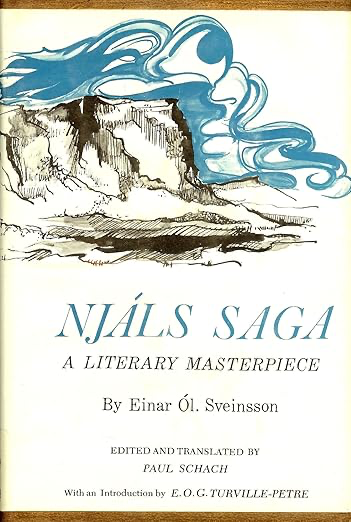
image source www.amazon.com
This extensive text examines feud, law, and community relations. It portrays social tension within settlement society. The saga remains a cornerstone of literary study.
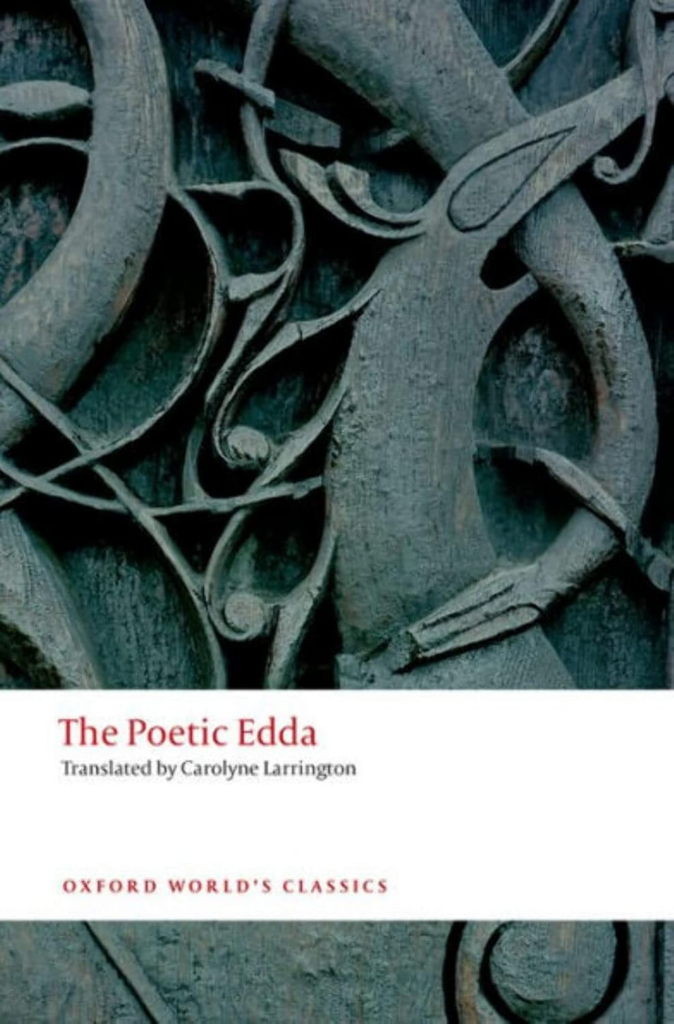
image source www.amazon.com
This collection of mythic and heroic poems preserves early narrative traditions. Modern editions include philological analysis. The text offers essential cultural background.
Exploring the history of the vikings through carefully selected scholarship allows readers to move beyond popular stereotypes and gain a clearer sense of how these societies functioned.
The books in this guide collectively show that the viking age was not defined solely by warfare or expansion, but by trade, settlement, belief, and adaptation across a wide scandinavian world.
By combining narrative studies, thematic research, and primary saga literature, readers can build a well-rounded understanding of cultural change in early northern Europe.
A thoughtful approach to reading also reveals how modern historians continue to reinterpret evidence from texts and archaeological discoveries.
Each title contributes a different perspective on social organisation, religion and cultic practice, and everyday viking life, helping to place regional developments within broader history.
Following this structured path offers both beginners and experienced readers a reliable way to deepen their knowledge of viking history and appreciate the lasting influence of these communities on the medieval past.

ᛉ 100% handcrafted artisan pagan , viking, witchcraft and shamanic inspired jewelry.
ᛉ Runes, Symbolism & European Folklore
Get 20% off👇🏻

Five witches dance around a blazing bonfire beneath a citrine cabochon in this Walpurgisnacht pendant....
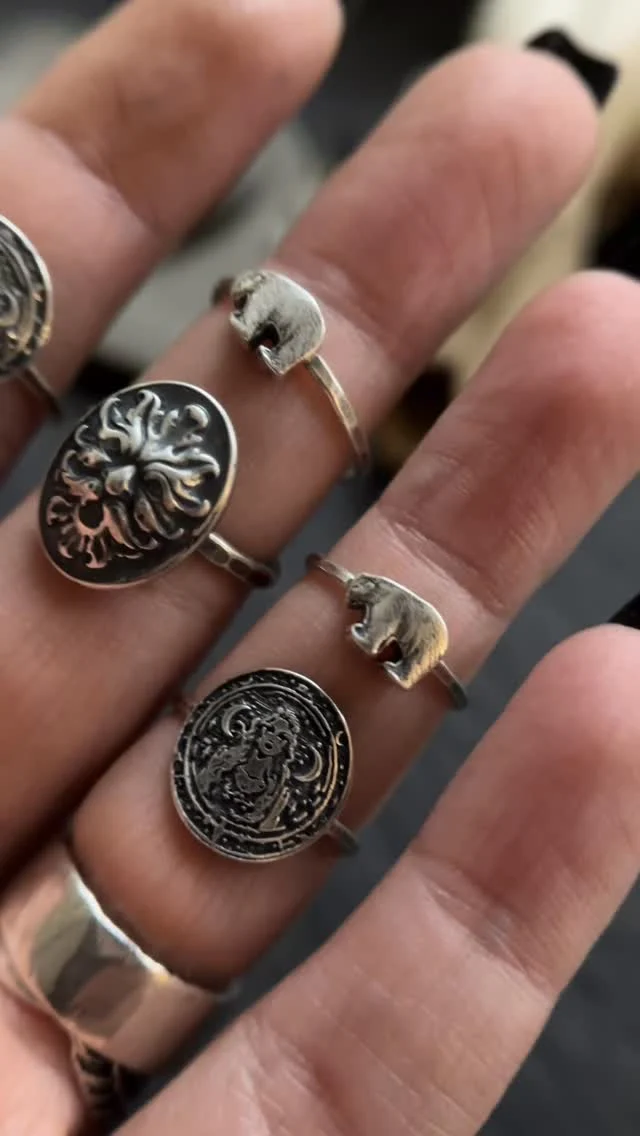
Happy washing day 🙃
A few rings I’ve worked on the last couple days…
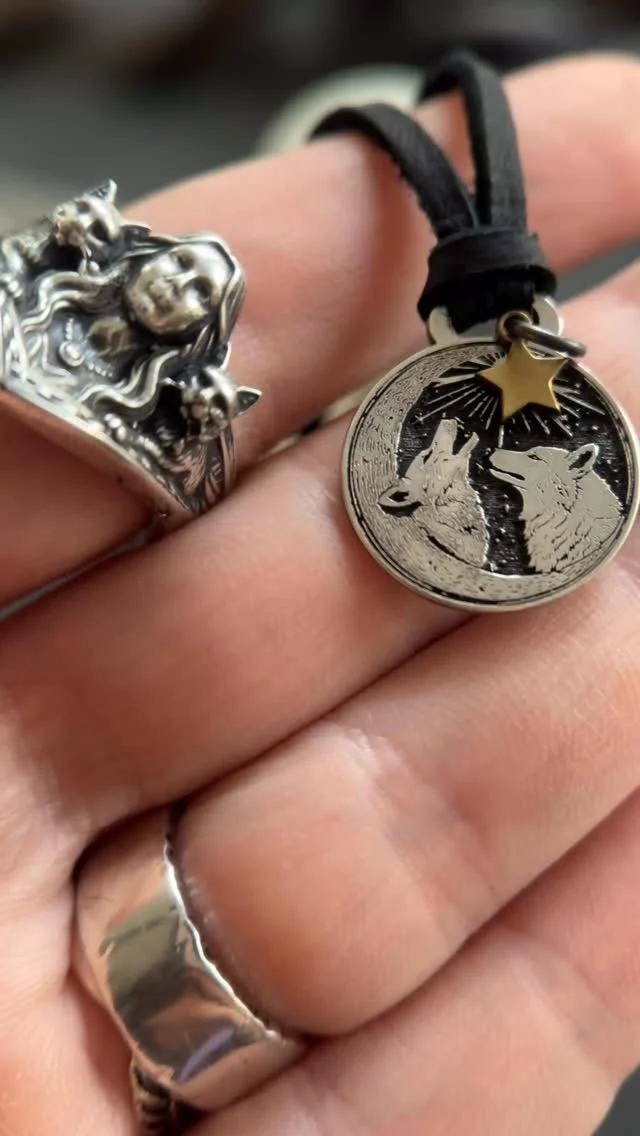
Freya’s cats rule and dogs drool?
Or was that the other way around? 🙃

Garm barely shows up in the old Norse stories.
Still… he leaves a mark.
A...
Leave a comment with your result ❤️
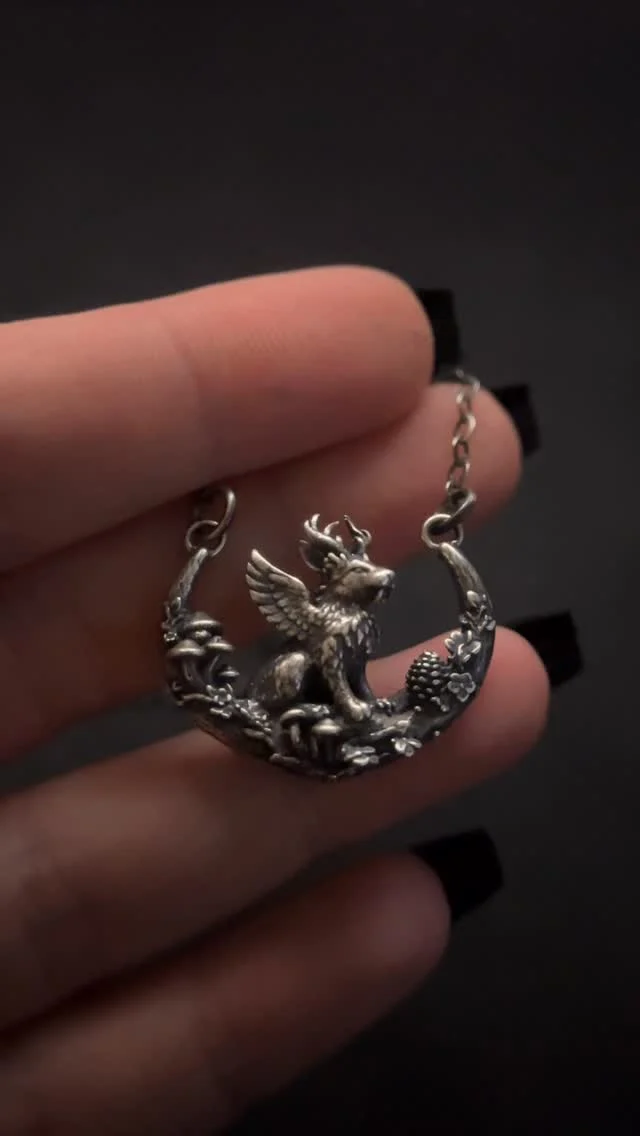
Bavarian Folklore says that you might just cross paths with a Wolpertinger in the alpine...

🐇🌲✨
He finally stepped out of the forest…
The Wolpertinger Pendant has arrived.
Inspired by...

I don’t often sell them, but love it when I do!
Vinca symbol bracelets ❤️...

Rooted in strength + guarded by ravens

The serpent waits 🖤
(Handcrafted Jörmungandr ring made to order in my shop)

Stay warm, everyone ❤️

😑😑😑🤮

I thought I had closed the book on the Alice in Wonderland rings…
But you...

Can this be over now, please?

In case you forgot 💜

Something I’ve been thinking about lately.
If there’s one thing I would’ve done differently early...

This year, we’re not buying things just to keep up.
If you need the reminder:...

My husband is from Bavaria (southern Germany) and I originally made this Krampus pendant for...

Some of the items I’m shipping out today ❤️
Please forgive my dirty nails 😂...

A few items shipping out today 🥰

This mornings rings shipping out ❤️

A few of the rjngs I’m shipping out this morning ❤️
How do you like...

Krampus is coming 🫶🏻

Getting ready to pack up these pretties and ship to their owners ❤️

Freya, cats and pentacles. Doesn’t get any better ❤️

You all got me going crazy making all these fairytale + storybook rings.
But I’ll...

Just launched these pretties ❤️
Size 9 amethyst ring + size 7.25 green kyanite

What would you trade to learn Baba Yaga’s secrets?

It *finally* looks, feels and smells like October!
And here are some items I’m packing...

This mornings pretties getting ready to ship :)

Getting ready to pack up these pretties and ship to their owners ❤️

You bet I’m hopping on this trend 😂
Thank you @shes_sinister for the prompt!

While I welcome the seasonal darkness…it sure is going to make my morning quick videos...

Finally finished the rings I’ve been working on in my stories ❤️
I think I...

Was going to post this update to my stories but it’s too long.

“How do you know I’m mad?” said Alice.
“You must be,” said the Cat, “or...

Some of this mornings orders getting ready to ship. Those little bats are so cute...

Here is the finished ring I was working on in my stories yesterday, along with...

A few of today’s orders shipping out this morning ❤️

The two silver raven rings I was working on in my stories yesterday.
…as well...

Eeeek! I’m so happy to add these to my shop ❤️
I’ve gotten so many...

I had 6 clamshells ready to ship this morning but I dropped and lost my...

Not the story you were told.
The girl didn’t run.
The wolf didn’t win.
This...

I love these raven rings so much 🖤
This mornings pretties shipping out.
All items...

Sleek + minimal Mjölnir ring ⚒️


About the author Jacqueline Fatica


