No products in the cart.
March 4, 2026 9:00 pm

Free USA shipping on orders $35+
March 4, 2026 9:00 pm
The study of vampire mythology offers a remarkable window into the ways human societies understand death, fear, and the unseen world.
Long before the elegant villains of modern novels and film appeared, the vampire existed in village traditions, religious debates, and regional storytelling.
These traditions form the foundation of what we now call the vampire myth.
When scholars examine the origins of the vampire myth, they discover a layered history shaped by Slavic traditions, Romanian legends, Norse sagas, and later literary transformations.
Early folklore preserved stories about restless spirits who troubled the living, and these narratives gradually evolved into the famous figure recognized today.
Often, these beliefs originate from an idea about the human soul, i.e., that it can detach from the body to travel, to journey, to communicate. Some historians have deemed it ‘the double’.
What makes this topic fascinating is the way historical sources reveal how the idea of the vampire changed across centuries.
The legend begins in rural communities but eventually travels into novels, theater, and cinema, creating one of the most recognizable supernatural figures in world storytelling.
The vampire is commonly described as an undead creature that rises after death and threatens the living.
Yet when we look closely at historical folklore, the figure appears in many forms. In early traditions, the vampire was not always a refined aristocrat like count dracula.
Instead, villagers imagined a dangerous presence connected to death and the mysterious boundary between worlds.
Scholars studying vampire mythology note that the earliest references appear in medieval Slavic languages, where the term vampir gradually developed its meaning.
According to Bruce McClelland’s historical analysis, the word vampire originally referred to individuals whose religious practices were condemned by Christian authorities.
Only later did the term shift toward describing a supernatural being associated with the dead.
As these stories spread, the vampire became one of the most recognizable figures in European folklore.
The idea that a being might return after death, wander at night, and disturb the living captured the imagination of rural communities across Eastern Europe.
These early traditions laid the groundwork for later tales of vampires that would shape literature and modern storytelling.
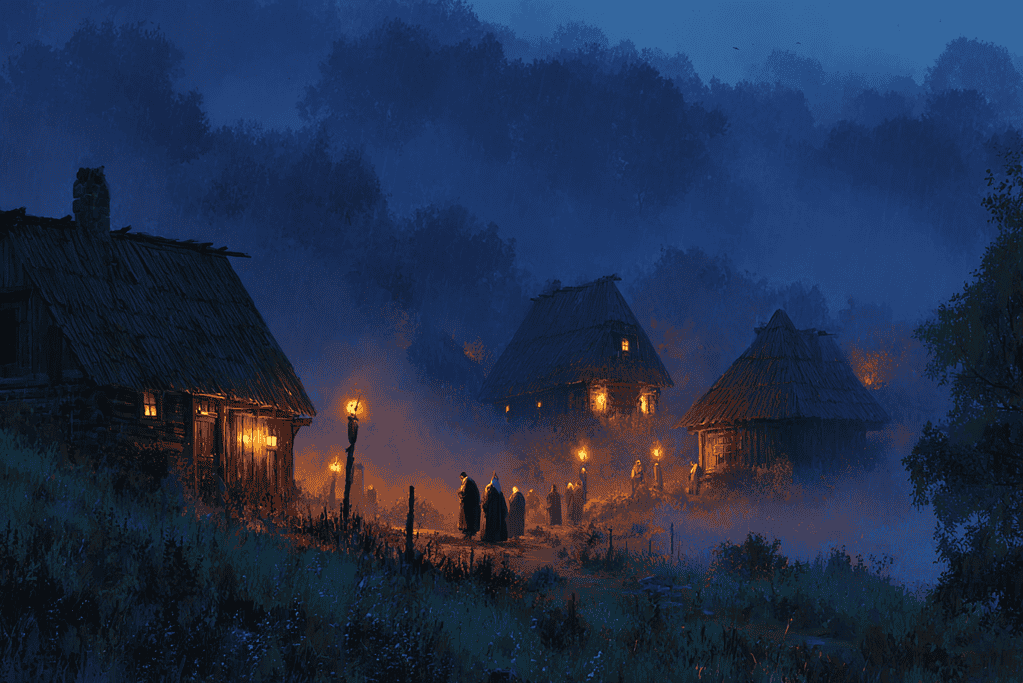
The strongest roots of the vampire myth lie in Slavic traditions of Eastern Europe.
Scholars examining vampire folklore consistently point to regions such as Serbia, Bulgaria, and neighboring areas as central to the development of the legend.
Within these communities, the vampire was imagined as a restless figure connected to the grave. Stories suggested that vampires were said to wander through villages at night, bringing illness or misfortune.
These beliefs reflect the anxieties of small rural societies where unexplained events demanded explanation.
Research on Balkan traditions shows that vampires are often described as beings that prey upon the blood of living creatures.
Over time the notion that a vampire might drink blood became one of the most recognizable elements of the legend.
Such imagery contributed to the enduring fascination surrounding the vampire in storytelling.
These early traditions also explain why the belief in vampires became widespread in parts of Eastern Europe.
In societies where supernatural explanations were part of everyday life, the vampire offered a way to understand mysterious events and the uneasy relationship between the living and the dead.
One of the richest bodies of vampire folklore comes from Romania, where traditions about the returning dead were carefully recorded by folklorists such as Agnes Murgoci.
Her research describes rural beliefs about restless spirits sometimes called strigoi, beings closely related to the idea of the vampire.
In Romanian tradition, villagers feared that a person might become a vampire if death occurred under unusual circumstances or if spiritual balance had been disturbed.
These legends often describe a wandering spirit that returned to trouble the community. The stories show how the vampire legend was woven into everyday life and local belief.
The Romanian traditions also influenced later literary interpretations of the vampire.
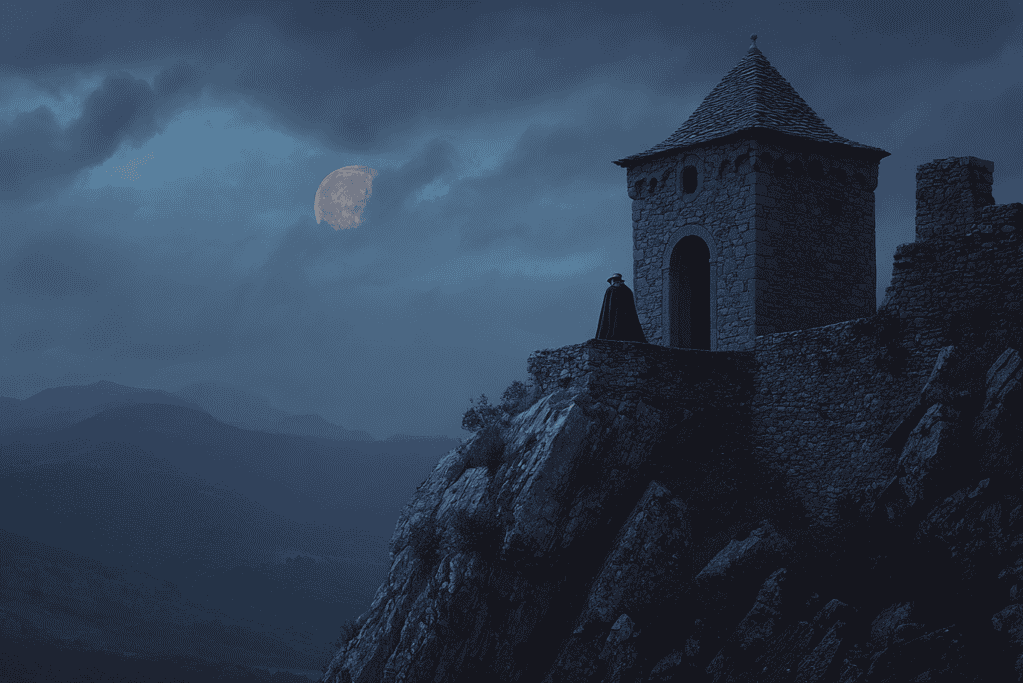
When Stoker wrote his famous novel Dracula, he drew inspiration from the mysterious landscape and legends of Eastern Europe.
Although the fictional count Dracula is not identical to the Romanian folklore figure, the setting helped shape the enduring image of the literary vampire.
The idea of the returning dead is not limited to Eastern Europe.
In Norse literature, scholars encounter a similar figure known as the draugr. Ármann Jakobsson’s research on Icelandic sagas shows that these beings share several traits associated with vampires.
In Old Norse stories, the draugr appears as a powerful revenant guarding burial mounds or haunting the countryside.
These beings are not exactly the same as the vampire, yet they demonstrate that fears of the returning dead were widespread in medieval Europe.
And again, these beliefs may stem from an older pre-Christian belief about the human soul and the detached ‘double’ that can wander sometimes at will.
The comparison between the draugr and the vampire is important because it shows that the legend of the vampire did not arise in isolation.
Many cultures imagined restless spirits capable of disturbing the living.
The Norse example reminds us that ideas about supernatural revenants belong to a broad tradition of mythic storytelling.
In Balkan communities, vampire stories served more than entertainment. Gerald Siegel’s research on regional traditions explains that the vampire played an important cultural role within village life.
According to these accounts, the vampire sometimes became a symbolic explanation for mysterious events.
When illness spread or livestock died unexpectedly, villagers might suspect supernatural interference.
The fears of vampires thus reflected deeper anxieties about health, fortune, and community harmony.
These traditions reveal how superstition functioned within historical societies.
Rather than dismissing these beliefs as simple error, folklorists recognize them as meaningful cultural expressions.
The vampire myth helped communities make sense of events that seemed otherwise impossible to explain.
The transformation of the vampire from folklore figure to literary icon began in the nineteenth century. Writers discovered that the legend offered rich possibilities for storytelling.
One early milestone appeared in the Gothic tale Carmilla, written by Irish author Joseph Sheridan Le Fanu.
This work helped shape the emerging image of the literary vampire as a mysterious and seductive figure.
The most influential work arrived with Bram Stoker’s Dracula, published in 1897. In this novel, count draculabecomes the embodiment of the vampire myth in Western literature.
Stoker’s portrayal of a powerful aristocratic vampire transformed earlier folklore into a dramatic narrative that captured the imagination of readers across Europe and beyond.
The fictional count Dracula is often linked to Vlad the Impaler, a historical ruler of Wallachia. Known for his harsh rule and military campaigns, Vlad the Impaler became a legendary figure in Eastern European history.
While bram stoker borrowed the name Dracula from this historical context, the connection between the real vlad and the fictional vampire remains largely symbolic.
The novel does not portray the historical ruler directly but instead transforms the name into a powerful literary symbol.
Nevertheless, the association between Vlad the Impaler and the vampire myth contributed to the mystique surrounding the story. Readers found the blend of historical memory and supernatural imagination particularly compelling.
After the success of Dracula, the vampire became a central figure in popular culture. Writers, filmmakers, and artists repeatedly reimagined the legend for new audiences.
In twentieth-century storytelling, the portrayal of vampires expanded dramatically.
The creature appeared in theater, novels, and eventually the vampire film, which brought the legend to global audiences.
Modern interpretations often explore psychological themes or moral dilemmas.
Television series such as Buffy the Vampire Slayer introduced audiences to heroic characters battling supernatural threats.
These works demonstrate how the modern vampire continues to evolve while preserving elements of traditional legend.
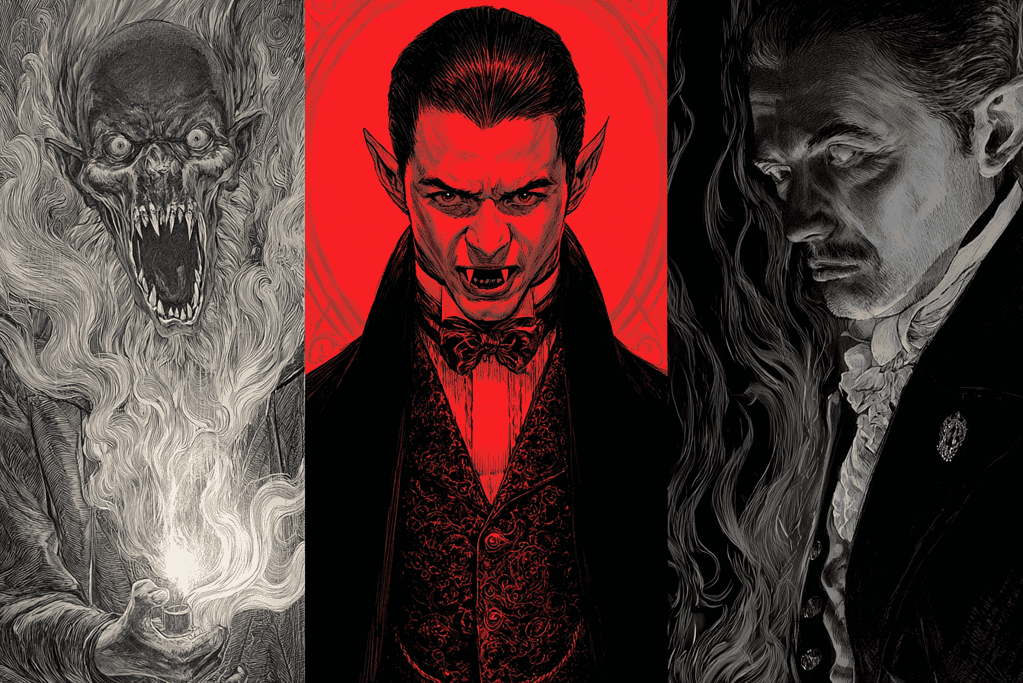
The enduring fascination with the vampire reflects deep cultural concerns about mortality and the unknown.
Scholars studying myths about vampires often observe that these stories explore questions about life, death, and moral order.
Across cultures around the world, legends about supernatural beings appear whenever people attempt to explain mysterious events.
The vampire myth is one of many examples of this phenomenon, yet it has proven especially powerful.
Because the vampire embodies both fear and fascination, the legend continues to inspire storytellers.
Thus vampires remain central figures in literature and cinema, connecting ancient folklore with modern imagination.

ᛉ 100% handcrafted artisan pagan , viking, witchcraft and shamanic inspired jewelry.
ᛉ Runes, Symbolism & European Folklore
Get 20% off👇🏻
Freya’s cats rule and dogs drool?
Or was that the other way around? 🙃

Garm barely shows up in the old Norse stories.
Still… he leaves a mark.
A...
Leave a comment with your result ❤️
Bavarian Folklore says that you might just cross paths with a Wolpertinger in the alpine...

🐇🌲✨
He finally stepped out of the forest…
The Wolpertinger Pendant has arrived.
Inspired by...

I don’t often sell them, but love it when I do!
Vinca symbol bracelets ❤️...

Rooted in strength + guarded by ravens

The serpent waits 🖤
(Handcrafted Jörmungandr ring made to order in my shop)

Stay warm, everyone ❤️

😑😑😑🤮

I thought I had closed the book on the Alice in Wonderland rings…
But you...

Can this be over now, please?

In case you forgot 💜

Something I’ve been thinking about lately.
If there’s one thing I would’ve done differently early...

This year, we’re not buying things just to keep up.
If you need the reminder:...

My husband is from Bavaria (southern Germany) and I originally made this Krampus pendant for...

Some of the items I’m shipping out today ❤️
Please forgive my dirty nails 😂...

A few items shipping out today 🥰

This mornings rings shipping out ❤️

A few of the rjngs I’m shipping out this morning ❤️
How do you like...

Krampus is coming 🫶🏻

Getting ready to pack up these pretties and ship to their owners ❤️

Freya, cats and pentacles. Doesn’t get any better ❤️

You all got me going crazy making all these fairytale + storybook rings.
But I’ll...

Just launched these pretties ❤️
Size 9 amethyst ring + size 7.25 green kyanite

What would you trade to learn Baba Yaga’s secrets?

It *finally* looks, feels and smells like October!
And here are some items I’m packing...

This mornings pretties getting ready to ship :)

Getting ready to pack up these pretties and ship to their owners ❤️

You bet I’m hopping on this trend 😂
Thank you @shes_sinister for the prompt!

While I welcome the seasonal darkness…it sure is going to make my morning quick videos...

Finally finished the rings I’ve been working on in my stories ❤️
I think I...

Was going to post this update to my stories but it’s too long.

“How do you know I’m mad?” said Alice.
“You must be,” said the Cat, “or...

Some of this mornings orders getting ready to ship. Those little bats are so cute...

Here is the finished ring I was working on in my stories yesterday, along with...

A few of today’s orders shipping out this morning ❤️

The two silver raven rings I was working on in my stories yesterday.
…as well...

Eeeek! I’m so happy to add these to my shop ❤️
I’ve gotten so many...

I had 6 clamshells ready to ship this morning but I dropped and lost my...

Not the story you were told.
The girl didn’t run.
The wolf didn’t win.
This...

I love these raven rings so much 🖤
This mornings pretties shipping out.
All items...

Sleek + minimal Mjölnir ring ⚒️

Today’s orders getting ready to ship.
…And I finally got some time to work on...

That ant ring is so out of place 😂
Not that the mail is coming...


About the author Jacqueline Fatica


