
The Germanic and Celtic Tribes

Both Celtic and Germanic cultures belong to the greater Indo-European language family and they are both known for their pagan heritage and pagan beliefs. We all have heard of Thor and Odin, or the Druids. While it is true that these people were very spiritual people, our sources are not directly from the Celtic or Germanic people themselves.

We can study Cornelius Tacitus Germania writings, or Julius Caesar De Bello Gallico for some insights. Generally speaking, the Roman attempt to identify their Gods is known as “Interpretatio Romana. We learn that the Germanic people do worship their Gods out in open nature, in the woodlands and sacred groves. We are also told that the Celtic people have some sort of high-priests, the Druids, and their status is one of a teacher and a high spokesperson. And also, that they have certain rituals or ceremonies to harvest wild herbs and plants on certain days. The Germanic people seem to have a strong bond to the oak tree, the Donnereiche, (High German for “Donar’s oak”) and many other insights. Trees are most holy to them. There are of course other writings such as the Merseburger Zaubersprueche, The Wessobrunn Prayer, but they are from the middle Ages when Christianity already has taken over and distorted most of the sources and knowledge about their beliefs. There are, of course, plenty of sacred sites, so called “Keltenschanzen” all over Germany and Central Europe, and there is plenty of archaeological finds from all over Europe – but how much does it reveal about their actual beliefs?

ᛞᛟᚾᚨᚱ
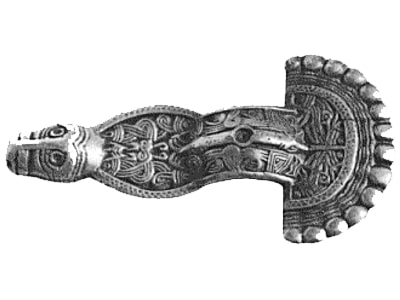
The Nordendorf Fibulae from Nordendorf, Bavaria, Germany was found next to my parents horsepaddock where they have 2 Haflinger horses. It’s a pagan fibulae where it says written in Elder Futhark that “Wodan and Donar are sorcerers. Wodan refers to Wotan, the highest God of the Germanic Pantheon, his name is related to the German word “Wut”, and means “fury”. Donar is the norse Thor, related to the High German word “Donner”, meaning “Thunder”. 
But my reserach has shown me that pre-christian remnants, scattered here and there, can be found in many traditions and even tales. When it comes to written sources, we must remain very careful. The Roman Empire certainly was not neutral toward the Germanic or Celtic people (“Barbarians”, “Pagans”). The same is valid for Snorri Sturluson’s Edda and the Norwegian or Icelandic Rune Poems. They are of course valuable, but not always 100% reliable. The Roman Empire plays an essential role in the disappearing of Germanic and Celtic cultures. And both the Germanic and Celtic cultures were of an oral tradition. This is our dilemma. 

Many believe the Celtic and Germanic people to be of two entirely different cultures with no relations whatsoever. This, however, is not true. They are both Indo-European in origin. The Celtic Culture developed in the late Bronze Age and was known as “The Urnfield culture” along the Upper Danube in Central Europe sometime around 1300 BC. The “Urnfield” people spoke Proto-Celtic and during the 8th Century BC, Bronze metals got replaced with Iron. This culture was then known as “The Hallstatt culture” which became the classic “Celtic culture”, the La Tene Culture which began in 450 BC in southern Germany, Switzerland and Austria.

Julius Caesar’s memoir Commentarii De Bello Gallico

They wish to inculcate this as one of their leading tenets, that souls do not become extinct, but pass after death from one body to another, and they think that men by this tenet are in a great degree excited to valour, the fear of death being disregarded.”

All the Gauls assert that they are descended from the god Dis, and say that this tradition has been handed down by the Druids.”

Proto-Germanic was first spoken in the area of what today would be Northern Germany or Denmark. By 500 BC, the Germanic  people lived along the Baltic shores, what today is Denmark and Southern Sweden. However, they also migrated southwards later sometime in the 2nd Century BC and during the 4th and 5th Century the great Völkerwanderung, migration of tribes, happened. There was substantial Celtic influence in the Proto-Germanic language which explains many Celtic loanwords during the Nordic Bronze Age.

Tacitus on the Germanic religion: 

“In the ancient songs, which are their only form of record and are a kind of chronicle, they celebrate Tuisto, an earth-born God. To him they attribute a son, Mannus”

Among the Gods Mercury  (Odin/Woden) is the one they principally worship.  Hercules (Donar) and Mars (Tyr/Tiu) they appease by animal offerings of the permitted kind. Part of the Suebi sacrifice to Isis as well. I have little idea what the origin or explanation of this foreign cult is, except the Goddess’ emblem, which resembles a light warship, indicates that the cult came in from abroad . (The Suebi were said to honour the Germanic Goddess Nerthus whom Tactius refers to as “Terra Mater” – meaning “Mother Earth”). In general, they judge it not to be in keeping with the majesty of heavenly beings to confine them within walls or to portray them in any human likeness. They consecrate woods and groves and they apply the names of the Gods to that mysterious presence which they see only with the eye of devotion.”

Nevertheless, the marriage code is strict and there is no aspect of their morality that deserves higher praise. They are almost the only barbarians who are content with a single wife, except for a very few, who are not motivated by sexual appetite – it is, rather, that they are courted with numerous offers of marriage on account of their noble rank…”

 “They are distinguished by a common worship of Nerthus, that is, Mother Earth, and believe that she intervenes in human affairs and rides through their peoples. There is a sacred grove on an island in the Ocean, in which there is a consecrated chariot, draped with a cloth, which the priest alone may touch. He perceives the presence of the Goddess in the innermost shrine and with great reverence escorts her in her chariot, which is drawn by female cattle. There are days of rejoicing then and the countryside celebrates the festival, wherever she deigns to visit and to accept hospitality.”

More information on the Suevi, Allemanni and Bajuvarii in an area we call Bavaria and Swabia today:

The word “Swabian” is called “Schwaben” in German and referred to the Germanic people of the Suebi/Suevi tribe. The word derives from Proto Germanic swēbaz and means as much as “our own people”. Julius Caesar said that the Suebi were people from the Elbe and Oder Rivers and suggested their primal settlement in what today would be the German state of Hesse. However, other tribes such as Goths and Vandals settled east of the Elbe, so it might be that Tacitus and Caesar used the word Suevi in order to describe a large group of Germanic tribes and not just one in particular. The Germanic Allemanni were referred to as Suebi at the end of the Roman Empire. And the Allemanic influence in Swabia can be found in traditions and the dialects themselves, the Allemanic German dialects. You will find Swabian dialects in Bavarian-Swabia, Switzerland, and the state of Baden-Wuerttemberg. According to Tacitus, the Suevi worshipped the God Zio which might be via comparative mythology the Proto-Germanic God Tiwaz, later known as Tyr. They understood themselves as people of Zio and also worshipped Mercury, in Tacitus words. Mercury is Wotan. It is important to understand that both “Germania” and “Germanic tribes” are Roman terms in order to identify them and their culture. “Germani” might also derive from the Celtic language, particularly Gaulish, as a reference to “neighborly” people.
 
The term “Bavarian” stems from either “Bajuvarii”, a tribe that most likely established itself after the Fall of the Roman Empire sometime inbetween the 5th and 6th Century or the Celtic Boii. The Bavarian language is attested as early as the 8th Century and belongs such as the Swabian language to the Upper German dialects. Bajuvarii or the celtic Boii might have played a role in the term “Bavarian”. The state is called “Bayern” and a Bavarian native is a “Bayer”, the Bavarian language is “Boarisch” or “Bairisch”. The Danube was a border to the Roman Empire and the Bavarians might have been a Germanic tribe that went further and further south of the Danube inbetween the 4th and the 5th Century, or it was a mixture of Allemanic, Celtic and Roman people that created the tribe of the “Bajuvarii”. There is 3 distinct Bavarian dialects: Upper Palatinian, Danube-Bavarian and Alpine Bavarian with many, many local and regional dialects reaching deep into Austria.
 
Did it derive from Bajuvarii, Boiohaemum, from Boii…? The Boii people left before the Allemanic tribes went further down south of the Danube. Until this day there is still reserach going on. 
 
Not everything can be verified, traced back and sometimes, speculation along with studying old texts and the symbolism of certain traditions will sneak in. It’s important to just be honest here. There are indeed traditions still being practiced today that might be of pagan allemanic origin but just how much of it is pagan, how much was added by Christianity, and to what culture it once belonged to (Suebi, Celtic, Roman) is not always so easy to find out. We can try to read up on the various migrations during the Migration Period, we can study the Roman sources, medieval texts such as the Wessobrunn Prayer, the Merseburger Zaubersprueche and the Old English Poem “Widsith” as well as the “9 herbs charm” to come a little bit closer to understanding the cultures of these tribes. Some remnants are still there in rural traditions and their symbolism, in customs and also folklore. As an example I’d like to point out the traditions “Funkenfeuer” and “Klausentreiben”.

 Click here to read Tacitus Germania

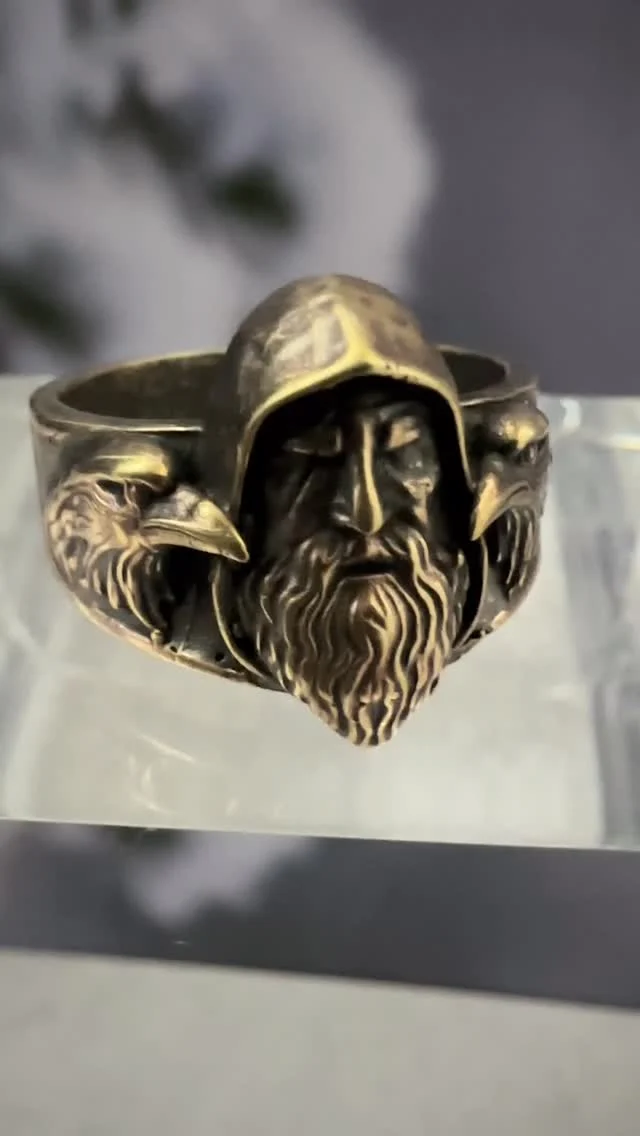
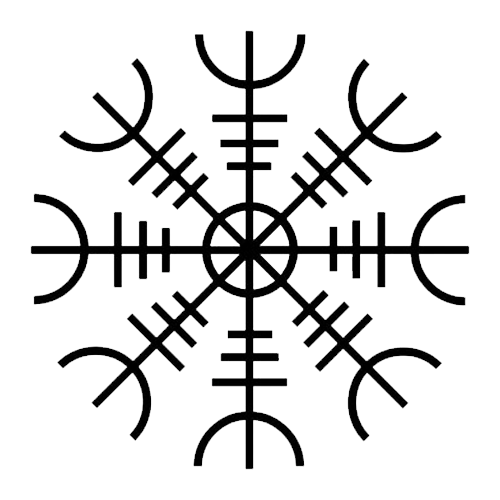
helm of awe
helm of awe
Free Shipping $35+
Free shipping within the USA on all orders $35+
Online Secure Payment
Safe and secure payment processing
Online Support 24/7
Hi! I'm your maker, Jackie. I'm here if you need me.
Money-Back Guarantee
Full refund and easy returns if you are not satisfied with your order.
1K Posts
25K Followers

Pagan, Viking, Witchy Jewelry

ᛉ 100% handcrafted artisan pagan , viking, witchcraft and shamanic inspired jewelry.
ᛉ Runes, Symbolism & European Folklore
Get 20% off👇🏻

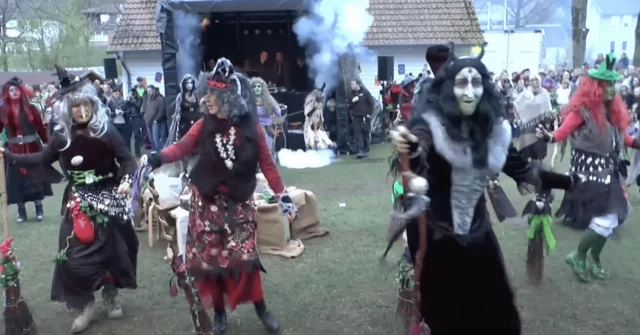
Walpurgisnacht has changed so much over the centuries.

What began as a night of caution, protection, and warding off spirits has become a celebration of spring, folklore, and community.

I love seeing how these old traditions still live on today, especially in the Harz Mountains with the costumes, parades, and eerie old magic still lingering in the air.

Have a beautiful Walpurgisnacht + Beltane. 🔥🌿✨

The first image is a screenshot from a YouTube video…please check my stories for the link!
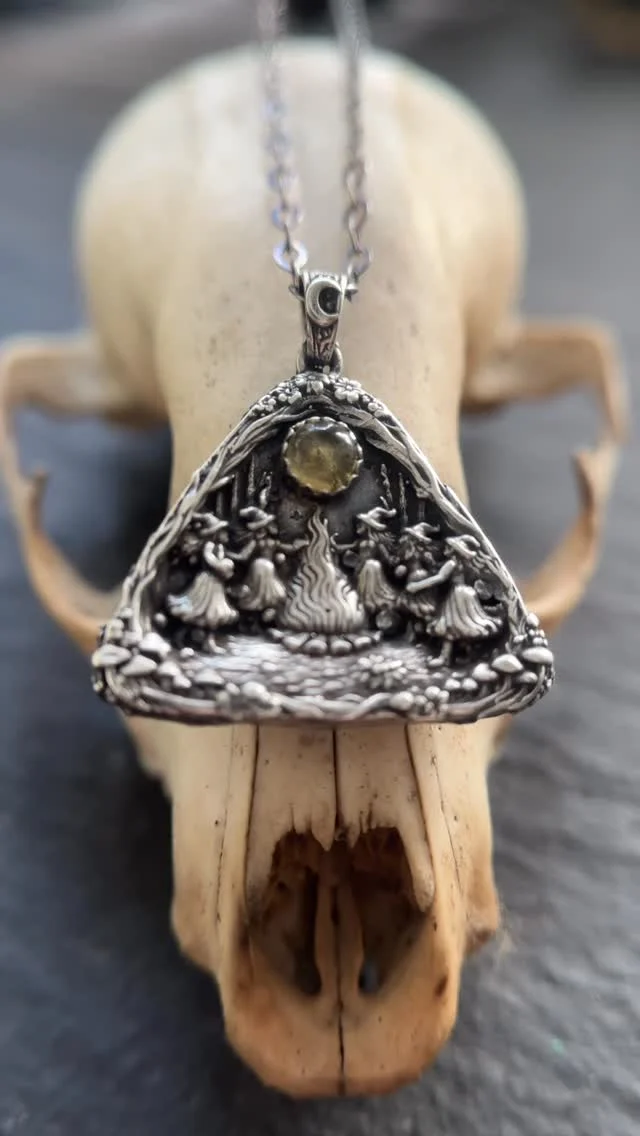
I’m loving how much you all love my new Walpurgisnacht pendant ❤️
Five witches dance around a blazing bonfire beneath a citrine cabochon in this Walpurgisnacht pendant.

The back features a brass crescent moon, echoing the night sky of the witches’ gathering.

Walpurgisnacht, celebrated on the night of April 30, is the legendary “Night of the Witches” in German folklore, when witches were said to gather on mountaintops and dance around sacred fires to welcome the arrival of spring.
Happy washing day 🙃

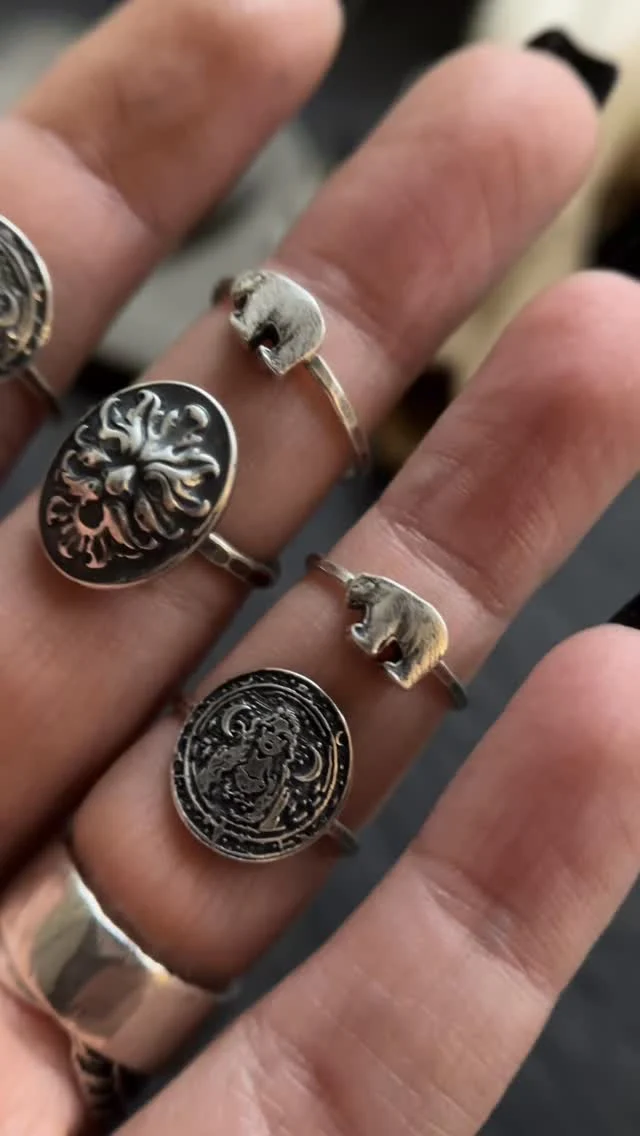
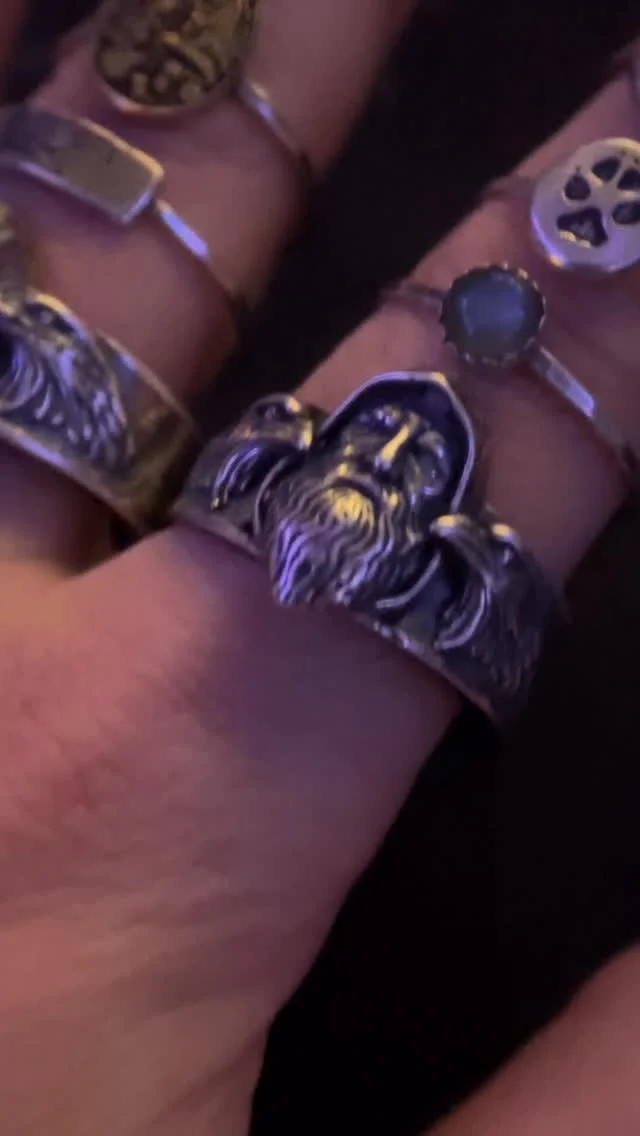
A few rings I’ve worked on the last couple days…
Freya’s cats rule and dogs drool?
Or was that the other way around? 🙃
Garm barely shows up in the old Norse stories.
Still… he leaves a mark.

A chained hound at the edge of Hel.
Watching the boundary.

His howl is one of the signs the last battle is beginning.

#norsemythology #garm #helheim #ragnarok #wolfenergy paganstyle witchyjewelry handmadejewelry
Leave a comment with your result ❤️
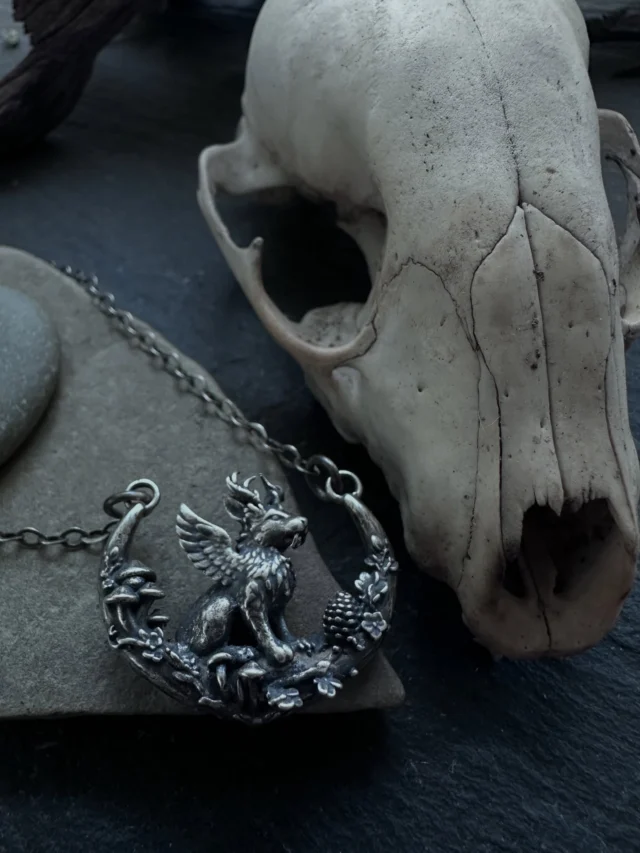
Bavarian Folklore says that you might just cross paths with a Wolpertinger in the alpine forest.

The forest animal of all animals – a representation of all, or Urviech in German.The Wolpertinger is a rabbit with fangs, wings and antlers.

Come to my neck of the woods and you might just catch one! ❤️
Buy Now
🐇🌲✨
He finally stepped out of the forest…

The Wolpertinger Pendant has arrived. 

Inspired by old Bavarian tales of the antlered hare who moves silently through shadow and moss, this piece carries a little wild magic wherever it goes. 

Strange, story-filled, and made for those who feel at home in myth and woodland twilight.
Buy Now
I really like the star ring in brass, suits it so well ☺️

I showed the casting process in my stories yesterday, if you were interested in seeing.

Shown here are a few other items I’m preparing to pack up for shipping this morning.
Buy Now
It’s getting to be about that time again 💜
Buy Now
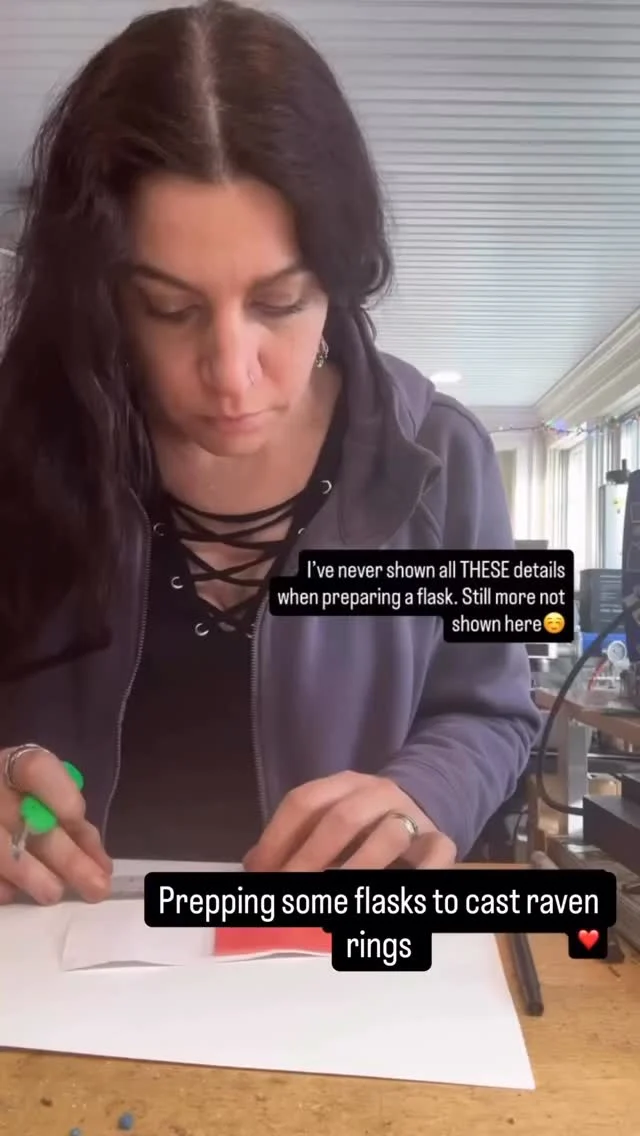
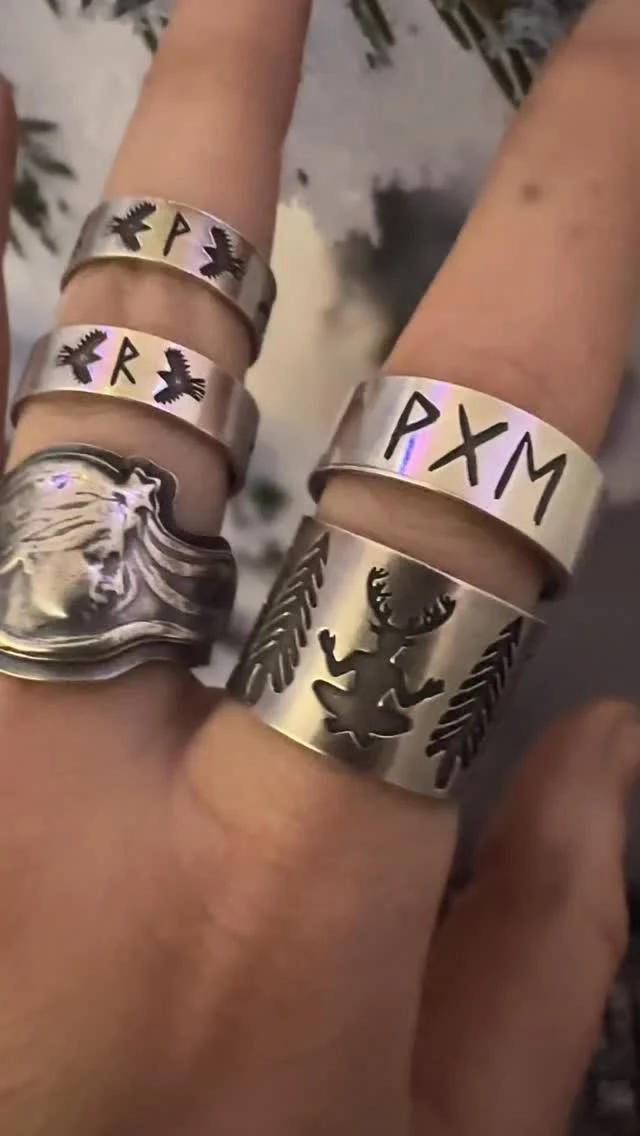
Make some raven rings with me ❤️
Buy Now
A couple pendants shipping this morning ❤️

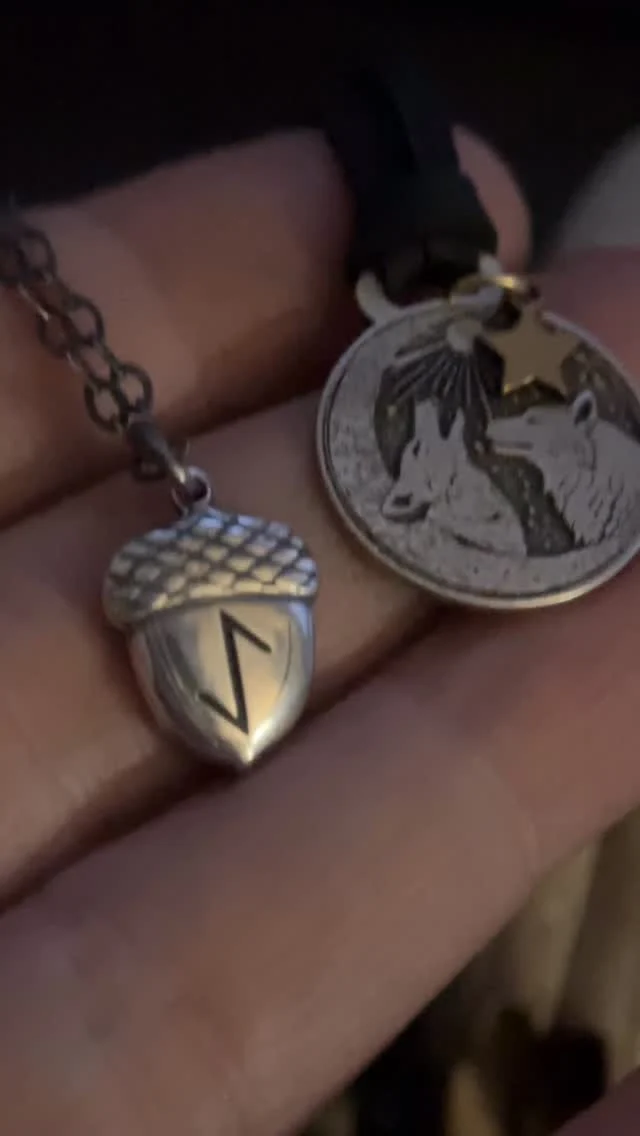
Sköll & Hati + Acorn with Eihwaz Rune
Buy Now
I don’t often sell them, but love it when I do!

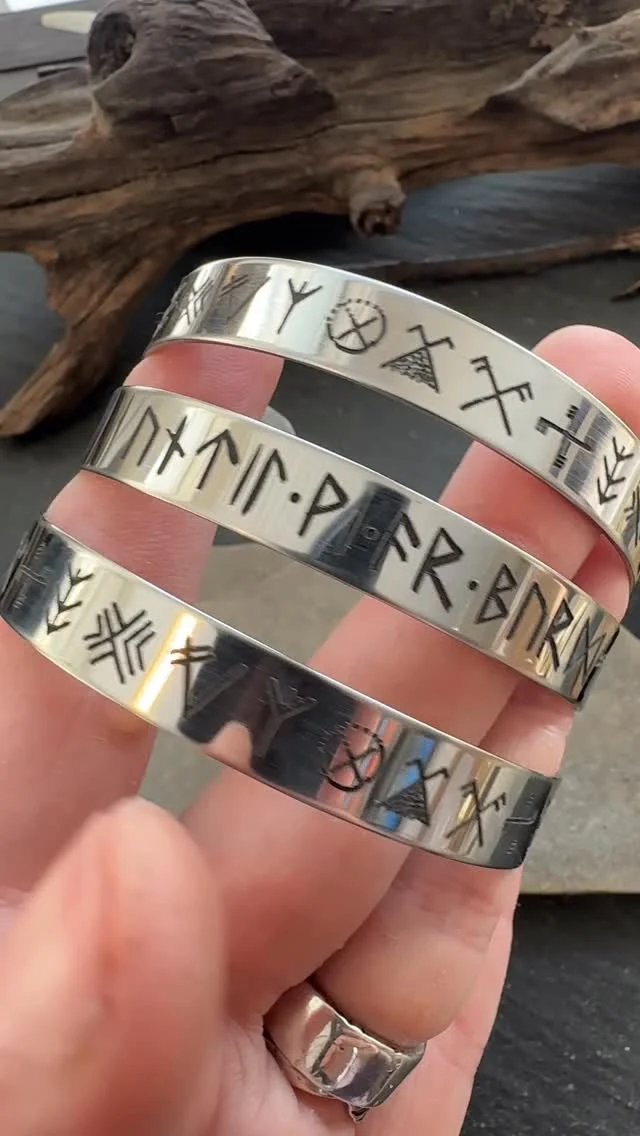
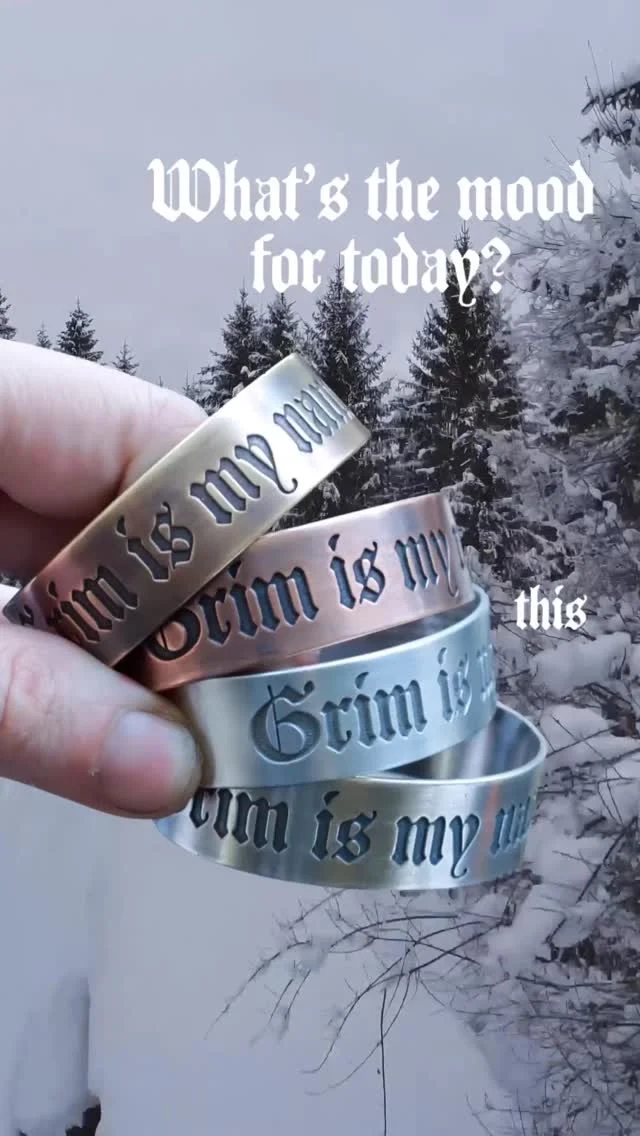
Vinca symbol bracelets ❤️

And a custom rune inscription bracelet.
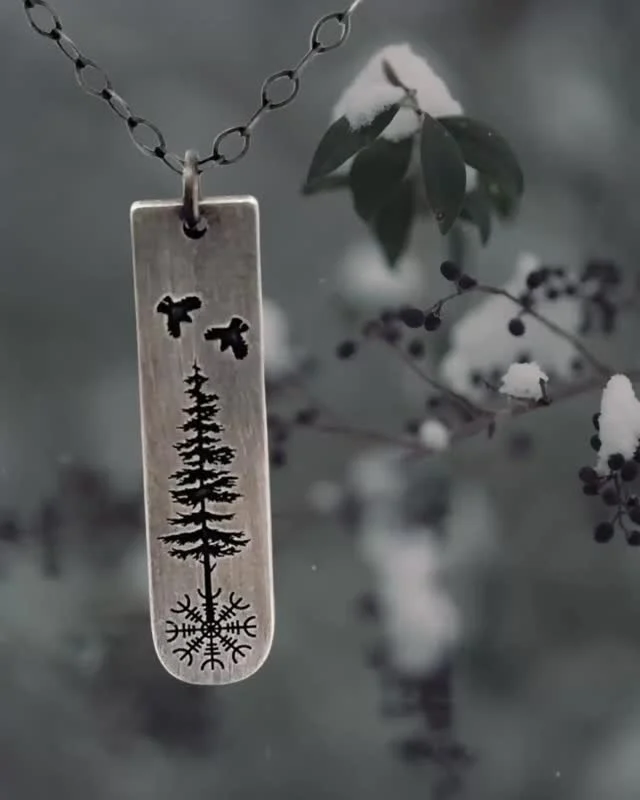
Rooted in strength + guarded by ravens
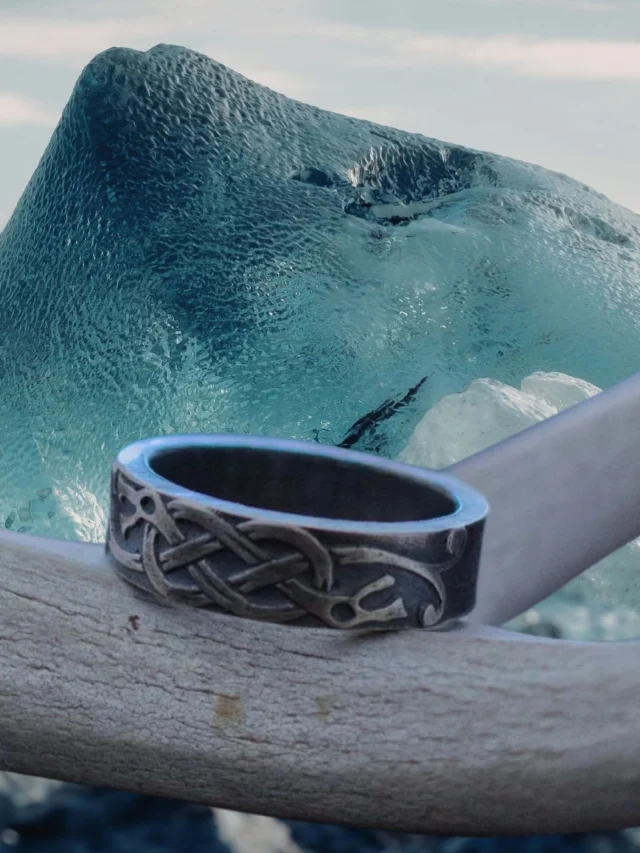
The serpent waits 🖤

(Handcrafted Jörmungandr ring made to order in my shop)
Stay warm, everyone ❤️
😑😑😑🤮
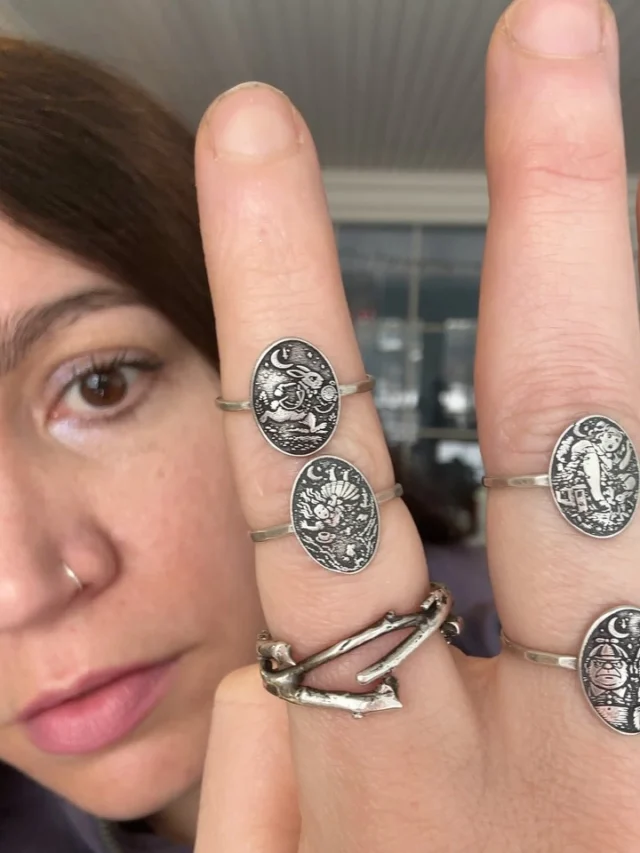
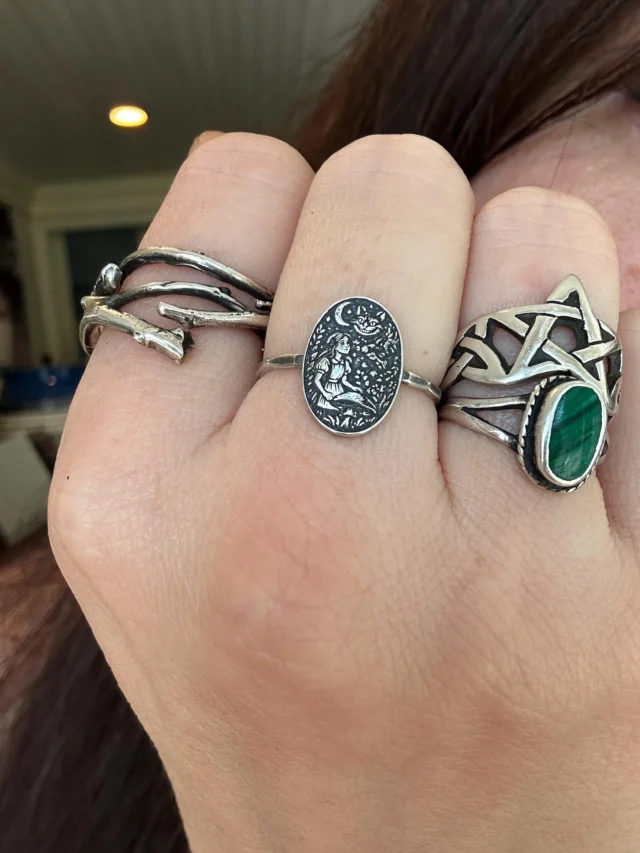
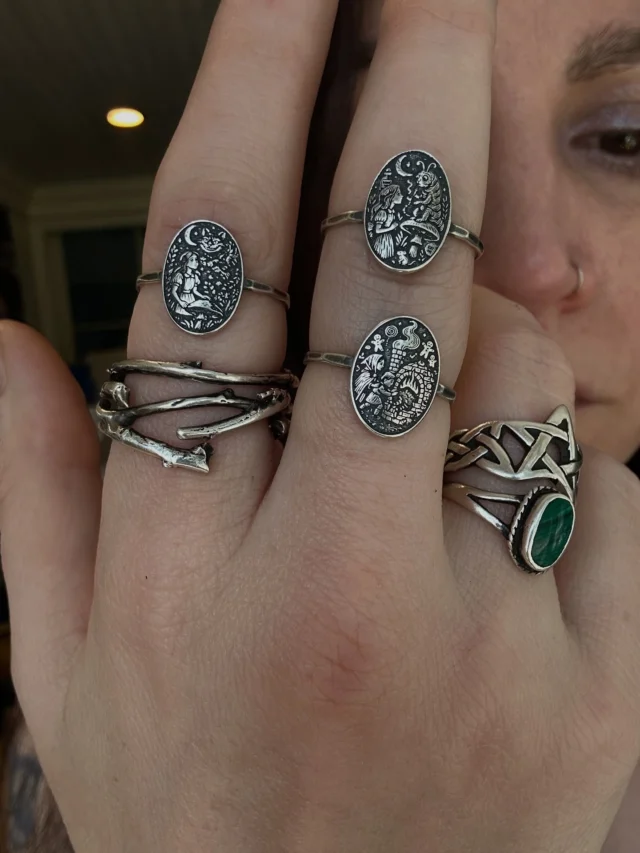
I thought I had closed the book on the Alice in Wonderland rings…

But you kept asking for more, so here they are.

Which one is your favorite??
Can this be over now, please?
In case you forgot 💜
5,445 days in, and I’m still doing the same thing.

Taking old stories and trying to give them weight.

Some days it works.
Some days it fights back.
Either way, this is the work. 🖤
Buy Now
Something I’ve been thinking about lately.

If there’s one thing I would’ve done differently early on, it’s this:

I would have invested in casting equipment much sooner.

When I started out in 2011, I spent years learning as many jewelry techniques as possible. 

And I don’t regret that, I loved it. 

It taught me patience, problem-solving, and respect for the process.

But casting was how I first learned jewelry back in a high school metals class in 1999/2000. 

If I’d trusted that foundation earlier and leaned into it, it would have saved me a lot of years of circling, experimenting, and hitting the same limits over and over.

The journey was wrong, just longer than it needed to be.

Every piece I make now carries all of that with it. 

The learning, the detours, the slow build.

Just something I wanted to share, artist to artist. 🖤
This year, we’re not buying things just to keep up.

If you need the reminder:

✔️ You don’t need what’s trending
✔️ You don’t need to explain your symbols
✔️ What you choose to wear can mean something

Which one of these are you carrying into 2026? 🖤
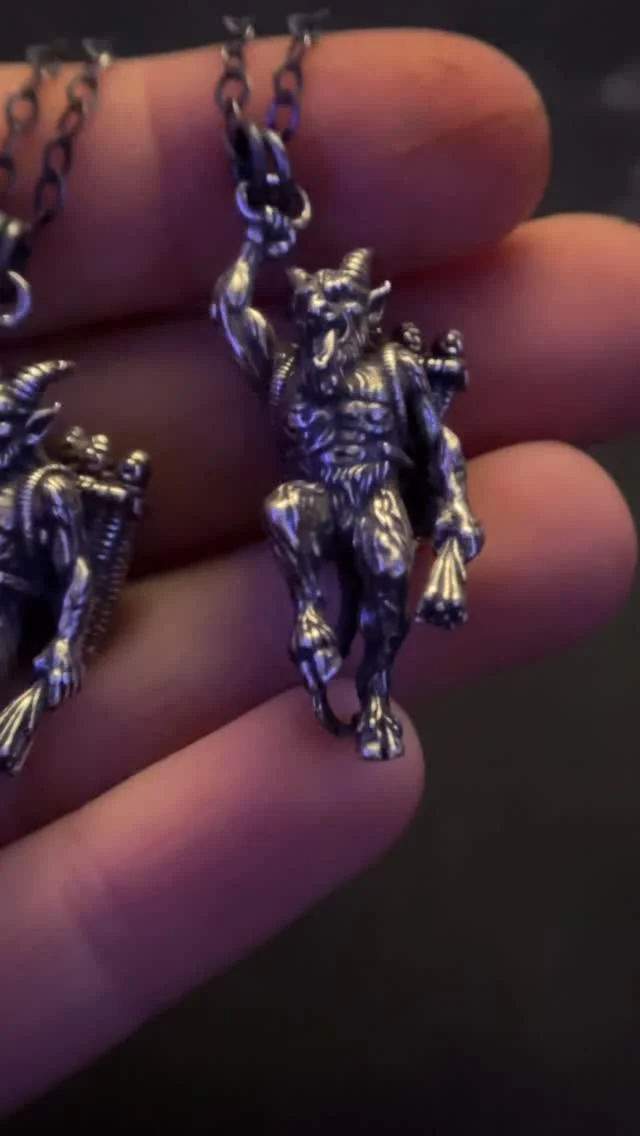
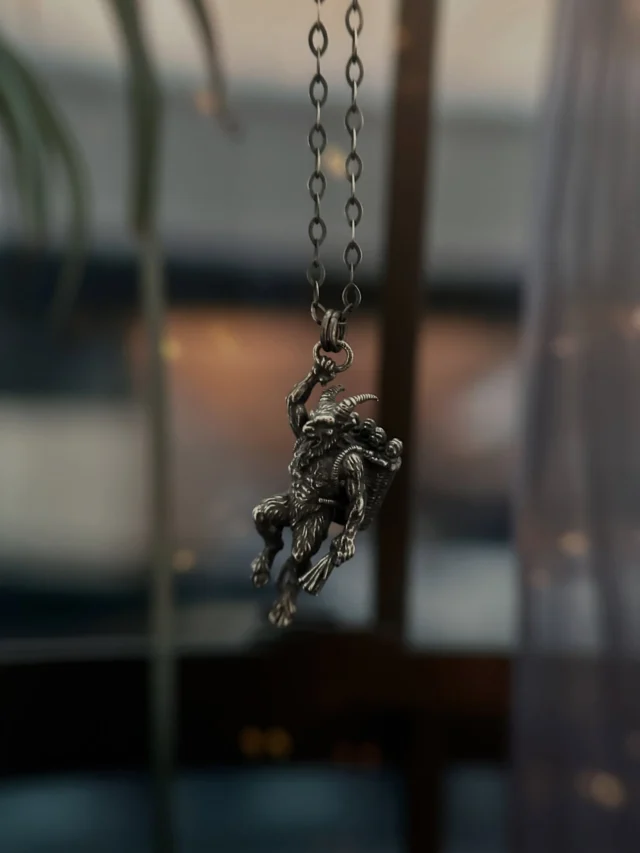
My husband is from Bavaria (southern Germany) and I originally made this Krampus pendant for him.

The Krampusnacht traditions belong to his culture, and it was so important to me to really bring this pendant alive and make it as accurate as possible.

When I added him to my shop, I couldn’t believe how many of you loved him as much as I do!

He’s super-small lost wax cast in my home studio (only 3 at a time).
Some of the items I’m shipping out today ❤️

Please forgive my dirty nails 😂
I just got done polishing and it was either film now or not at all.
A few items shipping out today 🥰
This mornings rings shipping out ❤️
A few of the rjngs I’m shipping out this morning ❤️

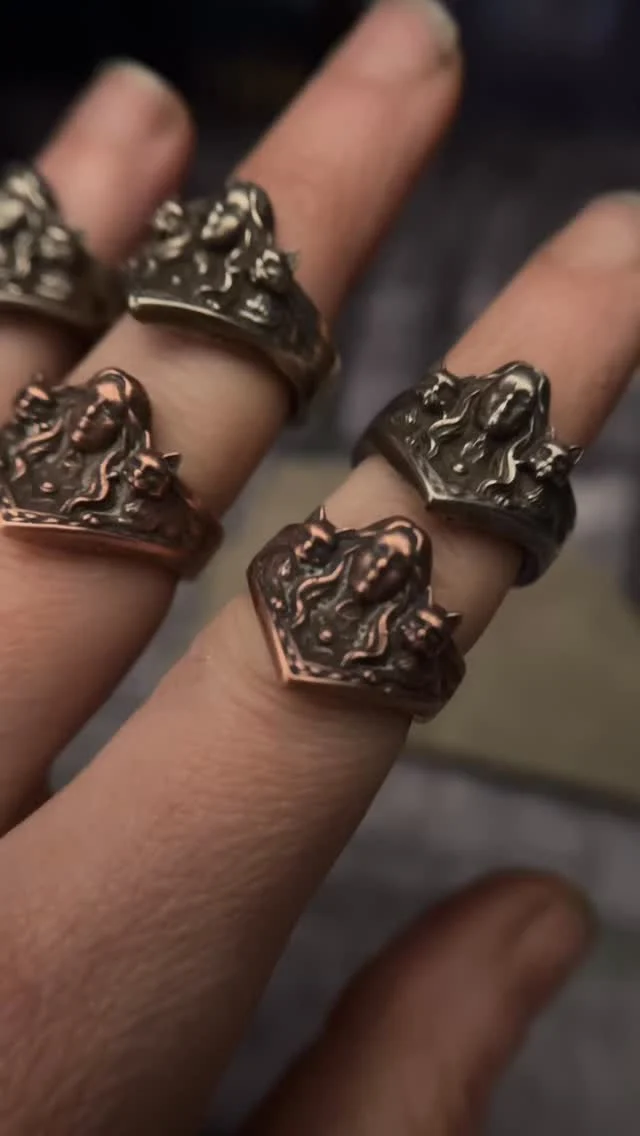
How do you like the Freya ring in copper?
Krampus is coming 🫶🏻
Getting ready to pack up these pretties and ship to their owners ❤️
Freya, cats and pentacles. Doesn’t get any better ❤️
You all got me going crazy making all these fairytale + storybook rings.

But I’ll keep them coming ❤️
Just launched these pretties ❤️

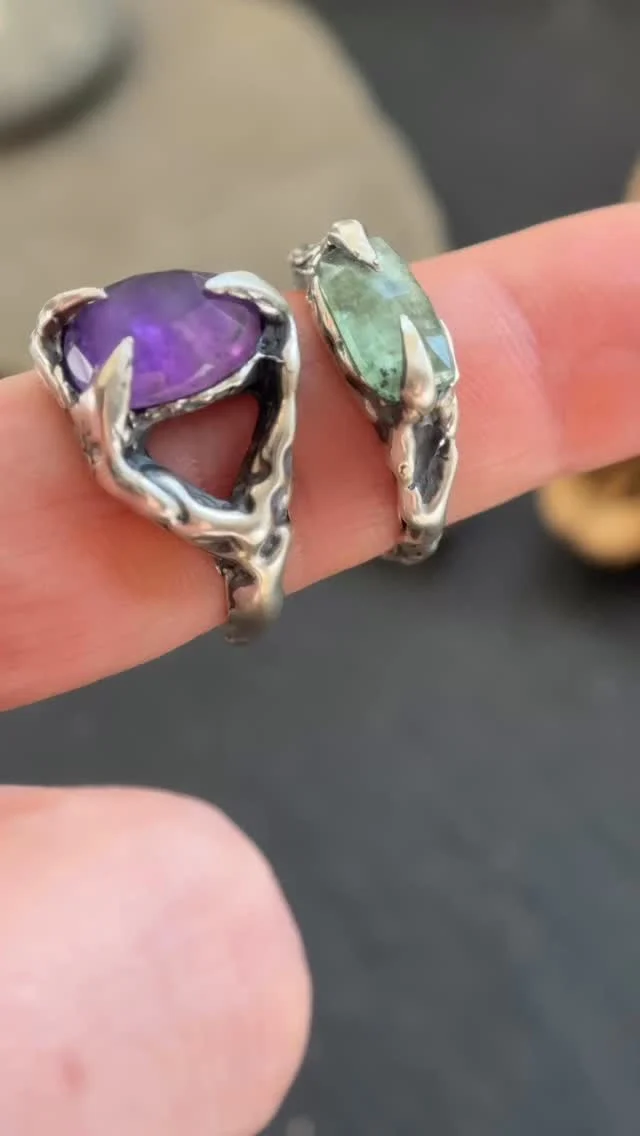
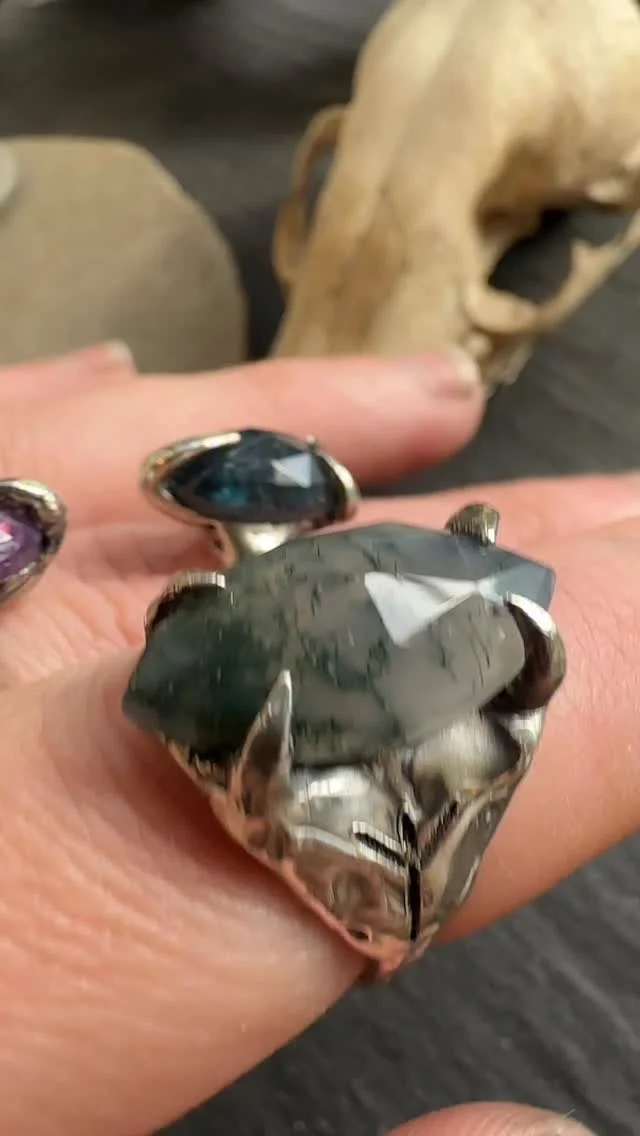
Size 9 amethyst ring + size 7.25 green kyanite
What would you trade to learn Baba Yaga’s secrets?
It *finally* looks, feels and smells like October!

And here are some items I’m packing up to ship to their new owners this morning 🎃
This mornings pretties getting ready to ship :)
Getting ready to pack up these pretties and ship to their owners ❤️
You bet I’m hopping on this trend 😂

Thank you @shes_sinister for the prompt!
While I welcome the seasonal darkness…it sure is going to make my morning quick videos before I pack up orders very difficult.

So, cheers to what’s left of daylight ❤️
Finally finished the rings I’ve been working on in my stories ❤️

I think I want to keep the amethyst one 🥰
Was going to post this update to my stories but it’s too long.
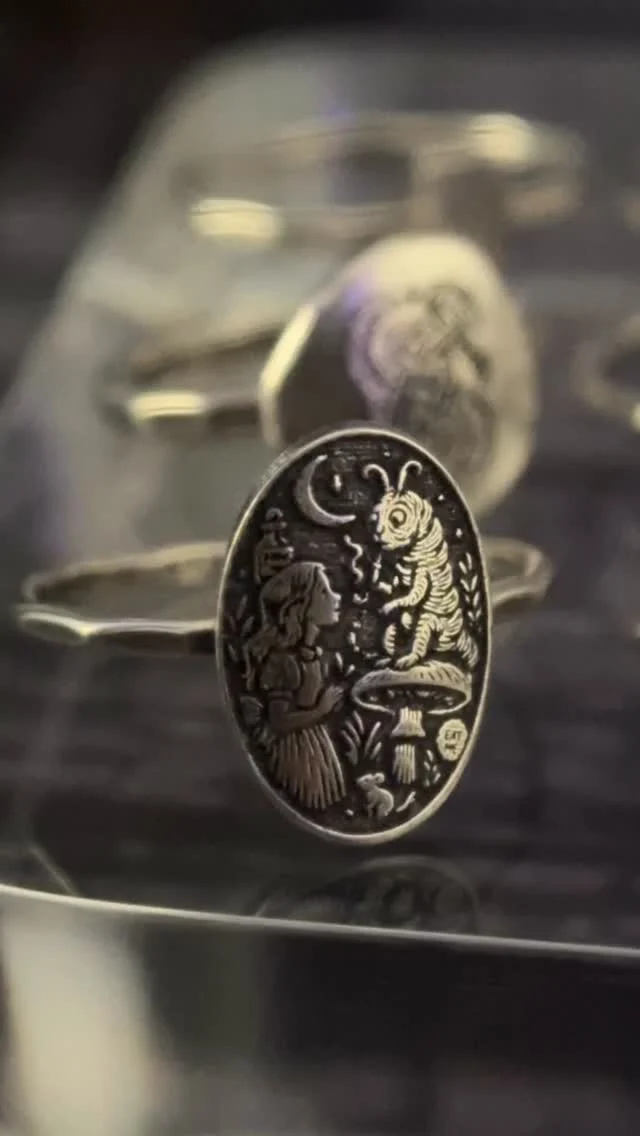
“How do you know I’m mad?” said Alice.

“You must be,” said the Cat, “or you wouldn’t have come here.”
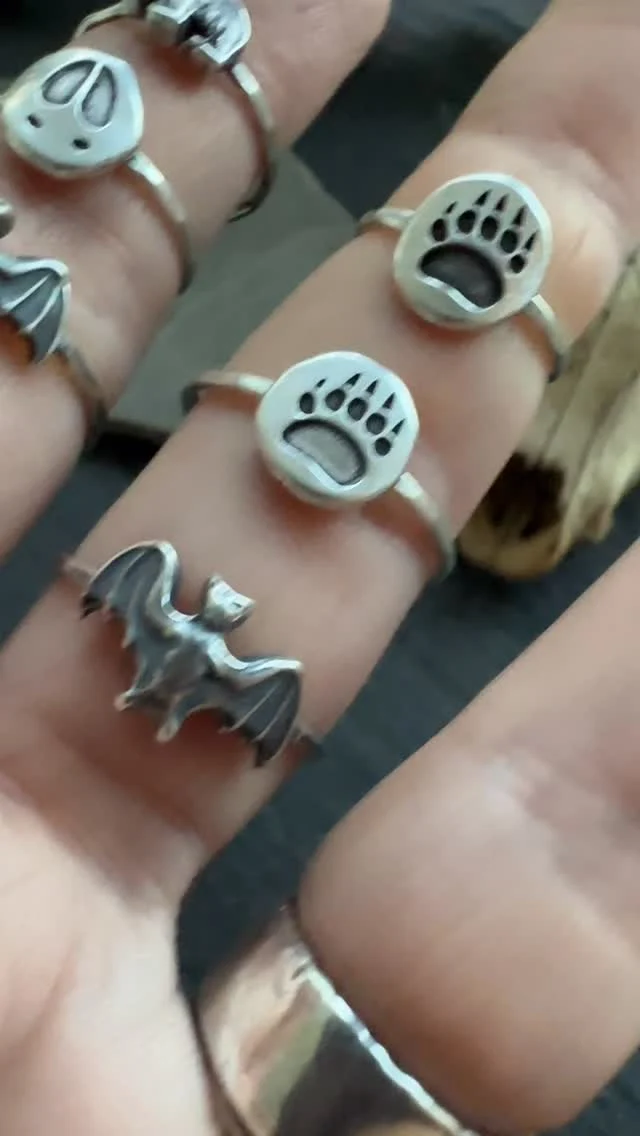
Some of this mornings orders getting ready to ship. Those little bats are so cute ❤️
Here is the finished ring I was working on in my stories yesterday, along with some other treasures shipping out this morning ❤️
A few of today’s orders shipping out this morning ❤️
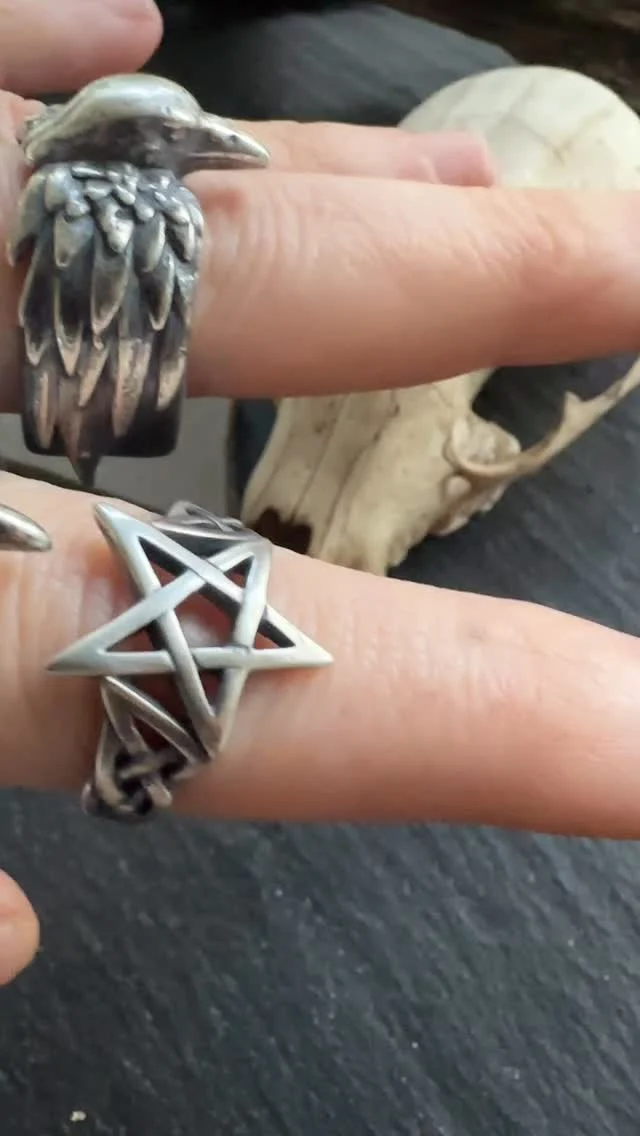
The two silver raven rings I was working on in my stories yesterday.

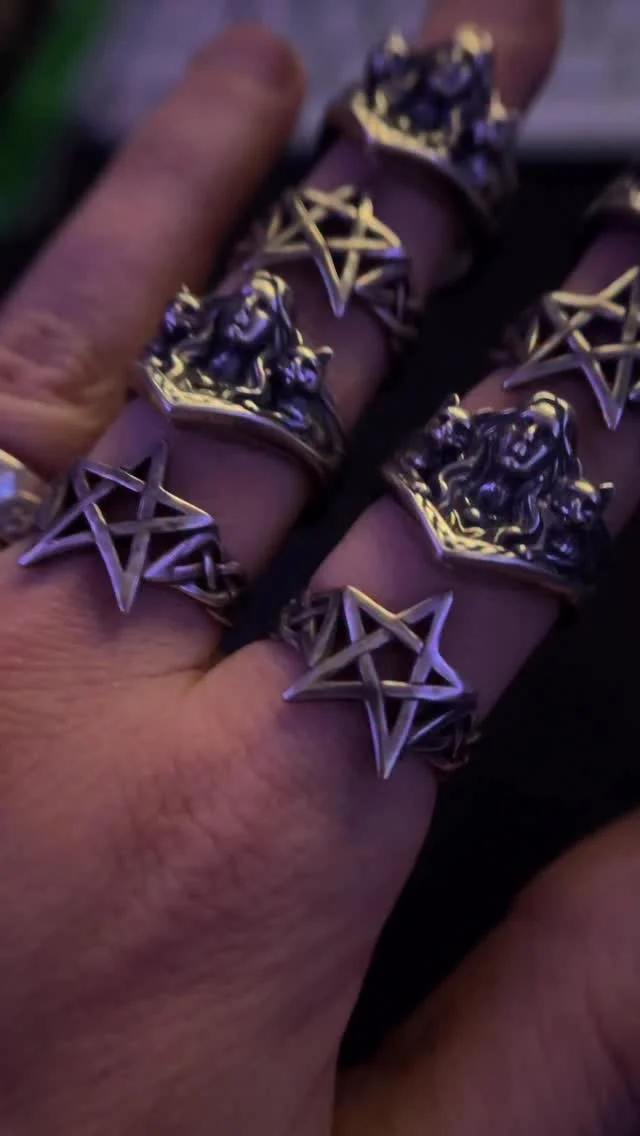
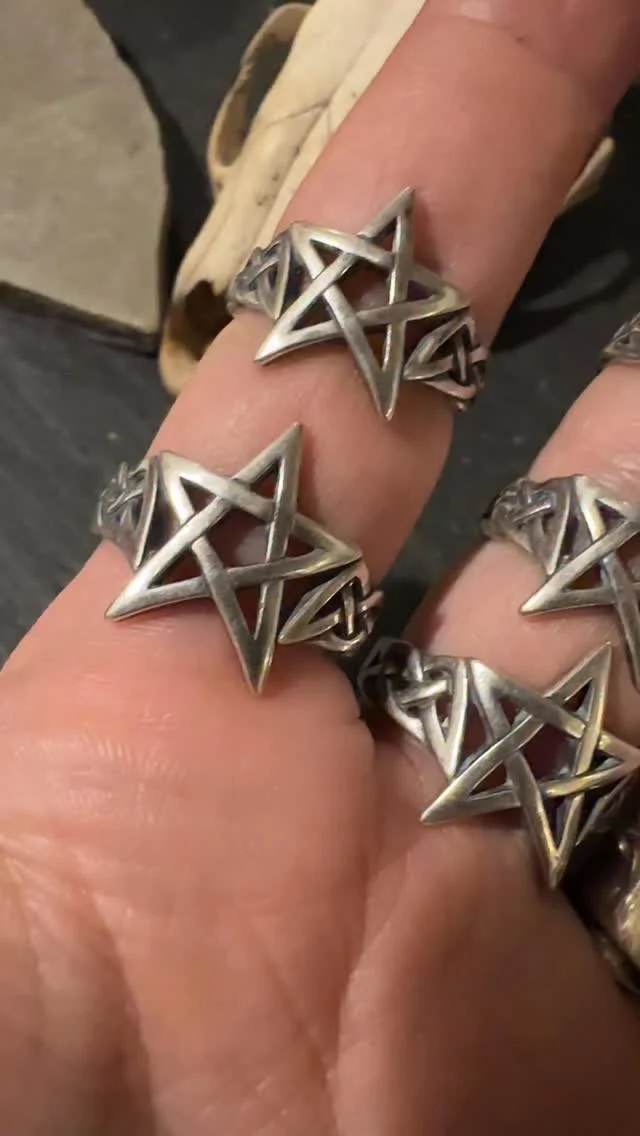
…as well as the star / pentacle rings that I’ve just added to my shop ✨
Eeeek! I’m so happy to add these to my shop ❤️

I’ve gotten so many requests for other fairy tales since I made the red riding hood ring, so here are some more.

I do hope you love them 🥰

If you’d like to have any, check my stories today.
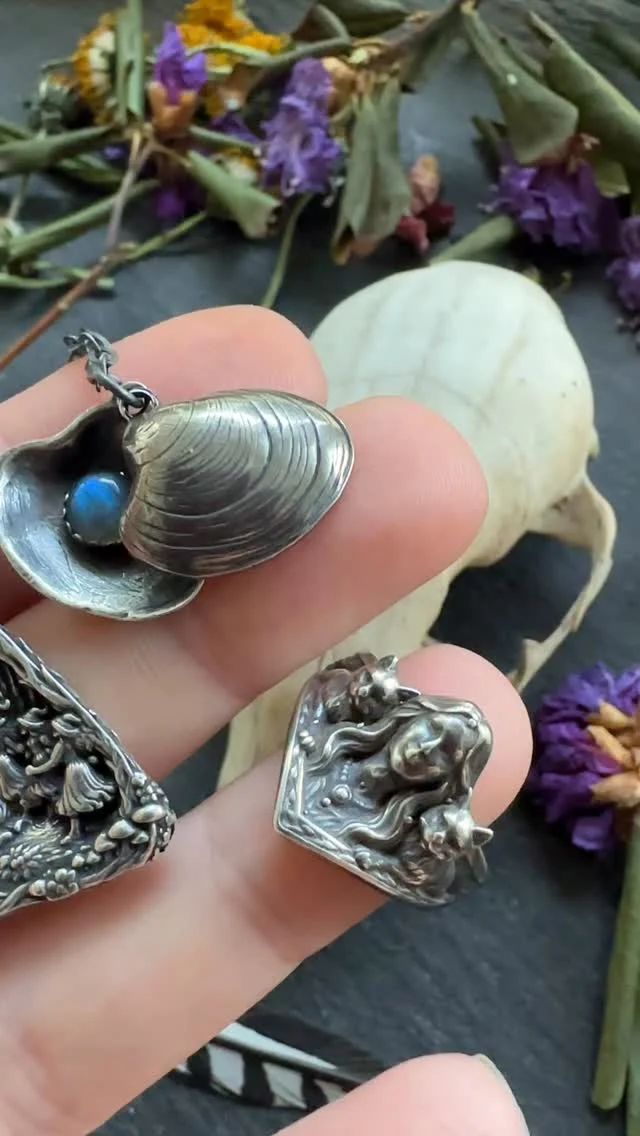
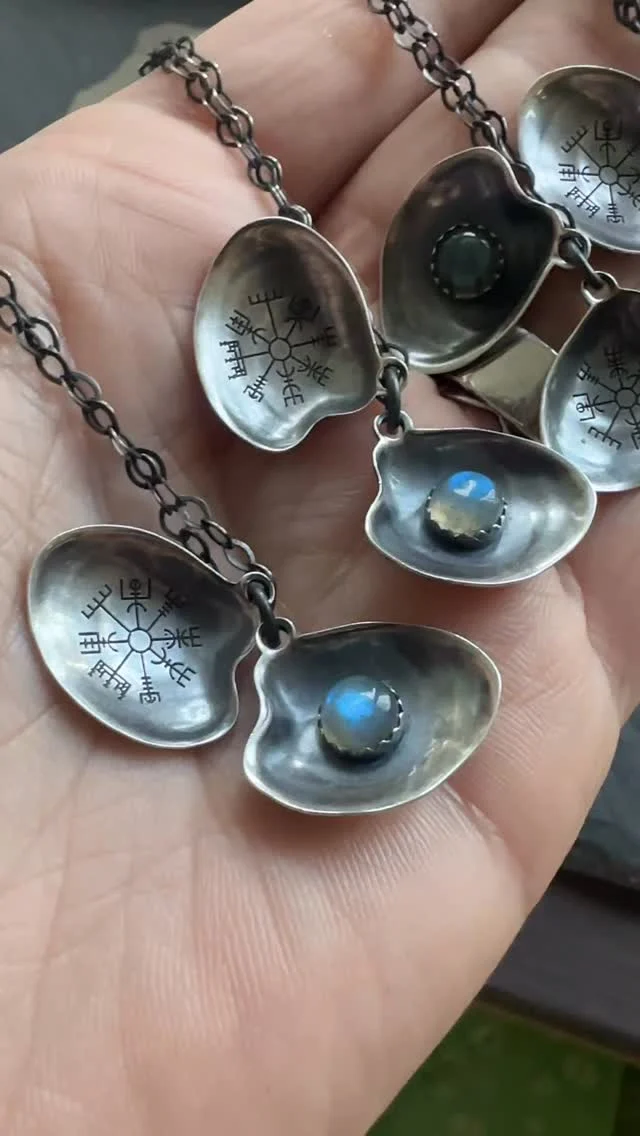
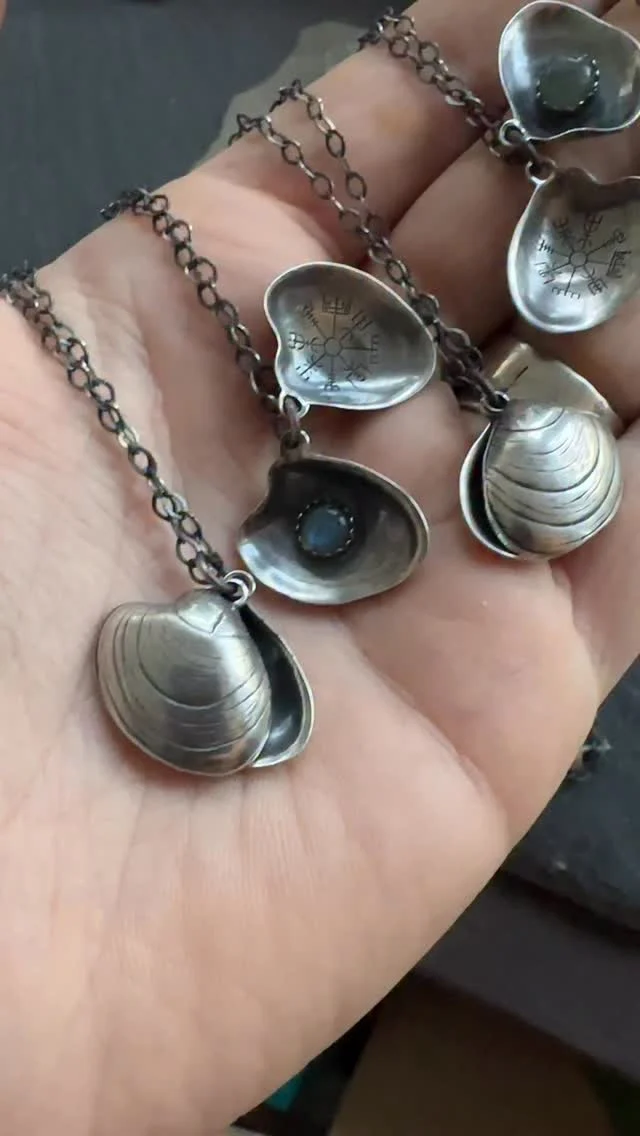
I had 6 clamshells ready to ship this morning but I dropped and lost my last labradorite cabochon 🙄😫

Woe is me. 

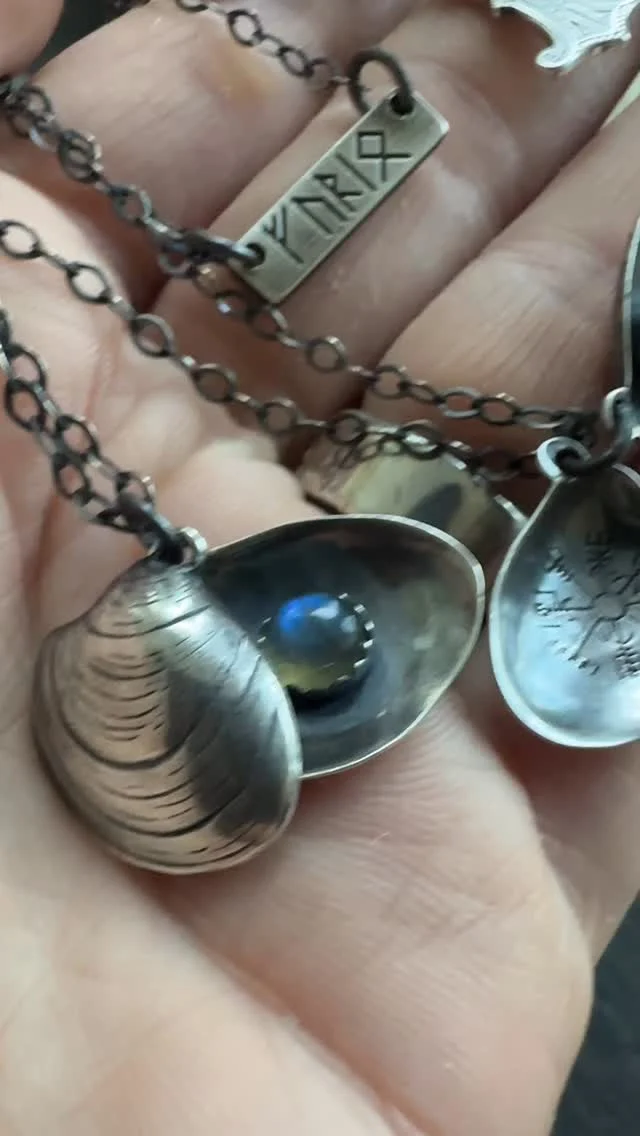
But damn I love these little clamshell labradorite + Vegvisir lockets…
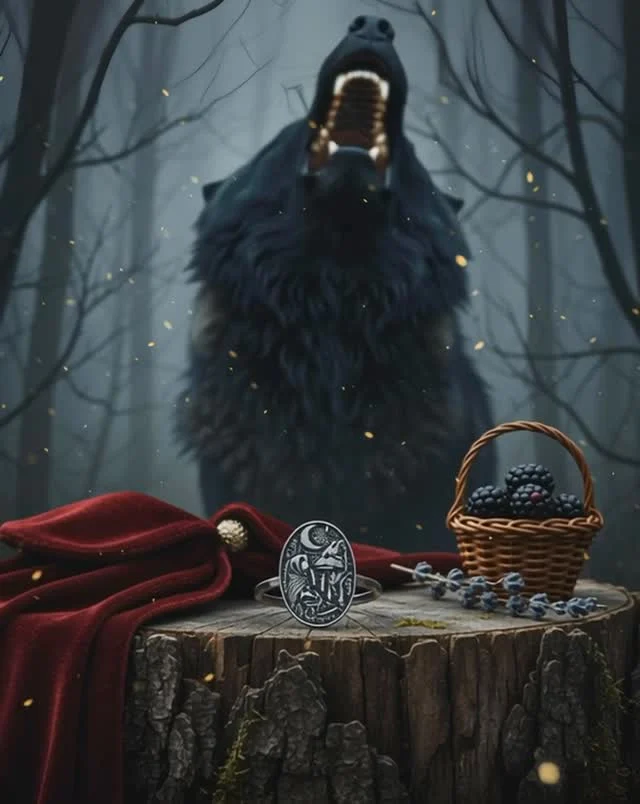
Not the story you were told.

The girl didn’t run.
The wolf didn’t win.
This is the version they tried to forget.

🖤 Now in the shop: the Red Riding Hood witchy ring.