No products in the cart.
March 11, 2026 8:03 pm

Free USA shipping on orders $35+
March 11, 2026 8:03 pm
Pixy folklore forms one of the most intriguing strands of English fairy belief.
Across the British Isles, stories about fairies and pixies have long shaped ideas about landscape, morality, and the unseen human world.
This article explores what pixies are, where they came from, and how pixie mythology developed from regional tradition into a recognizable type of fairy within wider fairy mythology.
Readers interested in folklore, mythical creature traditions, or the cultural history of fairies and pixies will find a grounded scholarly overview here.
In English folklore, the pixy represents a small fairy or elf-like sprite inhabiting rural landscapes, especially in the west country of England.
Pixies are generally portrayed as diminutive winged creatures, though historical sources show their appearance varied considerably.
Early accounts suggest that pixies were described as wearing rag garments or dressed in green, and sometimes possessing pointed ears or magical powers (Manning, 2016, p. 82).
Pixie mythology also reflects the integration of local supernatural beings into broader fairy mythology.
Scholars note that pixies were later classified as a type of fairy within structured systems of English folklore, where they could be compared with light elf traditions in northern Europe (Briggs, 1957, p. 286).
This classification highlights their fluid identity between mythical creature, nature spirit, and sprite.
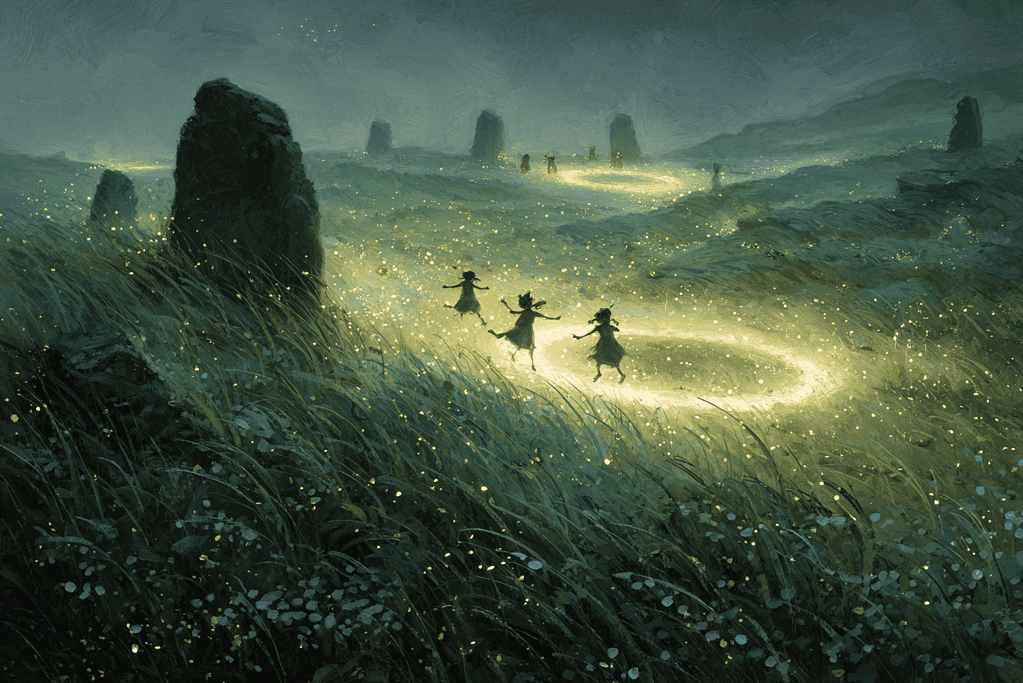
Debate about the origin of the word pixie and the origins of pixies themselves has been ongoing since the Romantic period.
Some scholars argued that pixies were survivals of ancient Celtic nature spirits or remnants of older religious beliefs in the British Isles (Silver, 1986, p. 149).
Others proposed that pixies were ancestral ghosts or souls of the dead, a belief preserved in rural traditions where pixies are said to represent unbaptized children (Silver, 1986, p. 144; Briggs, 1957, p. 277).
Literary figures such as Anna Eliza Bray helped popularize pixies in the nineteenth century, drawing attention to regional folklore traditions in Devonshire.
Her work established pixies as recognizable characters in fairy lore, shaping the depictions of pixies for a national audience (Manning, 2016, p. 81–82).
This Victorian-era interest in folklore encouraged systematic collection and interpretation of such traditions.
Belief in pixies was particularly strong in Devon and Cornwall, where the piskie or pisky appeared in numerous tales associated with moor landscapes and river valleys such as the Tamar and the Tavy.
Folklorists noted that pixies were often linked with fairy rings and other enchanted spaces, reinforcing their connection to sites such as stone circles or dolmens (Silver, 1986, p. 146–147).
Yet even by the late nineteenth century, scholars observed that pixy folklore remained insufficiently explored compared with other fairy traditions (Brushfield, 1889, p. 265).
This suggests that belief in pixies was regionally significant but less thoroughly documented than broader fairy lore.
Still, English folklore preserved strong local memories, including the pixie day tradition celebrated in the town of Ottery St.
Pixies were sometimes interpreted as a guardian presence in the landscape, especially near barrow mounds or prehistoric monuments.
Anthropological theories proposed that fairy beings might represent memories of ancient Celtic populations or hidden races inhabiting remote areas (Silver, 1986, p. 150–152).
In this framework, pixies functioned as both mythical creature and symbolic ancestor.
At the same time, pixies were often portrayed as part of a supernatural ecology that included bucca spirits, knockers, spriggans, and other regional fairies.
In Cornwall and Devon, such beings could appear malevolent or helpful depending on context, illustrating the ambivalent nature of pixies and fairies in the human world.
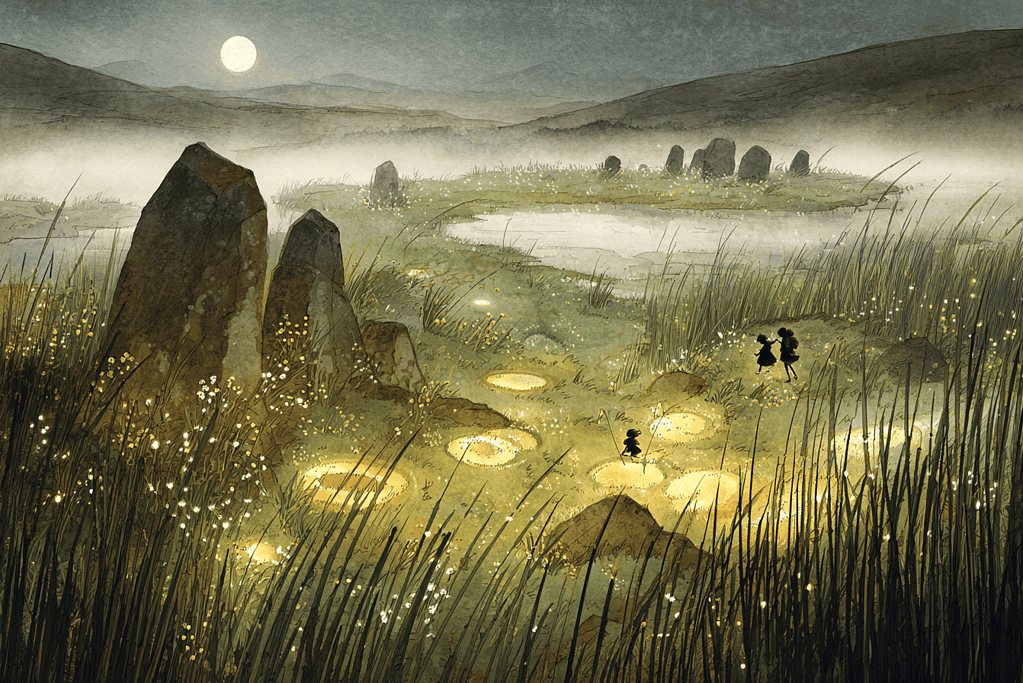
Stories frequently describe pixies as fond of dancing and fond of music, especially under moonlight. One common motif involved pixy-led travellers, where pixies would lead people astray across the moor.
These tales emphasized the mischievous character of the sprite, reinforcing moral lessons about caution and respect for supernatural forces (Manning, 2016, p. 90–92).
In addition to playful mischief, pixies also displayed complex social behaviour. Pixies love feasting and were sometimes given offerings described as food for the piskies.
Such customs suggest ritual interaction between humans and fairy beings, revealing how folklore shaped everyday practice.
During the Victorian-era fascination with fairies, artistic and literary depictions of pixies changed dramatically.
Advances in printing technology and illustrated books allowed winged fairies and pixies to become standardized visual symbols of fantasy culture (Manning, 2016, p. 82–83).
This period also saw pixies incorporated into children’s literature, softening earlier associations with fear or moral danger.
Scholars observed that the belief in pixies persisted alongside modern scientific thinking, with some theorists even proposing evolutionary explanations for fairy beings (Silver, 1986, p. 153).
Such interpretations demonstrate how fairy mythology adapted to changing intellectual climates.
Pixies were believed to live in caves, ruins, and natural features associated with ancient Celtic ritual spaces.
Sites such as stone circles and dolmens became focal points of fairy lore, reinforcing the connection between pixies and archaeological landscapes (Silver, 1986, p. 146–147).
In Devonshire traditions, haunted tors and remote hillsides were considered places where pixies were often depicted in storytelling (Manning, 2016, p. 91).
These sacred geographies shaped how communities understood their environment.
Folklore surrounding pixies in Cornwall and Devon contributed to the perception of wilderness as enchanted territory inhabited by elf-like beings.
Pixies also appear within broader networks of fairies and pixies traditions.
They share similarities with spriggans, pobel vean, and other small fairy figures across the British Isles. Scholars argue that such parallels support the idea of a shared Indo-European mythology linking elf and sprite traditions (Briggs, 1957, p. 286).
Comparative studies show that pixies and fairies could be categorized as trooping or solitary beings, domestic helpers, or trickster spirits.
This typology highlights how fairy mythology developed through overlapping regional narratives rather than a single origin.
Christian theology shaped interpretations of pixies over time.
Folk belief sometimes portrayed pixies as fallen angels or spirits excluded from heaven, reflecting attempts to reconcile fairy lore with religious doctrine (Silver, 1986, p. 147).
In Devon and Cornwall, stories linking pixies to the souls of unbaptised children reveal the integration of spiritual anxiety into local mythology.
These interpretations reinforced the moral dimension of fairy narratives.
Encounters with pixies were often understood as warnings or tests of human virtue, blending supernatural belief with ethical instruction.
Modern interest in pixies reflects their transformation from local spirits into enduring symbols of fantasy culture.
Victorian literary networks and folklore scholarship helped preserve these traditions, allowing pixies to become recognizable figures in popular imagination (Manning, 2016, p. 98–100).
Today, depictions of pixies continue to evolve, influenced by tourism, literature, and visual art.
At the same time, scholarly research reminds us that pixy folklore originated in specific communities and landscapes.
Understanding these roots enriches appreciation for fairy lore as part of cultural history rather than mere fantasy.
Briggs, K. M. (1957). The English fairies. Folklore, 68(1), 270–287.
Brushfield, T. N. (1889). Devonshire notes. The Folk-Lore Journal, 7(3), 265.
Manning, P. (2016). Pixies’ progress: How the pixie became part of the nineteenth-century fairy mythology. In M. D. Foster & J. A. Tolbert (Eds.), The folkloresque. University Press of Colorado.
Silver, C. (1986). On the origin of fairies: Victorians, Romantics, and folk belief. Browning Institute Studies, 14, 141–156.

ᛉ 100% handcrafted artisan pagan , viking, witchcraft and shamanic inspired jewelry.
ᛉ Runes, Symbolism & European Folklore
Get 20% off👇🏻
Leave a comment with your result ❤️
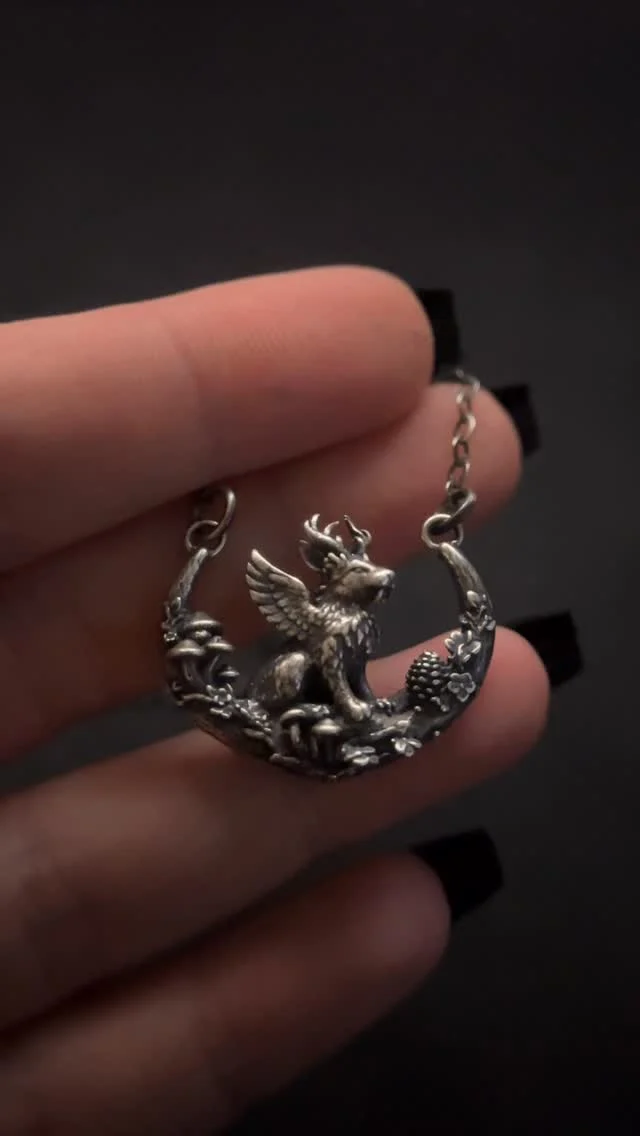
Bavarian Folklore says that you might just cross paths with a Wolpertinger in the alpine...

🐇🌲✨
He finally stepped out of the forest…
The Wolpertinger Pendant has arrived.
Inspired by...

I don’t often sell them, but love it when I do!
Vinca symbol bracelets ❤️...

Rooted in strength + guarded by ravens

The serpent waits 🖤
(Handcrafted Jörmungandr ring made to order in my shop)

Stay warm, everyone ❤️

😑😑😑🤮

I thought I had closed the book on the Alice in Wonderland rings…
But you...

Can this be over now, please?

In case you forgot 💜

Something I’ve been thinking about lately.
If there’s one thing I would’ve done differently early...

This year, we’re not buying things just to keep up.
If you need the reminder:...

My husband is from Bavaria (southern Germany) and I originally made this Krampus pendant for...

Some of the items I’m shipping out today ❤️
Please forgive my dirty nails 😂...

A few items shipping out today 🥰

This mornings rings shipping out ❤️

A few of the rjngs I’m shipping out this morning ❤️
How do you like...

Krampus is coming 🫶🏻

Getting ready to pack up these pretties and ship to their owners ❤️

Freya, cats and pentacles. Doesn’t get any better ❤️

You all got me going crazy making all these fairytale + storybook rings.
But I’ll...

Just launched these pretties ❤️
Size 9 amethyst ring + size 7.25 green kyanite

What would you trade to learn Baba Yaga’s secrets?

It *finally* looks, feels and smells like October!
And here are some items I’m packing...

This mornings pretties getting ready to ship :)

Getting ready to pack up these pretties and ship to their owners ❤️

You bet I’m hopping on this trend 😂
Thank you @shes_sinister for the prompt!

While I welcome the seasonal darkness…it sure is going to make my morning quick videos...

Finally finished the rings I’ve been working on in my stories ❤️
I think I...

Was going to post this update to my stories but it’s too long.

“How do you know I’m mad?” said Alice.
“You must be,” said the Cat, “or...

Some of this mornings orders getting ready to ship. Those little bats are so cute...

Here is the finished ring I was working on in my stories yesterday, along with...

A few of today’s orders shipping out this morning ❤️

The two silver raven rings I was working on in my stories yesterday.
…as well...

Eeeek! I’m so happy to add these to my shop ❤️
I’ve gotten so many...

I had 6 clamshells ready to ship this morning but I dropped and lost my...

Not the story you were told.
The girl didn’t run.
The wolf didn’t win.
This...

I love these raven rings so much 🖤
This mornings pretties shipping out.
All items...

Sleek + minimal Mjölnir ring ⚒️

Today’s orders getting ready to ship.
…And I finally got some time to work on...

That ant ring is so out of place 😂
Not that the mail is coming...

If you had this, which runes would you choose? Or would you accept the runes...

I love making these fun Halloween coffin pendants 🎃
All items you see are always...


About the author Jacqueline Fatica


