
Othala Rune Meaning
Othala Rune Meaning

Othala
The twenty-fourth rune of the Elder Futhark, connected with inheritance, estate, ancestry, home, prosperity, freedom, and the deep roots of belonging.
What does Othala mean?
The Othala rune derives from Proto-Germanic ōþalan and Proto-Norse ōþilą, meaning inheritance.
Othala is known from 3rd century inscription finds such as the Vimose Comb from Denmark, dating back to the Scandinavian Iron Age.
From the Anglo-Saxon rune poem, we learn that Othala is about inheritance and estate, and how much those truly matter in terms of prosperity, wealth, freedom, and belonging.
Othala, estate, and ancestral wealth
Othala is not only about money. It is about what is inherited: land, name, story, family memory, responsibility, tools, traditions, and the place where a person belongs.
Inheritance can bring prosperity and freedom, but it also brings responsibility. What is passed down must be tended, protected, questioned, healed, or carried forward with wisdom.
Othala asks what home means, what roots mean, and what kind of legacy you are choosing to continue.
Othala and the rune’s ancient roots
The Othala rune may originate from the Raetian letter “o.” The Raetian people were Celtic tribes from the Alps, and their contact with ancient Italic-Etruscan people may have played a role in the development of the runic alphabet.
This makes Othala feel like a fitting final rune: old roots, inherited forms, ancestral contact, and meaning passed through time.
When used as personal symbolism, Othala can represent ancestry, home, family, inheritance, rooted identity, protection of land, generational healing, and the freedom that comes from knowing where you stand.
Most requested words that begin with O
These are common words and names people ask about when working with Othala and O-sound rune transcriptions.
Óðinn – Odin
Owl
Open
Want Othala in a meaningful piece?
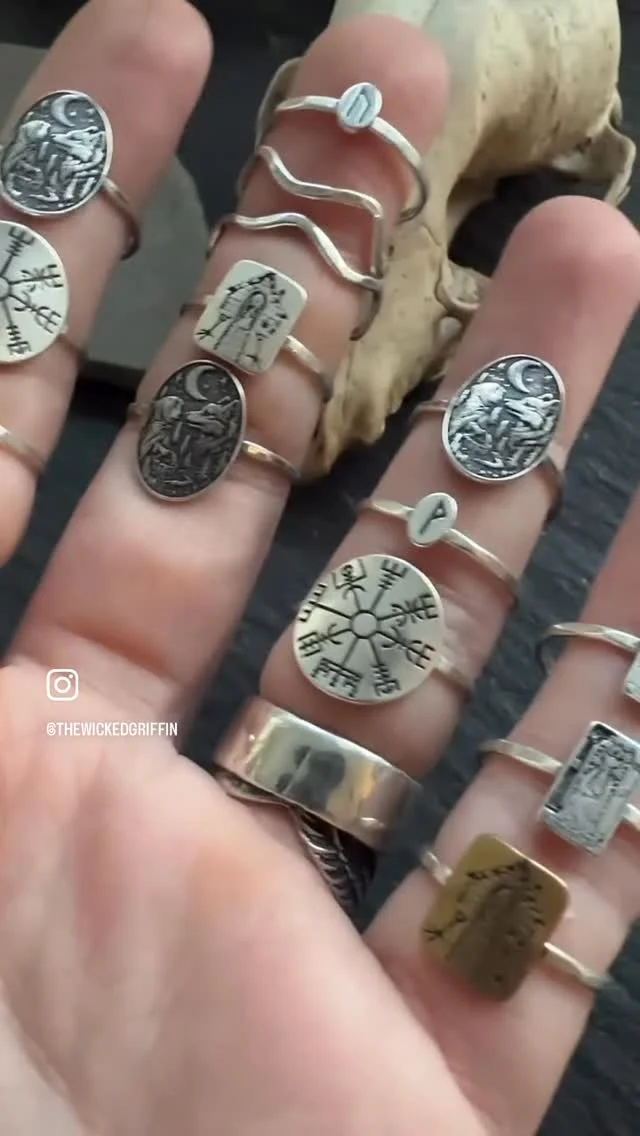
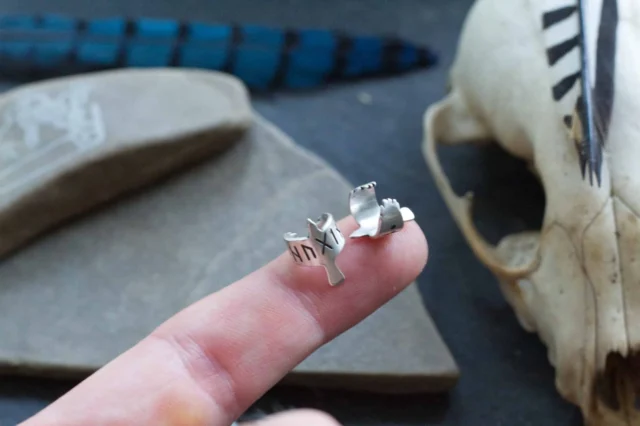
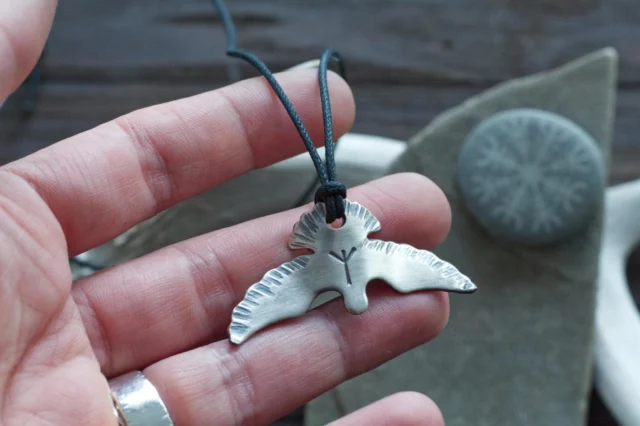
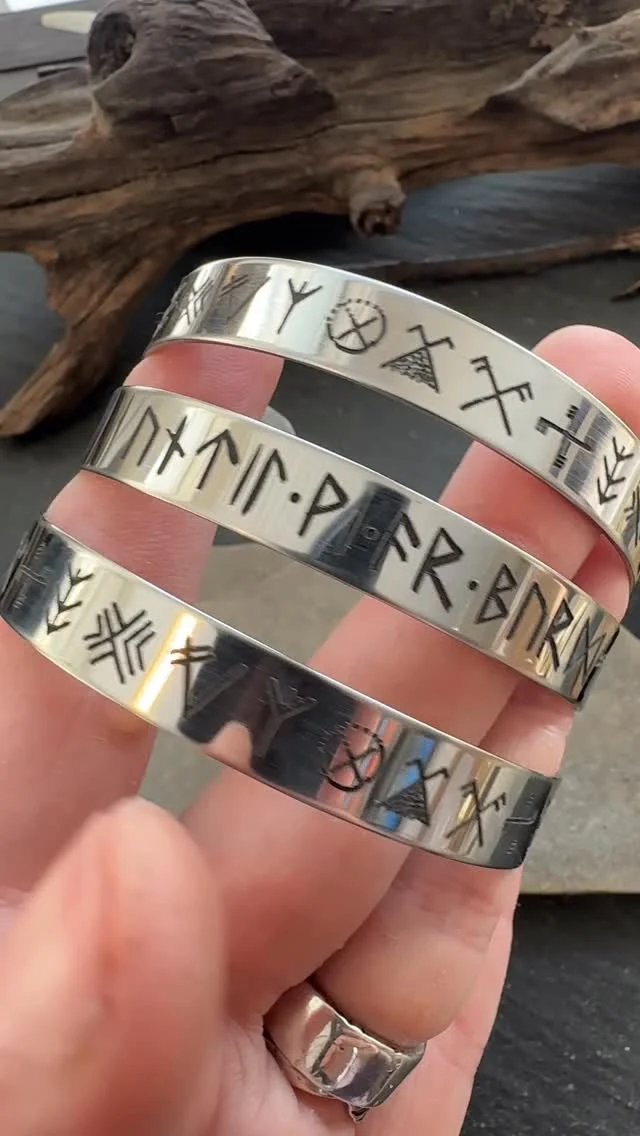
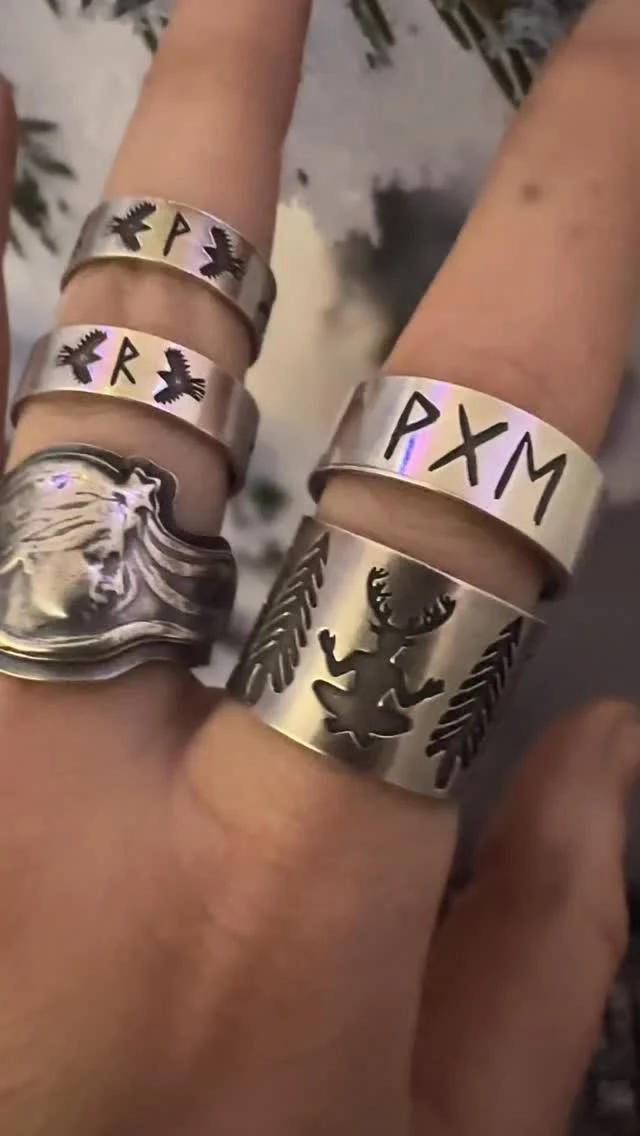
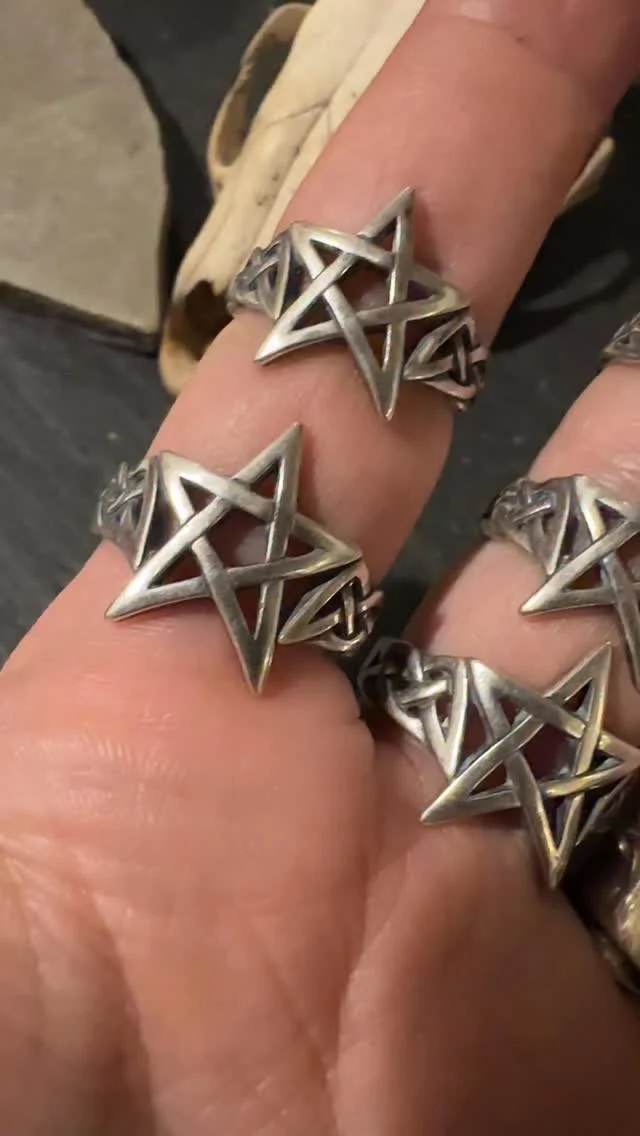
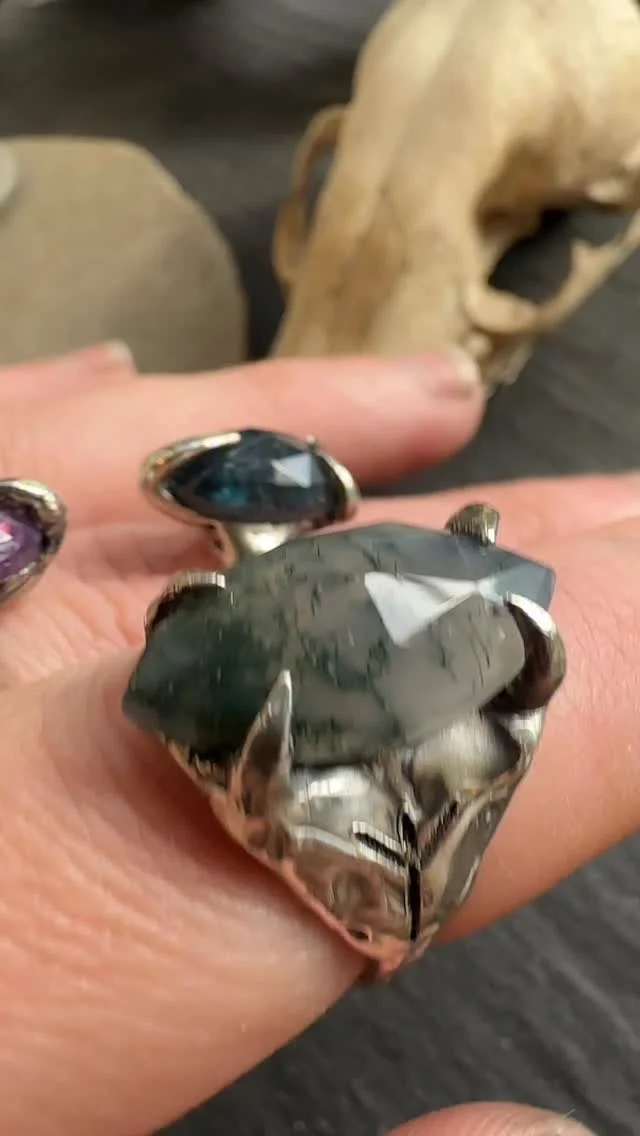
Othala is a powerful choice for jewelry connected with ancestry, home, inheritance, family legacy, rooted identity, protection of what is sacred, and the freedom that comes from belonging.