No products in the cart.
January 19, 2026 3:54 pm

Free USA shipping on orders $35+
January 19, 2026 3:54 pm
Mead holds a unique place in Norse mythology and Viking culture, weaving together myth, ritual, and historical practice.
From the Mead of Poetry to ceremonial feasting, this honey-based elixir was more than a beverage. It symbolized wisdom, divine power, and social cohesion.
This article explores the legendary and historical dimensions of mead in the Norse world, grounding every claim in academic literature and primary sources.
Mead is an alcoholic drink made from fermented honey, water, and sometimes herbs or spices.
In Norse mythology and society, mead was not just consumed; it was revered. Archaeological finds and literary texts confirm its importance across both ritual and everyday life (Pollington, 2003, p. 12).
It was a symbol of hospitality, status, and divine favor, often consumed during feasts and sacred gatherings.
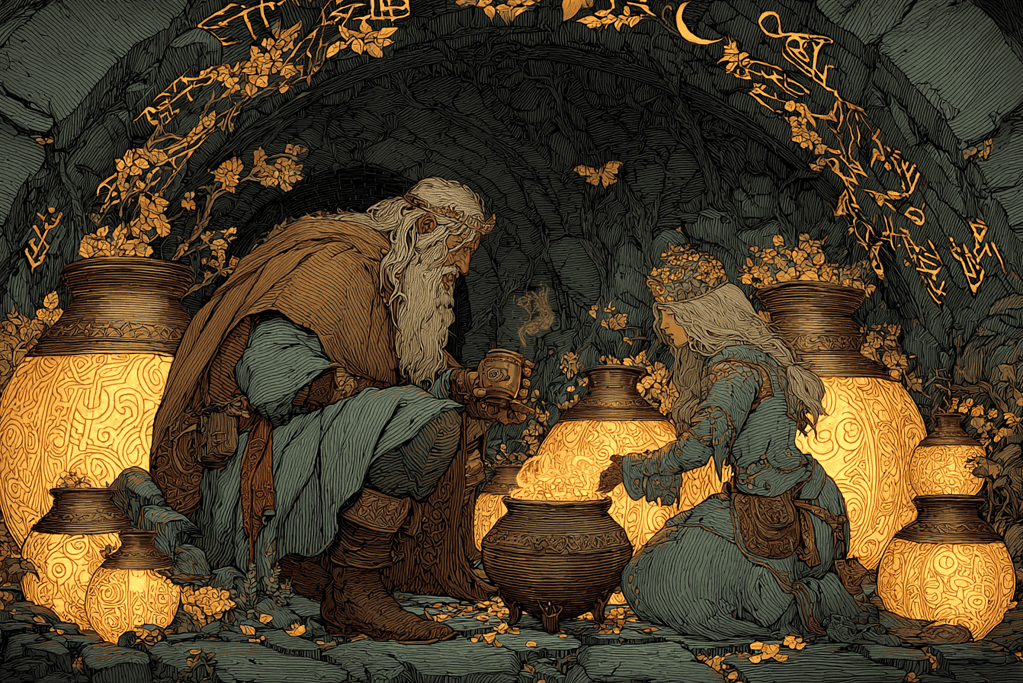
The most famous myth surrounding mead is the story of the Mead of Poetry, preserved in The Prose Edda by Snorri Sturluson.
According to this myth, the mead originated when the gods Æsir and Vanir ended their war and created a man named Kvasir, born of their combined spit.
Kvasir, the wisest of beings, was slain by the dwarves Fjalar and Galar, who mixed his blood with honey to create a magical mead (Sturluson, 1995, p. 63).
Fjalar and Galar, dwarf brothers, murdered Kvasir and brewed his blood into the Mead of Poetry.
Their role in Norse mythology reflects a darker element of wisdom acquisition: that knowledge and art are born from sacrifice.
They stored the mead in three containers: Óðrir, Boðn, and Són (Sturluson, 1995, p. 64).
Odin’s quest for the mead is central.
After tricking the giant Jötunn Suttungr, who had taken possession of the mead, Odin seduced his daughter Gunnlöð and obtained the brew by drinking it over three nights.
He then transformed into an eagle and flew back to Asgard, vomiting the mead into containers kept by the gods (Sturluson, 1995, pp. 65-67).
Odin’s theft of the mead symbolizes the Norse ideal that wisdom is hard-won and sometimes gained through cunning.
In Norse belief, drinking the mead granted the gift of poetry and eloquence. The skalds, or court poets, believed their ability was divinely inspired.
Odin gave the mead only to those he deemed worthy, and the idea of poetic skill as a divine gift appears repeatedly in skaldic verse and myth (Clunies Ross, 2005, p. 117).

Feasting was central to Viking social life. Mead flowed during religious festivals, funerals, and community gatherings.
Drinking from shared drinking horns symbolized unity and loyalty among warriors and kin.
In elite burials like those at Oseberg and Gokstad, drinking vessels and mead residues suggest its ceremonial importance (Price, 2020, p. 303).
Mead was indeed widely consumed across Scandinavia, with evidence from texts, archaeological remains, and residue analysis on drinking vessels (Hagen, 1974, p. 92).
It was often brewed using honey, herbs, and sometimes fruits.
Mead held both practical and symbolic value and was a staple in Viking Age hospitality and gift-giving (Christiansen, 1997, p. 55).
The story of Kvasir and Odin reveals how deeply power and wisdom were linked to mead.
By drinking it, Odin became the master of poetic language and prophecy.
Mead became a mythological stand-in for divine knowledge and ritual authority, much like fire or runes (Larrington, 2014, p. 82).
Its consumption often accompanied oaths, sacrifices, and divinatory acts.

Gunnlöð, Suttungr’s daughter, was guardian of the mead, confined in a stronghold beneath a mountain.
Odin seduced her over three nights to win access to the brew. This story highlights themes of trickery, sacrifice, and feminine power in Norse mythology.
Gunnlöð is often interpreted as a giantess connected to fate and transformation (Simek, 2007, p. 120).

The myth illustrates that wisdom is earned, sometimes deceitfully, but always at cost.
Kvasir’s death, Gunnlöð’s seduction, and Odin’s flight all reinforce that inspiration is sacred, dangerous, and rare.
Knowledge in Norse cosmology was embodied, consumed, and guarded, and mead was its most potent metaphor (Tolley, 2009, p. 213).
Christiansen, E. (1997). The Norsemen in the Viking Age. Wiley-Blackwell.
Clunies Ross, M. (2005). A History of Old Norse Poetry and Poetics. D.S. Brewer.
Hagen, A. (1974). Viking and Norse Mythology. Peerage Books.
Larrington, C. (2014). The Poetic Edda (Trans.). Oxford University Press.
Pollington, S. (2003). Mead-Hall : The Feasting Tradition in Anglo-Saxon England. Anglo-Saxon Books.
Price, N. (2020). Children of Ash and Elm: A History of the Vikings. Basic Books.
Simek, R. (2007). Dictionary of Northern Mythology (A. Hall, Trans.). Boydell & Brewer.
Sturluson, S. (1995). The Prose Edda (Jesse Byock, Trans.). Penguin Classics.
Tolley, C. (2009). Shamanism in Norse Myth and Magic (Vol. 1). FF Communications.

ᛉ 100% handcrafted artisan pagan , viking, witchcraft and shamanic inspired jewelry.
ᛉ Runes, Symbolism & European Folklore
Get 20% off👇🏻

Five witches dance around a blazing bonfire beneath a citrine cabochon in this Walpurgisnacht pendant....
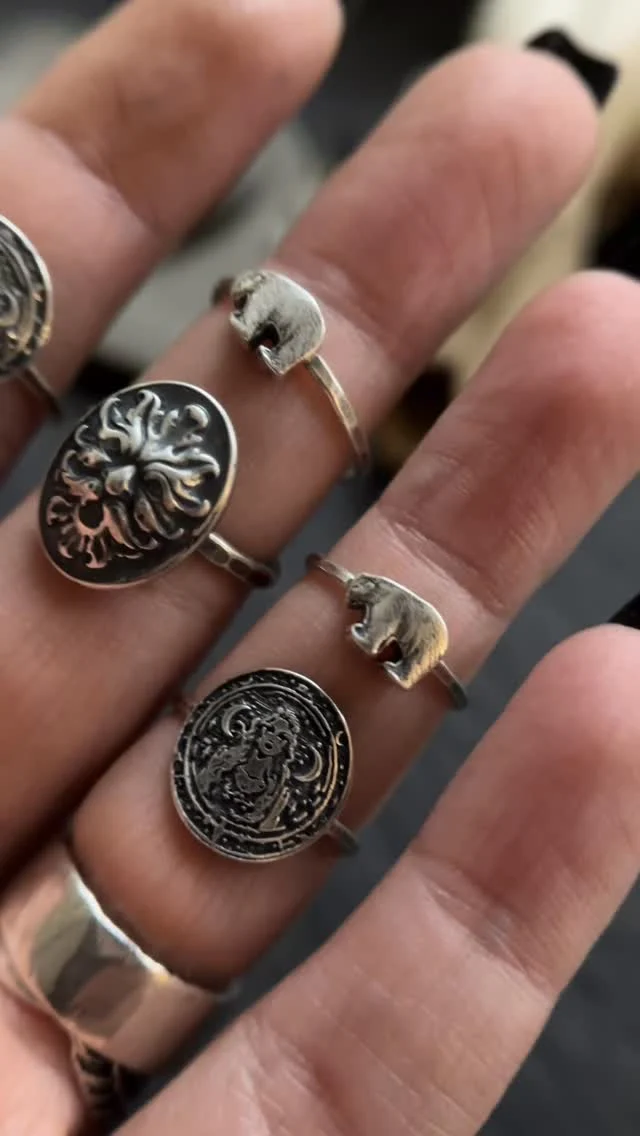
Happy washing day 🙃
A few rings I’ve worked on the last couple days…
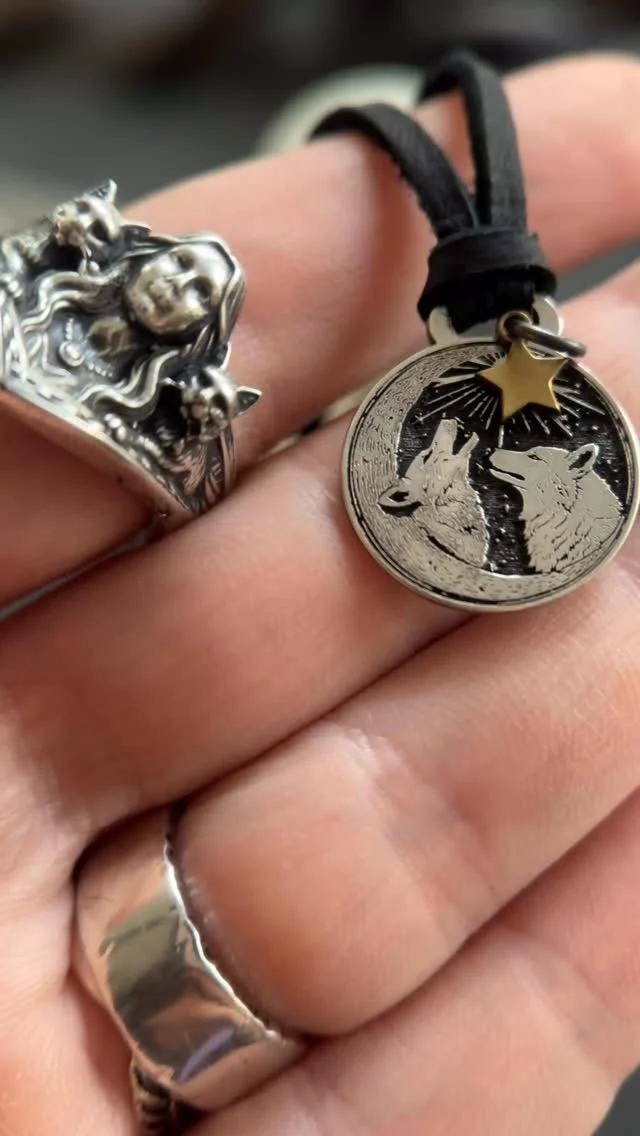
Freya’s cats rule and dogs drool?
Or was that the other way around? 🙃

Garm barely shows up in the old Norse stories.
Still… he leaves a mark.
A...
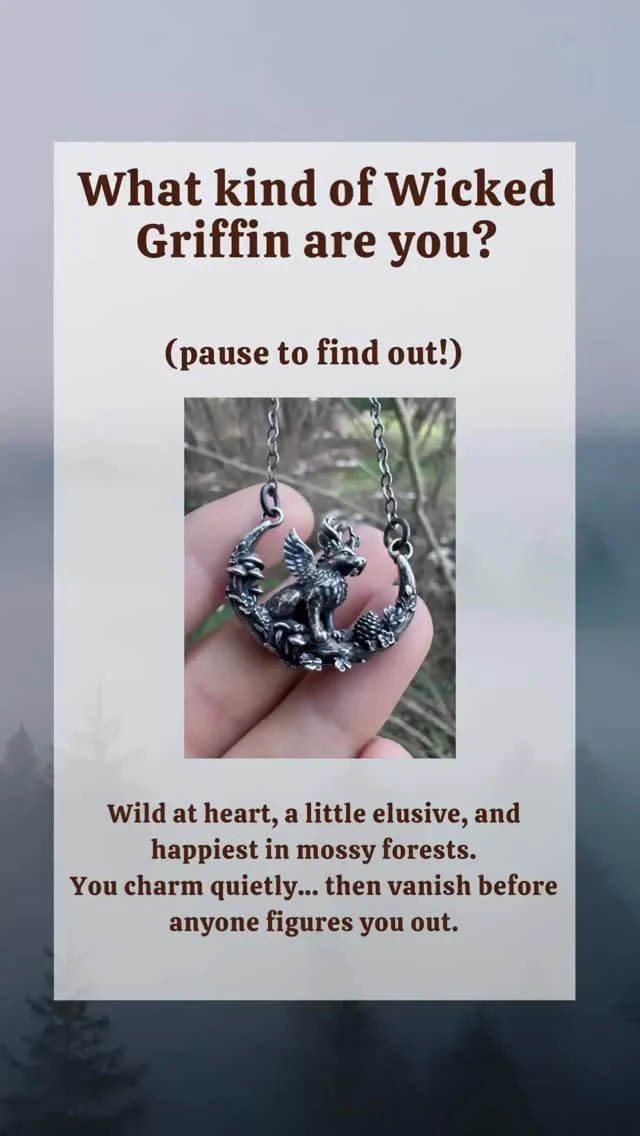
Leave a comment with your result ❤️
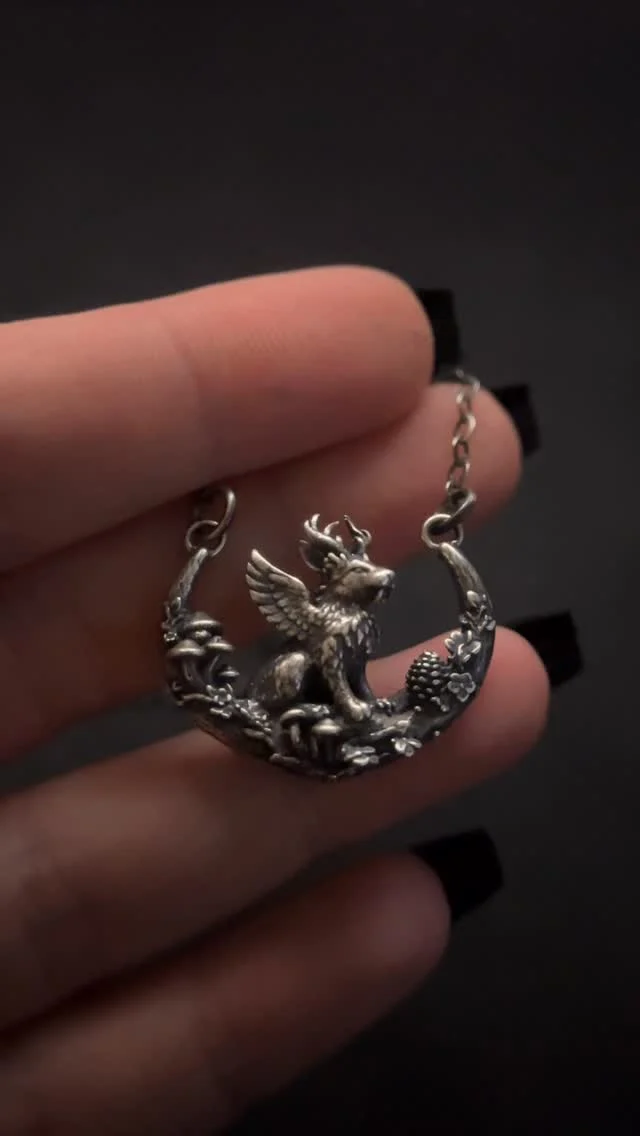
Bavarian Folklore says that you might just cross paths with a Wolpertinger in the alpine...

🐇🌲✨
He finally stepped out of the forest…
The Wolpertinger Pendant has arrived.
Inspired by...

I don’t often sell them, but love it when I do!
Vinca symbol bracelets ❤️...

Rooted in strength + guarded by ravens

The serpent waits 🖤
(Handcrafted Jörmungandr ring made to order in my shop)

Stay warm, everyone ❤️

😑😑😑🤮

I thought I had closed the book on the Alice in Wonderland rings…
But you...

Can this be over now, please?

In case you forgot 💜

Something I’ve been thinking about lately.
If there’s one thing I would’ve done differently early...

This year, we’re not buying things just to keep up.
If you need the reminder:...

My husband is from Bavaria (southern Germany) and I originally made this Krampus pendant for...

Some of the items I’m shipping out today ❤️
Please forgive my dirty nails 😂...

A few items shipping out today 🥰

This mornings rings shipping out ❤️

A few of the rjngs I’m shipping out this morning ❤️
How do you like...

Krampus is coming 🫶🏻

Getting ready to pack up these pretties and ship to their owners ❤️

Freya, cats and pentacles. Doesn’t get any better ❤️

You all got me going crazy making all these fairytale + storybook rings.
But I’ll...

Just launched these pretties ❤️
Size 9 amethyst ring + size 7.25 green kyanite

What would you trade to learn Baba Yaga’s secrets?

It *finally* looks, feels and smells like October!
And here are some items I’m packing...

This mornings pretties getting ready to ship :)

Getting ready to pack up these pretties and ship to their owners ❤️

You bet I’m hopping on this trend 😂
Thank you @shes_sinister for the prompt!

While I welcome the seasonal darkness…it sure is going to make my morning quick videos...

Finally finished the rings I’ve been working on in my stories ❤️
I think I...

Was going to post this update to my stories but it’s too long.

“How do you know I’m mad?” said Alice.
“You must be,” said the Cat, “or...

Some of this mornings orders getting ready to ship. Those little bats are so cute...

Here is the finished ring I was working on in my stories yesterday, along with...

A few of today’s orders shipping out this morning ❤️

The two silver raven rings I was working on in my stories yesterday.
…as well...

Eeeek! I’m so happy to add these to my shop ❤️
I’ve gotten so many...

I had 6 clamshells ready to ship this morning but I dropped and lost my...

Not the story you were told.
The girl didn’t run.
The wolf didn’t win.
This...

I love these raven rings so much 🖤
This mornings pretties shipping out.
All items...

Sleek + minimal Mjölnir ring ⚒️


About the author Jacqueline Fatica


