No products in the cart.
March 23, 2026 8:25 pm

Free USA shipping on orders $35+
March 23, 2026 8:25 pm
This post contains affiliate links. This means that I may receive a small commission if you decide to purchase and not additional cost to you 🙂 This supports my small, handmade jewelry business.
Italian fairy tales represent one of the earliest documented bodies of wonder narrative in Europe.
Long before many familiar story collections appeared in France or Germany, storytellers in Italy were already preserving magical tale material in written form.
These narratives emerged from a living oral storytelling environment shaped by regional culture, seasonal customs, and the imaginative traditions of both rural and urban communities.
Over time, collectors and writers began to record these fairy stories, creating a literary foundation that influenced later European fairy-tale development.
The earliest major primary source for italian fairy tales is the sixteenth-century literary collection Le piacevoli notti by Giovanni Francesco Straparola, published in Venice beginning in 1550.
This work contains some of the first literary fairy-tale narratives known in Europe, presenting transformation stories, magical adventures, and social rise motifs that later became widespread.
In the seventeenth century, Giambattista Basile produced the Neapolitan collection Lo cunto de li cunti, often known as the Pentamerone.
His work preserved early literary versions of stories resembling Cinderella, Sleeping Beauty, and other famous tale cycles, making it one of the most important sources for the study of fairy tales in Italy.
A later phase of documentation occurred in the nineteenth century, when folklorists began systematically recording oral storytelling traditions.
Scholars such as Giuseppe Pitrè gathered narratives directly from storytellers in Sicily and other regions, preserving a vast collection of italian folktales before rapid social change could erase them.
In the twentieth century, Italo Calvino brought renewed attention to this tradition by assembling a literary anthology based on earlier ethnographic archives.
Through translation, adaptation, and editorial framing, these sources helped introduce italian fairy tales to a modern international readership.
Taken together, these primary collections reveal how fairy tales in Italy developed across centuries through the interaction of oral narration, literary creativity, and cultural exchange.
Studying these sources allows readers to understand the historical origin of familiar story motifs and the important contribution of Italian storytelling to the broader European fairy-tale tradition.
This tale appears in the Pentamerone collection by Giambattista Basile in Naples during the seventeenth century. It represe
nts one of the earliest literary versions of the cinderella narrative in European folklore. The heroine Zezolla suffers abuse from her stepfamily before magical intervention allows her to attend royal festivities. Scholars consider this italian version crucial for understanding the development of later fairy tale adaptations.
Also recorded by Basile, this tale belongs to the Sleeping Beauty narrative cycle. A princess falls into an enchanted sleep caused by a flax splinter and later awakens through supernatural intervention.
The birth of her children Sun and Moon marks a symbolic renewal motif common in early modern storytelling. The tale preserves archaic themes from oral tradition in southern Italy.
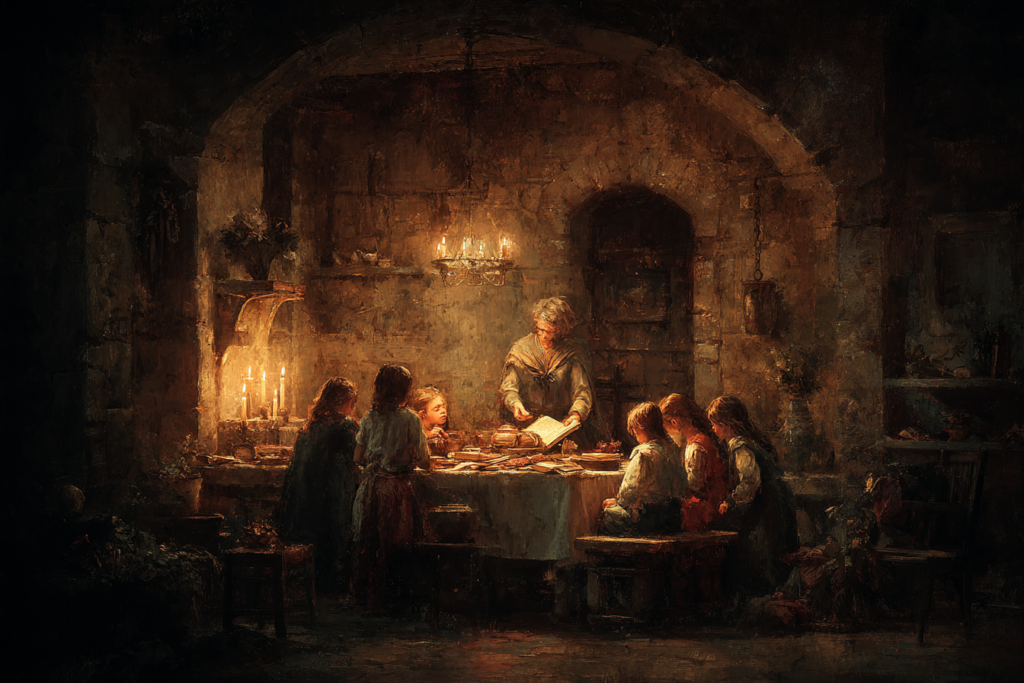
This fairy tale recounts the imprisonment of a young girl in a tower by an ogress. She eventually escapes through magical objects that delay pursuit.
The narrative belongs to the same tale cycle later associated with Rapunzel in the Brothers Grimm collection. Basile’s literary version provides one of the earliest printed witnesses of this story pattern.
In this unusual tale, a king raises a giant flea and uses its skin as part of a marriage riddle. A monstrous suitor solves the challenge and carries the princess away to his realm.
The narrative blends grotesque humor with themes of heroic rescue. It reflects Baroque storytelling aesthetics found in Neapolitan literary culture.
This tale describes a prince seeking magical fruit containing enchanted maidens. The narrative belongs to the widespread Love for Three Oranges cycle documented across the Mediterranean.
Transformation and quest motifs dominate the plot structure. Basile’s account demonstrates the literary preservation of earlier fairy stories circulating orally.
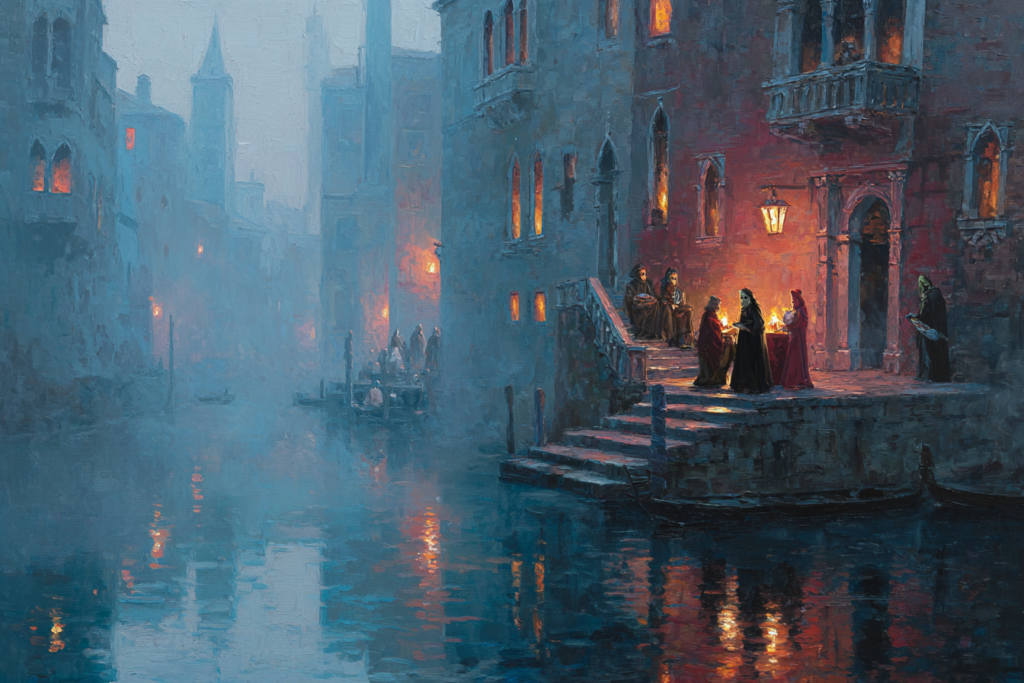
A brother and sister become separated when one is transformed into an animal through enchantment. The surviving sibling undertakes a journey to break the spell and restore human identity.
The tale reflects pastoral imagery linked to rural storytelling environments in Italy. It illustrates how fairy tale narratives may incorporate themes of kinship and survival.
This narrative concerns siblings transformed into birds through magical intervention. A devoted sister endures hardship to reverse the spell and reunite the family.
The tale belongs to a transformation cycle found widely in European folklore. Basile’s literary version provides an early record of this popular tale type.
A magical stone hidden within a rooster becomes central to a royal quest. The story combines riddles, comic elements, and supernatural encounters.
It reflects oral storytelling textures preserved in literary collection. Scholars note its symbolic exploration of fortune and destiny.
In this fairy tale a prince seeks a magical plant capable of altering fate. The journey involves encounters with enchanted guardians and tests of courage. Such regenerative plant motifs appear frequently in early modern narrative tradition. Basile’s work demonstrates the literary adaptation of symbolic folklore imagery.
A young woman enters an otherworldly palace and must survive supernatural trials. Her intelligence and moral strength allow her to overcome magical dangers.
The tale blends urban mercantile imagery with fairy tale wonder elements. It reflects the social environment of seventeenth-century Naples.
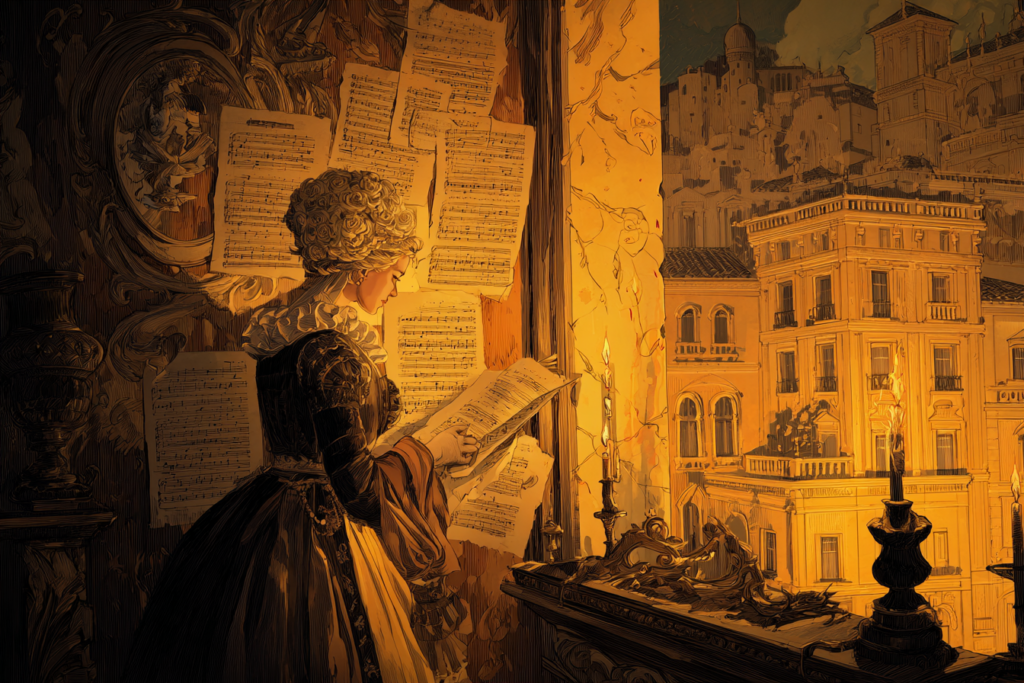
This tale appears in the Venetian literary collection Le piacevoli notti by Straparola. It follows a youth whose fortune changes through magical assistance and perseverance.
The narrative structure anticipates later european fairy stories centered on destiny and social mobility. Scholars often cite it as part of the earliest literary fairy tale tradition.
Also recorded by Straparola, this story involves supernatural protection and transformation motifs. The heroine survives court intrigue through magical intervention.
The tale reflects Renaissance interest in blending romance narrative with fable-like moral themes. It illustrates how literary storytelling preserved oral tale variation.
This narrative concerns a young man who gains wisdom through encounters with magical helpers. His adventures lead to recognition and social advancement.
The tale represents early experimentation with fairy tale narrative structure in Renaissance Italy. It demonstrates the contribution of venetian literary culture to European storytelling.
In this fairy tale a noble child raised in the wilderness seeks his true identity. His journey involves encounters with enchantment and heroic tests.
The narrative blends chivalric romance with wonder tale motifs. It reflects the earliest literary attempts to narrate transformation and destiny cycles.
Documented by Sicilian folklorist Giuseppe Pitrè, this tale concerns a demonic nobleman testing the virtue of three sisters.
The youngest survives through caution and moral discipline. The narrative belongs to the Bluebeard tale family. It illustrates how oral storytelling persisted in rural communities.
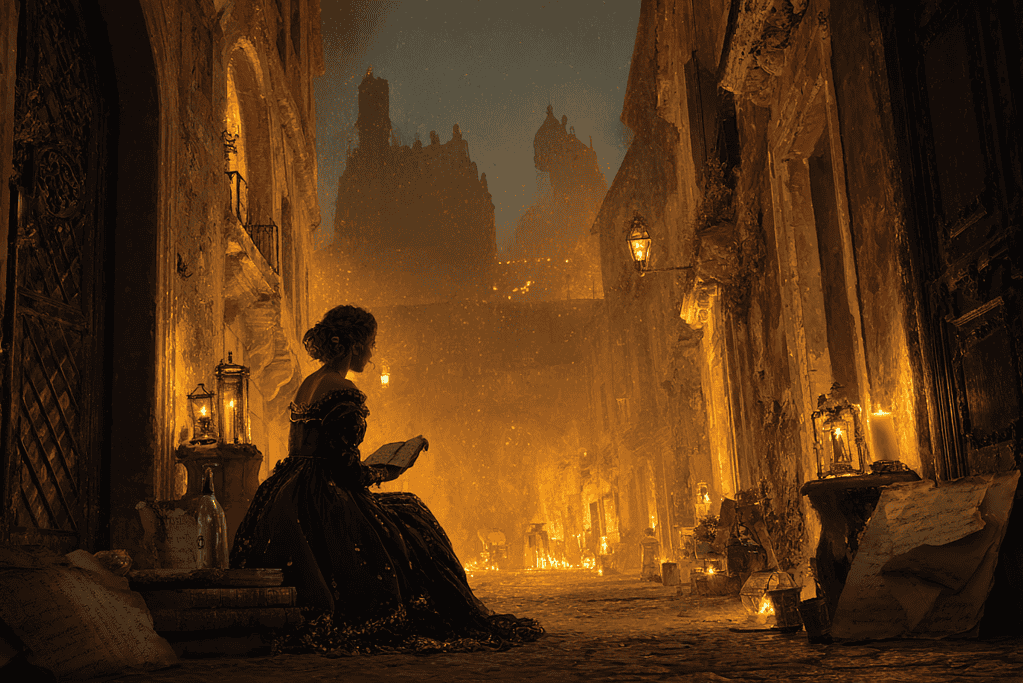
This popular tale describes a magical crab who assists a young man facing betrayal. Animal helper motifs reveal deep symbolic roots in Mediterranean folklore.
The story emphasizes loyalty and hidden wisdom. Pitrè recorded it from oral narrators in Sicily.
This fairy tale appears in later Italian folklore collections and retellings. A princess marries a mysterious bridegroom who is revealed to be under enchantment.
Trials of endurance ultimately restore his human form. The narrative belongs to the animal bridegroom cycle found across Europe.
In this story a prince transformed into a bird must be recognized by his beloved. Magical quests and tests of fidelity shape the plot.
The tale illustrates transformation motifs central to fairy tale tradition. Regional storytellers preserved variants across Italy.
This narrative resembles broader Beauty and the Beast cycles in European folklore. A young woman confronts fear and enchantment within a magical household.
Her compassion breaks the spell affecting the monster. Folklorists recorded Italian variations during ethnographic research.
This tale recounts a prince who reluctantly marries a frog that later transforms into a noble woman. Impossible tasks set by the royal court reveal her magical abilities.
The narrative reflects symbolic themes of identity and transformation. It survives in multiple Italian oral traditions.
A hero of unusual strength undertakes quests against supernatural adversaries. The story belongs to a heroic fairy tale cycle widespread in Europe.
Italian storytellers preserved versions emphasizing rural adventure landscapes. It demonstrates the blending of legend and fairy narrative.
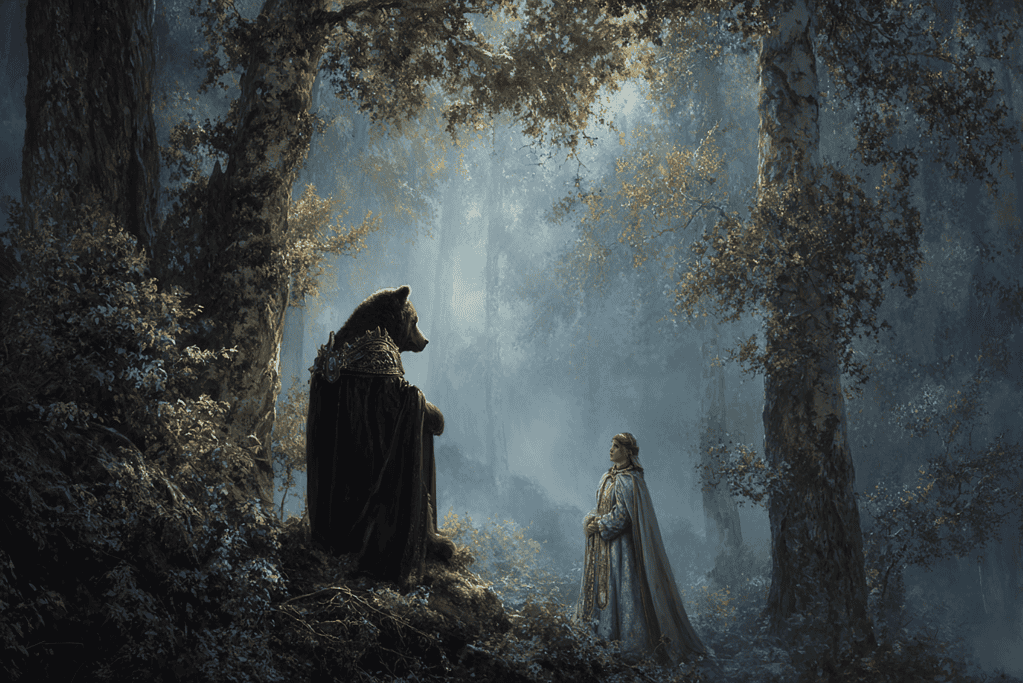
A wandering youth encounters a hidden palace inhabited by enchanted cats. Their assistance leads him to wealth and social success.
The tale reflects animal kingdom symbolism common in italian folktales. Collectors recorded it from central Italian narrators.
This fairy tale features a prince transformed into a peacock through magical curse. Recognition by a devoted heroine restores his human identity.
Bird transformation motifs appear frequently in Mediterranean storytelling. Folklorists documented regional variations.
A poor girl gains royal recognition by solving riddles posed by a ruler. Her intelligence allows her to transcend social class boundaries.
The narrative belongs to an international tale type celebrating wit and resourcefulness. Italian versions reflect agrarian cultural settings.
This popular tale recounts heroic combat with a monster threatening local communities. Magical weapons and supernatural helpers assist the protagonist.
The story merges fairy narrative with heroic legend. Italian oral tradition preserved multiple variation forms.
The study of Italian fairy tales reveals a storytelling tradition shaped by centuries of literary preservation and oral narration.
From the Renaissance tale collections associated with Straparola in Venice to the Baroque narratives recorded by Giambattista Basile in Naples, early writers played a decisive role in bringing wonder tales into written form.
These primary sources provide some of the earliest literary evidence for narrative patterns that later became central to European fairy-tale traditions.
Nineteenth-century folklorists expanded this foundation by collecting stories directly from regional narrators, preserving a wide range of italian folktales that might otherwise have disappeared.
Their work demonstrates how fairy stories continued to evolve through variation, adaptation, and performance within local cultural environments.
In the twentieth century, literary editors and translators helped make these narratives accessible to a broader readership, ensuring that the tale tradition remained visible within modern storytelling.
Understanding fairy tales in Italy therefore means recognizing the interaction between oral creativity and literary shaping across historical periods.
The surviving collections reveal how familiar motifs such as transformation, enchanted trials, and heroic quests developed within specific cultural settings before spreading across Europe.
For readers today, these tales offer both imaginative narrative experiences and valuable insight into the historical origins of the fairy tale as a shared cultural form.
Basile, G. (2007). The tale of tales (N. Canepa, Trans.). Wayne State University Press.
Calvino, I. (1980). Italian folktales (G. Martin, Trans.). Harcourt Brace.
Pitrè, G. (1875). Fiabe, novelle e racconti popolari siciliani. Palermo.
Straparola, G. F. (2001). The pleasant nights (D. Beecher, Trans.). University of Toronto Press.

ᛉ 100% handcrafted artisan pagan , viking, witchcraft and shamanic inspired jewelry.
ᛉ Runes, Symbolism & European Folklore
Get 20% off👇🏻

Five witches dance around a blazing bonfire beneath a citrine cabochon in this Walpurgisnacht pendant....
Happy washing day 🙃
A few rings I’ve worked on the last couple days…
Freya’s cats rule and dogs drool?
Or was that the other way around? 🙃

Garm barely shows up in the old Norse stories.
Still… he leaves a mark.
A...
Leave a comment with your result ❤️
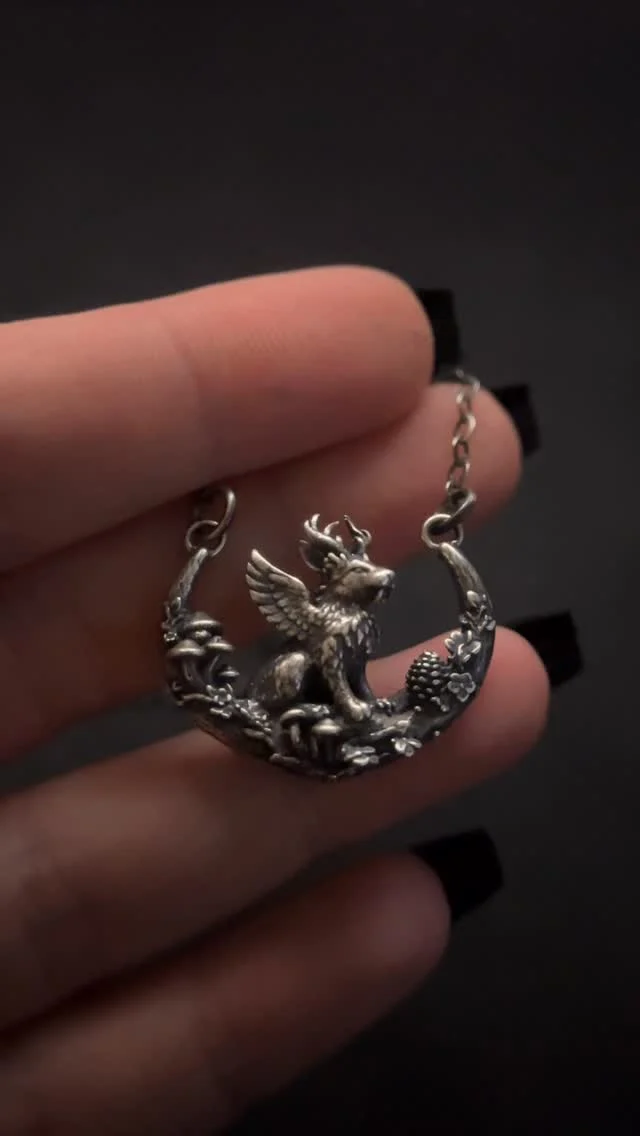
Bavarian Folklore says that you might just cross paths with a Wolpertinger in the alpine...

🐇🌲✨
He finally stepped out of the forest…
The Wolpertinger Pendant has arrived.
Inspired by...

I don’t often sell them, but love it when I do!
Vinca symbol bracelets ❤️...

Rooted in strength + guarded by ravens

The serpent waits 🖤
(Handcrafted Jörmungandr ring made to order in my shop)

Stay warm, everyone ❤️

😑😑😑🤮

I thought I had closed the book on the Alice in Wonderland rings…
But you...

Can this be over now, please?

In case you forgot 💜

Something I’ve been thinking about lately.
If there’s one thing I would’ve done differently early...

This year, we’re not buying things just to keep up.
If you need the reminder:...

My husband is from Bavaria (southern Germany) and I originally made this Krampus pendant for...

Some of the items I’m shipping out today ❤️
Please forgive my dirty nails 😂...

A few items shipping out today 🥰

This mornings rings shipping out ❤️

A few of the rjngs I’m shipping out this morning ❤️
How do you like...

Krampus is coming 🫶🏻

Getting ready to pack up these pretties and ship to their owners ❤️

Freya, cats and pentacles. Doesn’t get any better ❤️

You all got me going crazy making all these fairytale + storybook rings.
But I’ll...

Just launched these pretties ❤️
Size 9 amethyst ring + size 7.25 green kyanite

What would you trade to learn Baba Yaga’s secrets?

It *finally* looks, feels and smells like October!
And here are some items I’m packing...

This mornings pretties getting ready to ship :)

Getting ready to pack up these pretties and ship to their owners ❤️

You bet I’m hopping on this trend 😂
Thank you @shes_sinister for the prompt!

While I welcome the seasonal darkness…it sure is going to make my morning quick videos...

Finally finished the rings I’ve been working on in my stories ❤️
I think I...

Was going to post this update to my stories but it’s too long.

“How do you know I’m mad?” said Alice.
“You must be,” said the Cat, “or...

Some of this mornings orders getting ready to ship. Those little bats are so cute...

Here is the finished ring I was working on in my stories yesterday, along with...

A few of today’s orders shipping out this morning ❤️

The two silver raven rings I was working on in my stories yesterday.
…as well...

Eeeek! I’m so happy to add these to my shop ❤️
I’ve gotten so many...

I had 6 clamshells ready to ship this morning but I dropped and lost my...

Not the story you were told.
The girl didn’t run.
The wolf didn’t win.
This...

I love these raven rings so much 🖤
This mornings pretties shipping out.
All items...

Sleek + minimal Mjölnir ring ⚒️


About the author Jacqueline Fatica


