No products in the cart.
March 10, 2023 7:40 am

Free USA shipping on orders $35+
March 10, 2023 7:40 am
In Norse Mythology, the worlds that are ‘below’, or underneath the world-tree Yggdrasil, are under the rule of Hel, who resides in Helheimr (- ‘realm of the dead, underworld’). Hel is attested and mentioned in various Old Norse and Icelandic poems, mostly associated with a place that exists underneath the roots of Yggdrasil, where the spirits of dead people reside.
In most traditional hunter-gatherer societies of the North, the world-tree or world pillar is a shared, common myth. The different realms usually consist of 3 different dimensions that a shaman can travel to.
Jakob Grimm mentioned that Hel shared many common features with Holda/Perchta, Nerthus and the Hindu Maha Kali (Grimm, 1882). As a female deity, she personified transformative powers that can be found in the Underworld, a place that is very different from the Christian ‘hell’.
The well known British scholar Hilda Ellis Davidson said that Hel can be considered:
‘On the other hand, a goddess of death who represents the horrors of slaughter and decay is something well known elsewhere; the figure of Kali in India is an outstanding example. Like Snorri’s Hel, she is terrifying to in appearance, black or dark in colour, usually naked, adorned with severed heads or arms or the corpses of children, her lips smeared with blood. She haunts the battlefield or cremation ground and squats on corpses. Yet for all this she is “the recipient of ardent devotion from countless devotees who approach her as their mother” (Davidson, 1998, p.178).
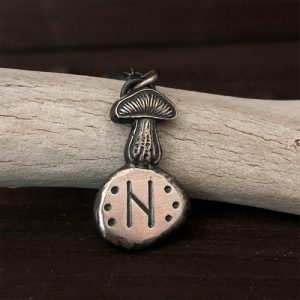

ᛉ 100% handcrafted artisan pagan , viking, witchcraft and shamanic inspired jewelry.
ᛉ Runes, Symbolism & European Folklore
Get 20% off👇🏻

Five witches dance around a blazing bonfire beneath a citrine cabochon in this Walpurgisnacht pendant....
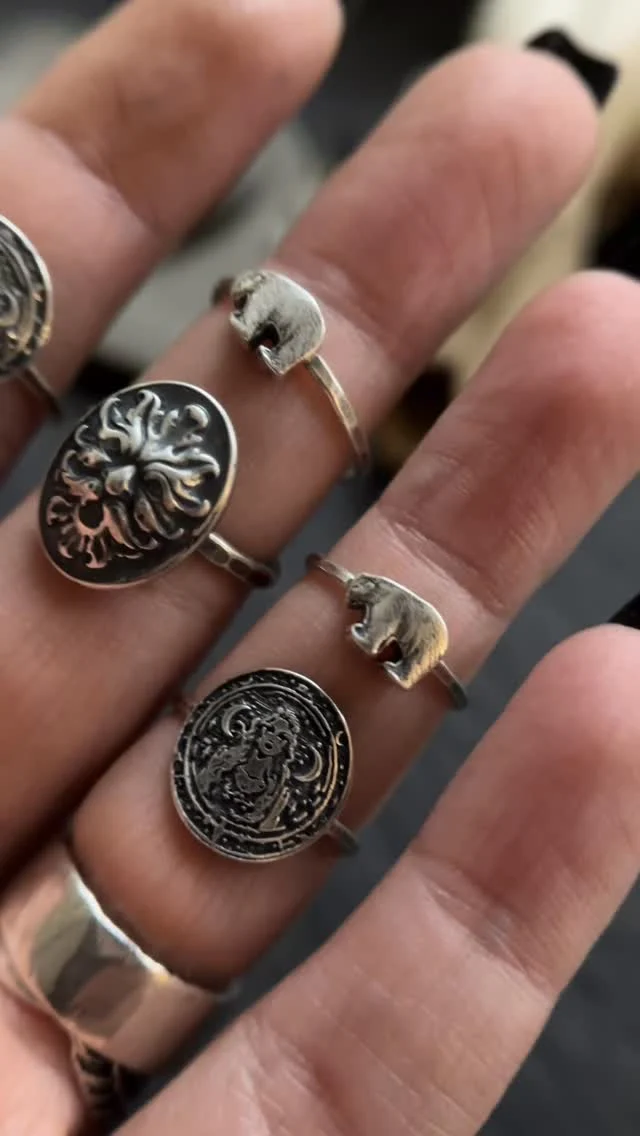
Happy washing day 🙃
A few rings I’ve worked on the last couple days…
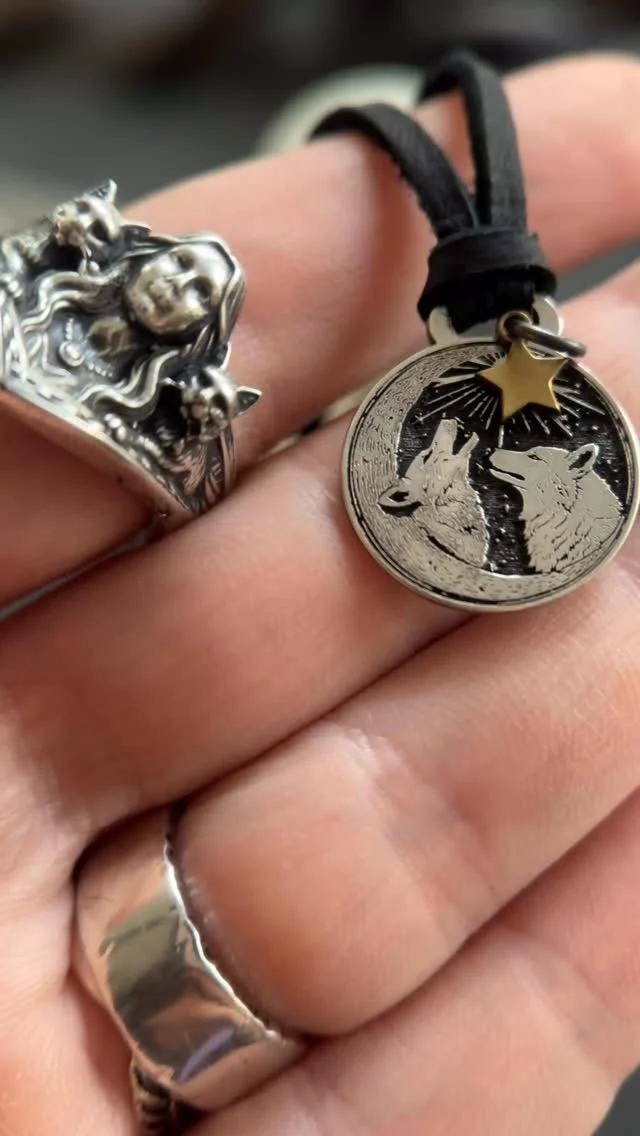
Freya’s cats rule and dogs drool?
Or was that the other way around? 🙃

Garm barely shows up in the old Norse stories.
Still… he leaves a mark.
A...
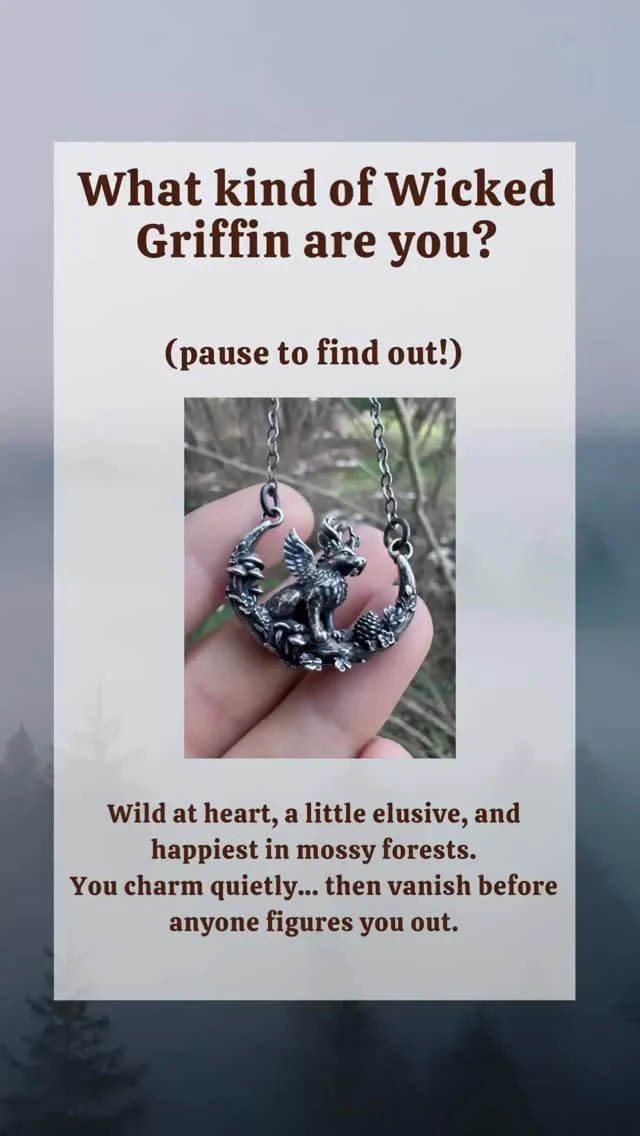
Leave a comment with your result ❤️
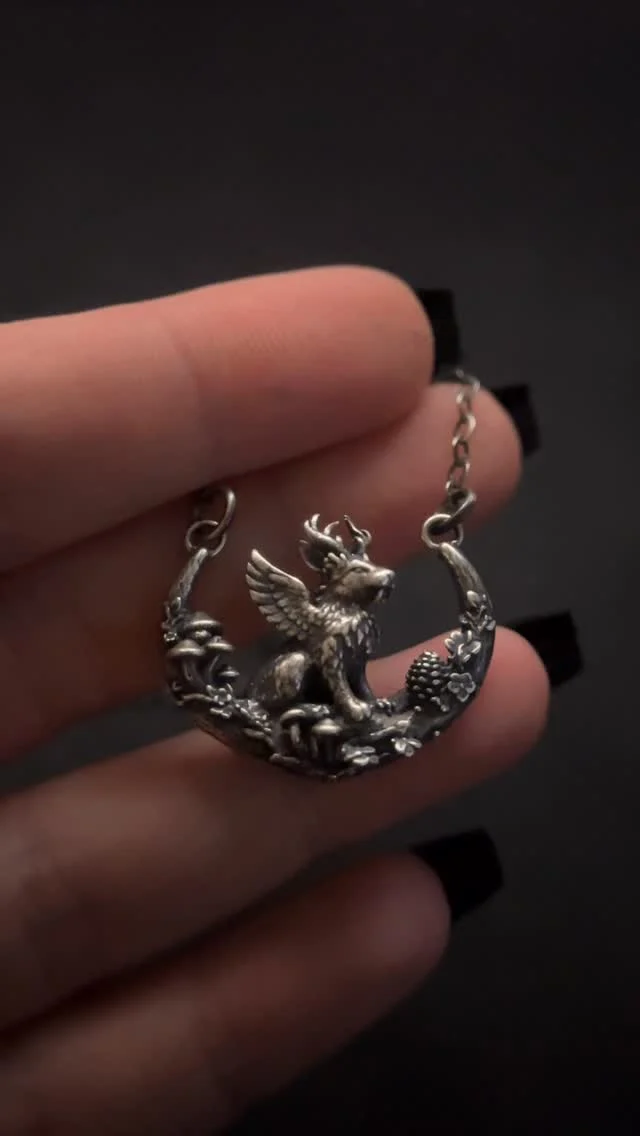
Bavarian Folklore says that you might just cross paths with a Wolpertinger in the alpine...

🐇🌲✨
He finally stepped out of the forest…
The Wolpertinger Pendant has arrived.
Inspired by...

I don’t often sell them, but love it when I do!
Vinca symbol bracelets ❤️...

Rooted in strength + guarded by ravens

The serpent waits 🖤
(Handcrafted Jörmungandr ring made to order in my shop)

Stay warm, everyone ❤️

😑😑😑🤮

I thought I had closed the book on the Alice in Wonderland rings…
But you...

Can this be over now, please?

In case you forgot 💜

Something I’ve been thinking about lately.
If there’s one thing I would’ve done differently early...

This year, we’re not buying things just to keep up.
If you need the reminder:...

My husband is from Bavaria (southern Germany) and I originally made this Krampus pendant for...

Some of the items I’m shipping out today ❤️
Please forgive my dirty nails 😂...

A few items shipping out today 🥰

This mornings rings shipping out ❤️

A few of the rjngs I’m shipping out this morning ❤️
How do you like...

Krampus is coming 🫶🏻

Getting ready to pack up these pretties and ship to their owners ❤️

Freya, cats and pentacles. Doesn’t get any better ❤️

You all got me going crazy making all these fairytale + storybook rings.
But I’ll...

Just launched these pretties ❤️
Size 9 amethyst ring + size 7.25 green kyanite

What would you trade to learn Baba Yaga’s secrets?

It *finally* looks, feels and smells like October!
And here are some items I’m packing...

This mornings pretties getting ready to ship :)

Getting ready to pack up these pretties and ship to their owners ❤️

You bet I’m hopping on this trend 😂
Thank you @shes_sinister for the prompt!

While I welcome the seasonal darkness…it sure is going to make my morning quick videos...

Finally finished the rings I’ve been working on in my stories ❤️
I think I...

Was going to post this update to my stories but it’s too long.

“How do you know I’m mad?” said Alice.
“You must be,” said the Cat, “or...

Some of this mornings orders getting ready to ship. Those little bats are so cute...

Here is the finished ring I was working on in my stories yesterday, along with...

A few of today’s orders shipping out this morning ❤️

The two silver raven rings I was working on in my stories yesterday.
…as well...

Eeeek! I’m so happy to add these to my shop ❤️
I’ve gotten so many...

I had 6 clamshells ready to ship this morning but I dropped and lost my...

Not the story you were told.
The girl didn’t run.
The wolf didn’t win.
This...

I love these raven rings so much 🖤
This mornings pretties shipping out.
All items...

Sleek + minimal Mjölnir ring ⚒️


About the author Jacqueline Fatica


