No products in the cart.
March 2, 2026 8:58 pm

Free USA shipping on orders $35+
March 2, 2026 8:58 pm
The rich body of English fairy tales reflects a deep tapestry of local traditions, oral storytelling, and literary preservation.
Far from being mere stories for children, many of these classic fairy tales emerged from centuries-old folkloric motifs passed down through rural oral traditions.
Collectors such as Joseph Jacobs and editors of earlier anthologies helped preserve this lore, shaping what we now recognize as canonical English fairy tales (Briggs, 1970; Jacobs, 1890).
Although many of these narratives are now marketed as stories for kids or collected as fairy tales bedtime reading, their earliest forms were far darker and more complex.
These English fairy tales belong to a broader tradition of European tales and stories that shaped what we now call the classic fairy tale.
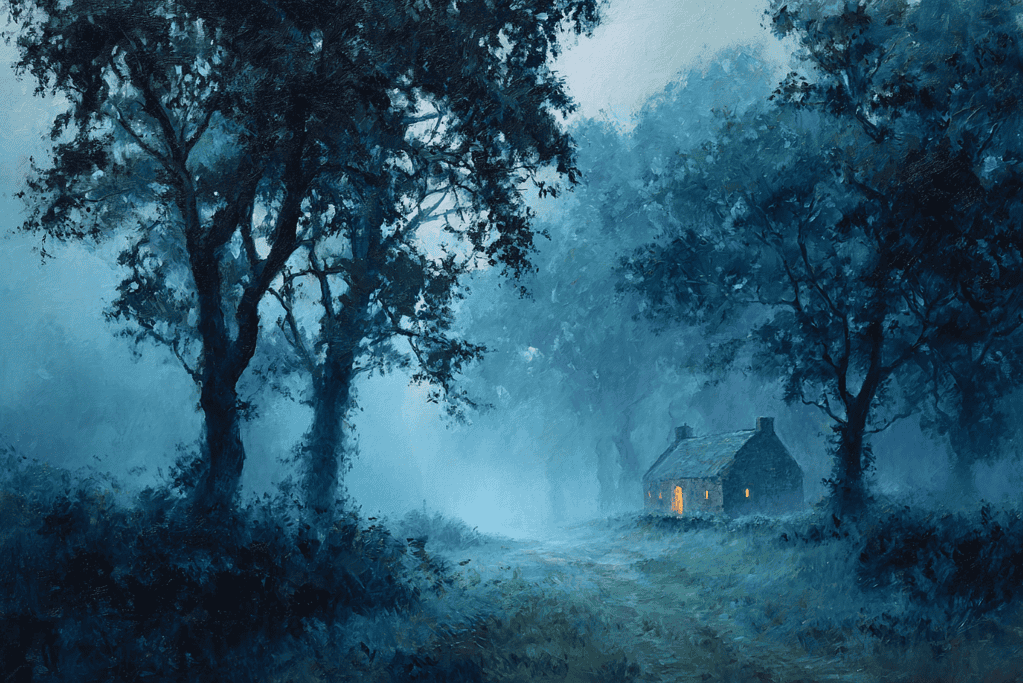
Joseph Jacobs remains the most influential figure in the collection and publication of English fairy tales.
More importantly, his 1890 volume English Fairy Tales included many stories still popular today, including “Jack and the Beanstalk,” “Tom Tit Tot,” and “The Three Sillies.”
Jacobs sought to gather tales unique to English oral traditions rather than simply reprinting continental stories. Indeed, his work helped shape the idea of a distinctly English corpus of fairy tales (Jacobs, 1890).
Unlike continental tales such as Cinderella, Sleeping Beauty, or Rapunzel, which often center on a princess rescued by a king and queen or aided by a good fairy, many English fairy tales favor clever peasants and rustic humor.
While stories like Hansel and Gretel or Little Red Riding Hood emphasize forests, stepmothers, and wolves, English folk tales frequently highlight wit, domestic settings, and moral ambiguity.
The story of “Jack and the Beanstalk” likely evolved from English folktales involving clever or lucky peasant boys outwitting magical foes.
Though popularized by Jacobs, earlier versions of the tale appear in 18th-century chapbooks.
The moral ambiguity of Jack who steals reflects older folkloric archetypes of the trickster-hero (Opie & Opie, 1974).
“Tom Tit Tot” is an English variant of the widespread Rumpelstiltskin-type story. Jacobs considered it one of the best examples of English folk narrative structure and phonetics.
The use of dialect and rhythm in the tale showcases the oral roots of English storytelling traditions (Jacobs, 1890).
Though now mostly associated with children’s bedtime stories, “The Three Little Pigs” began as a moral tale emphasizing thrift, caution, and foresight.
The earliest published version dates to the 1840s, though its roots lie in rural oral tradition. The iconic refrain “I’ll huff, and I’ll puff” of course underscores the tale’s performative origins (Briggs, 1970).

“The Story of the Three Bears” is another classic English fairy tale with roots in oral tradition. The earliest known version was recorded by Robert Southey in 1837.
Originally, the intruder was not a little girl named Goldilocks, but an old woman.
The story underwent substantial transformation in later Victorian publications, gradually becoming more sanitized and child-friendly (Southey, 1837).
This tale, based loosely on the historical figure Richard Whittington, a wealthy merchant who became Lord Mayor of London, blends legend and folktale.
First printed in the 1600s, it weaves moral instruction with fantasy, portraying perseverance and animal loyalty (Briggs, 1970).
This lesser-known but deeply folkloric tale is a complicated narrative of riddles, quests, and supernatural adversaries.
Jacobs included it in his collections to illustrate how English folk stories could rival the complexity and richness of continental European traditions (Jacobs, 1890).
This ballad-like fairy tale is one of the darker examples within the English fairy tale tradition.
A dark tale involving jealousy and magical resurrection, “The Rose-Tree” represents a grimmer type of English fairy tale.
With motifs similar to “The Juniper Tree” found in Grimm’s fairy tales, it underscores the presence of cruelty, transformation, and revenge in native English folk traditions (Briggs, 1970).
This ballad-like fairy tale tells of sibling jealousy and the transformation of a victim into a musical instrument.
Found in both English and Scottish tradition, “Binnorie” is often linked with the “murder ballads” of border folklore and emphasizes the oral balladry nature of early English tales (Child, 1882).
This lesser-known but deeply folkloric fairy tale features a nurse who gains second sight after using a mysterious ointment and then pays the price for her curiosity.
It reflects traditional English beliefs about fairy realms, second sight, and the dangers of supernatural knowledge.
The story aligns with broader Celtic traditions regarding fairy vision and hidden realms (Briggs, 1970).
One of the oldest English fairy tales in print, Tom Thumb appeared in chapbooks as early as 1621.
The tiny hero has magical adventures in Arthurian England and is referenced by writers like Henry Fielding and Joseph Addison.
The story’s blend of magic, humor, and national folklore helped cement it as a foundational tale in English literature (Keightley, 1850).
The history of Tom Thumb demonstrates how a single fairy tale could evolve from chapbook humor into a foundational part of English literary culture.
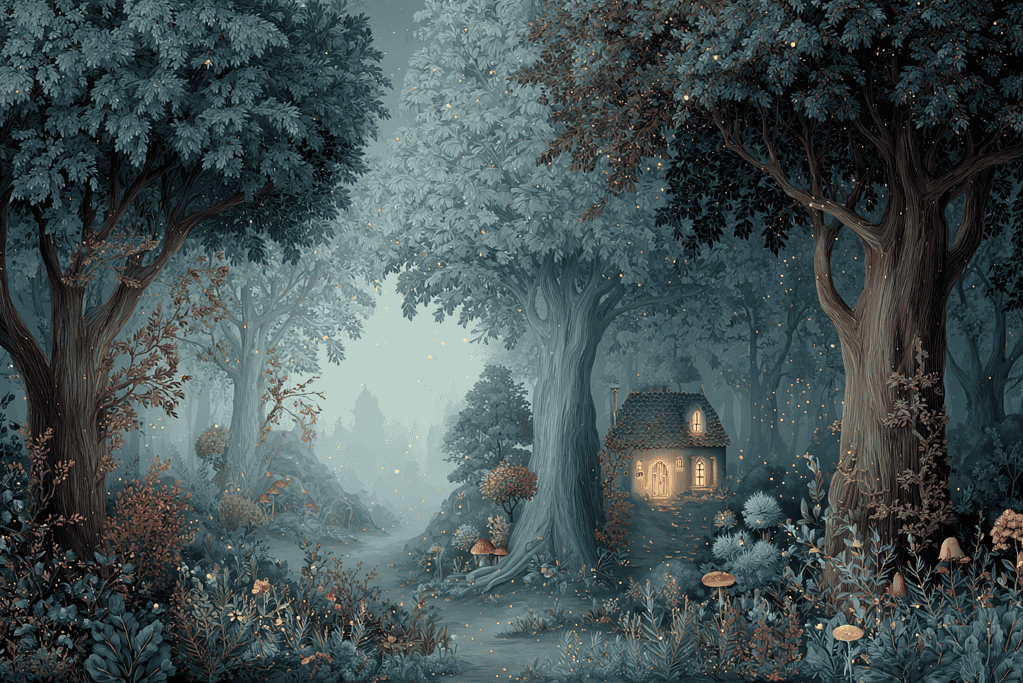
Dating back to the 18th century, “Jack the Giant-Killer” reflects a blend of chivalric romance, Celtic myth, and trickster folklore.
Jack’s cleverness and bravery as he defeats grotesque giants places him as a cultural hero akin to figures in Welsh and Cornish traditions.
The story’s enduring appeal lies in its adventurous and grotesque imagery (Briggs, 1970).
Today, many English fairy tales are available through Project Gutenberg and other digital archives, making classic fairy tales accessible in ebook format to a global audience.
For a native English speaker, these editions preserve dialect, rhythm, and older narrative structures that distinguish English fairy tales from other European traditions.
English fairy tales are more than just bedtime stories or entertainment for children.
They preserve the language, fears, values, and humor of earlier generations.
The work of collectors like Joseph Jacobs, Robert Southey, and folklorists like Katharine Briggs has ensured that these tales remain a part of our collective memory.
Whether through motifs like fairy ointment, tales of tiny heroes like Tom Thumb, or ballads like “Binnorie,” English fairy tales continue to offer insight into the lives and minds of those who told them first.
Briggs, K. M. (1970). A Dictionary of British Folk-Tales in the English Language. London: Routledge & Kegan Paul.
Child, F. J. (1882). The English and Scottish Popular Ballads. Boston: Houghton Mifflin.
Jacobs, J. (1890). English Fairy Tales. London: David Nutt.
Keightley, T. (1850). The Fairy Mythology: Illustrative of the Romance and Superstition of Various Countries. London: H. G. Bohn.
Opie, I., & Opie, P. (1974). The Classic Fairy Tales. Oxford: Oxford University Press.
Southey, R. (1837). The Story of the Three Bears. London: W. Nicol.

ᛉ 100% handcrafted artisan pagan , viking, witchcraft and shamanic inspired jewelry.
ᛉ Runes, Symbolism & European Folklore
Get 20% off👇🏻

Five witches dance around a blazing bonfire beneath a citrine cabochon in this Walpurgisnacht pendant....
Happy washing day 🙃
A few rings I’ve worked on the last couple days…
Freya’s cats rule and dogs drool?
Or was that the other way around? 🙃

Garm barely shows up in the old Norse stories.
Still… he leaves a mark.
A...
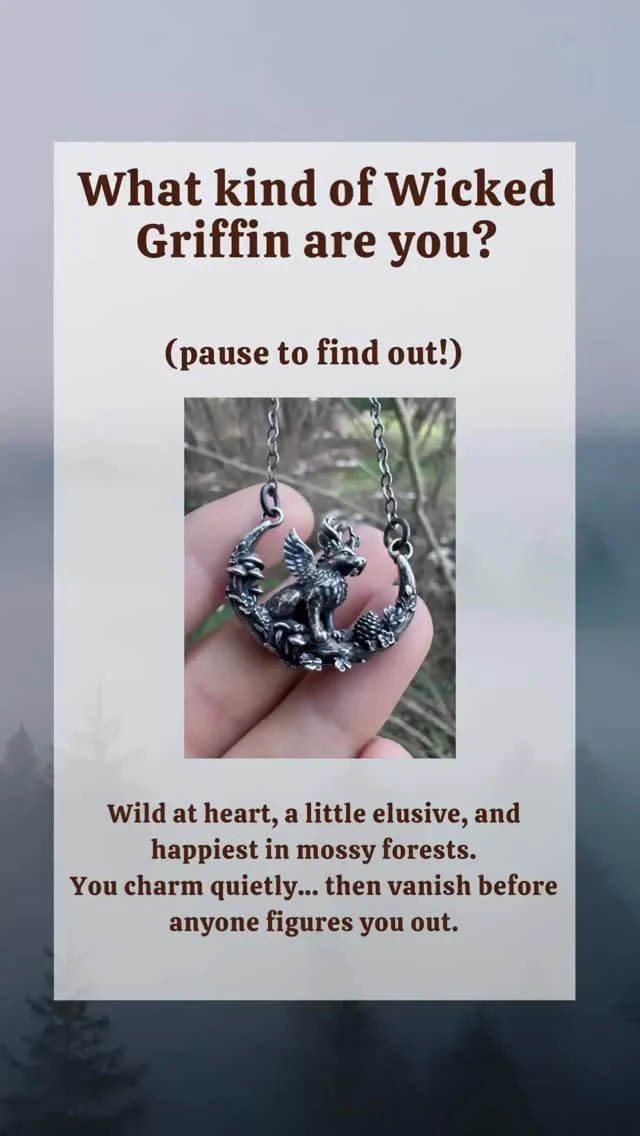
Leave a comment with your result ❤️
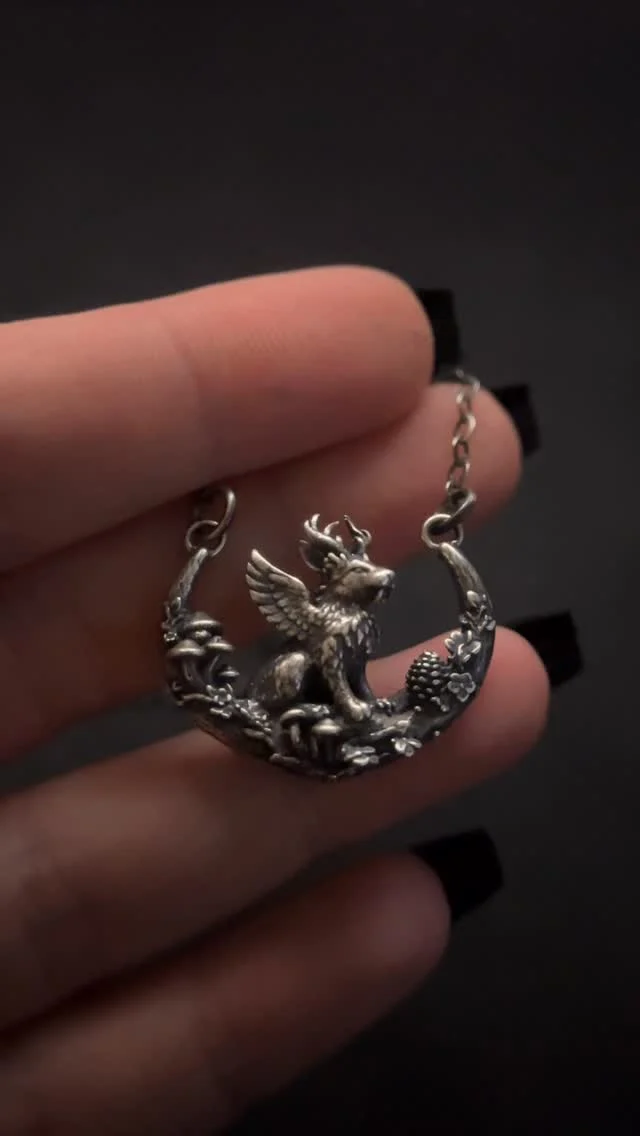
Bavarian Folklore says that you might just cross paths with a Wolpertinger in the alpine...

🐇🌲✨
He finally stepped out of the forest…
The Wolpertinger Pendant has arrived.
Inspired by...

I don’t often sell them, but love it when I do!
Vinca symbol bracelets ❤️...

Rooted in strength + guarded by ravens

The serpent waits 🖤
(Handcrafted Jörmungandr ring made to order in my shop)

Stay warm, everyone ❤️

😑😑😑🤮

I thought I had closed the book on the Alice in Wonderland rings…
But you...

Can this be over now, please?

In case you forgot 💜

Something I’ve been thinking about lately.
If there’s one thing I would’ve done differently early...

This year, we’re not buying things just to keep up.
If you need the reminder:...

My husband is from Bavaria (southern Germany) and I originally made this Krampus pendant for...

Some of the items I’m shipping out today ❤️
Please forgive my dirty nails 😂...

A few items shipping out today 🥰

This mornings rings shipping out ❤️

A few of the rjngs I’m shipping out this morning ❤️
How do you like...

Krampus is coming 🫶🏻

Getting ready to pack up these pretties and ship to their owners ❤️

Freya, cats and pentacles. Doesn’t get any better ❤️

You all got me going crazy making all these fairytale + storybook rings.
But I’ll...

Just launched these pretties ❤️
Size 9 amethyst ring + size 7.25 green kyanite

What would you trade to learn Baba Yaga’s secrets?

It *finally* looks, feels and smells like October!
And here are some items I’m packing...

This mornings pretties getting ready to ship :)

Getting ready to pack up these pretties and ship to their owners ❤️

You bet I’m hopping on this trend 😂
Thank you @shes_sinister for the prompt!

While I welcome the seasonal darkness…it sure is going to make my morning quick videos...

Finally finished the rings I’ve been working on in my stories ❤️
I think I...

Was going to post this update to my stories but it’s too long.

“How do you know I’m mad?” said Alice.
“You must be,” said the Cat, “or...

Some of this mornings orders getting ready to ship. Those little bats are so cute...

Here is the finished ring I was working on in my stories yesterday, along with...

A few of today’s orders shipping out this morning ❤️

The two silver raven rings I was working on in my stories yesterday.
…as well...

Eeeek! I’m so happy to add these to my shop ❤️
I’ve gotten so many...

I had 6 clamshells ready to ship this morning but I dropped and lost my...

Not the story you were told.
The girl didn’t run.
The wolf didn’t win.
This...

I love these raven rings so much 🖤
This mornings pretties shipping out.
All items...

Sleek + minimal Mjölnir ring ⚒️


About the author Jacqueline Fatica


