
Elder Futhark Rune Meanings
Elder Futhark Rune Meanings
The 24 Elder Futhark Runes
Click any rune below to open the full meaning page with pronunciation, historical roots, mythology, sound values, and transcription examples.
Freyr / Freyja’s Aett
Wealth, strength, communication, movement, craft, exchange, and joy.
Heimdall’s Aett
Disruption, need, stillness, harvest, protection, mystery, defense, and sunlight.
Tyr’s Aett
Justice, birth, partnership, humanity, water, fertility, dawn, and inheritance.
Runes Are Sounds First
When writing modern words in runes, it is important to think phonetically. Elder Futhark runes are not a perfect one-for-one match with the modern English alphabet.
The goal is to listen to the word first, then choose the rune that best fits the sound.
Share With Credit
The rune images on this site are part of The Wicked Griffin rune guide. If you share them on social media, please tag and credit @thewickedgriffin.
Choose the rune you are curious about, read its full meaning page, listen to the pronunciation, and follow the historical thread from there.
Rune Meanings Introduction
We do not know everything about the runes today, especially when it comes to their deeper meanings. That is because our written sources are limited, late, and often shaped by the people who preserved them.
The word “rune” derives from Proto-Germanic rūnō, meaning something like secret or whisper. That matters. Runes were never only plain letters. They carried mystery, secrecy, sound, memory, and power.
For the rune meanings on this page, the strongest sources include the Old English Rune Poem from the 8th century, the Old Icelandic Rune Poems from the 15th century, the Abecedarium Nordmannicum, and the skaldic Old Norwegian Rune Poem from the 17th century.
I also draw from the Prose Edda, the Icelandic sagas, linguistic reconstruction, archaeological finds, and research into Germanic and Indo-European culture. I do not and cannot claim 100% certainty about the runes. The mystery remains part of the work.
Key Sources At A Glance
Rune meanings are reconstructed from a mix of poetic, linguistic, archaeological, and mythological evidence. None of these sources gives us the entire picture by itself.
Where Do The Runes Come From?
The Elder Futhark is the oldest widely known runic alphabet, with early inscriptions going back to around the 2nd century CE. Its roots belong to the Germanic Iron Age, but the origin of the runic alphabet is more complex than simply saying “the alphabet of the Vikings.”
The Vikings did use runes, but the Elder Futhark is older than the Viking Age. The Viking Age is more strongly associated with the Younger Futhark, which reduced the rune row from 24 characters to 16.
One major theory is the North Italic or North Etruscan thesis. This suggests that the runes may derive from a North Italic alphabet, especially Venetic or related scripts. The Negau helmet inscription from the 2nd century BCE is often discussed in this context.
The Raetian-family Golasecca culture of the eastern Alps, including areas of Switzerland, southern Germany, and northern Italy, shows inscriptions dating back to around 480-450 BCE that clearly resemble later runic forms. This points toward a deeper southern European contact zone before the runes appear in the Germanic north.
The Mystery Remains
If we choose to seek and understand the runes, we have to dig deeper. Celtic and western Germanic languages derive from Indo-European roots, and more findings suggest that the Etruscan alphabet may have developed through adaptation of the Greek alphabet, which heavily influenced Latin as well.
The Celtic Lepontic alphabet, derived from Etruscan, may be one of the ancient scripts that helped give birth to the Futhark between roughly 200 and 700 CE. But then there are older symbolic traditions such as the Vinča tablets, and the picture becomes even more mysterious.
We know that runes are complex. There are exoteric, esoteric, linguistic, archaeological, and mythological dimensions to them. Archaeological findings suggest that the runic alphabet may not have originated in Scandinavia alone, but through wider cultural contact across Europe.
Runes sit between language, symbol, sound, history, magic, and mystery. That is part of why they continue to fascinate people today.
Explore The Deeper Rune Lore
The runes live somewhere between alphabet, symbol, sound, memory, and magic. These sections open a few of the deeper threads behind the Elder Futhark.
Are runes more than an alphabet?
We do not know for sure, but there are many hints. Even though medieval Icelandic literature is tricky as a historical source, especially because much of it was written down under Christian influence, it still preserves important mythic and magical ideas.
The Icelandic sagas speak of prophets, sorcerers, and ritual specialists. Archaeological remains in graves suggest practices that may be understood as shamanic or animistic. The practice of shamanic techniques appears to have been an occupation or activity, not necessarily a single religion or doctrine.
Galdr, Odin, and spoken power
Magnús Hákonarson refers to galdrar, or singing sorcery, in the phrase Galdrar ok gerningar. This matters because runes were not only carved marks. They were tied to sound, voice, memory, and spoken power.
In the Poetic Edda, Odin says the runes derive from prophecy. In Baldrs Draumar, Odin uses a spell to resurrect a völva. Odin becomes an archetype of initiation into hidden knowledge, sacrifice, magic, and wisdom.
Words, carving, and megin
The High German word Buchstabe, meaning letter, literally points toward “beech-staffs.” This hints at an older world where letters, wood, carving, and spoken words were closely connected.
The accurate term for this kind of power is Proto-Germanic maginą or Old Norse megin, from the Proto-Indo-European root meg, meaning “to be able.”
But able to do what? That is the mystery. There is megin for elements and forces, including earth and water, such as Hafmegin, the power of the sea. Megin seems to have been everywhere.
The Old High German Merseburg Charms also show the power of words: speech can heal, bind, transform, or destroy. In this older worldview, words were not empty. They carried force.
Why certainty is impossible
The rune poems are late compared to the oldest runic inscriptions. The sagas and Eddas preserve important mythic material, but they were written down in medieval Iceland, often after Christianization.
That means we can study, compare, reconstruct, and interpret, but we should be careful with absolute claims. The runes deserve curiosity and respect, not false certainty.
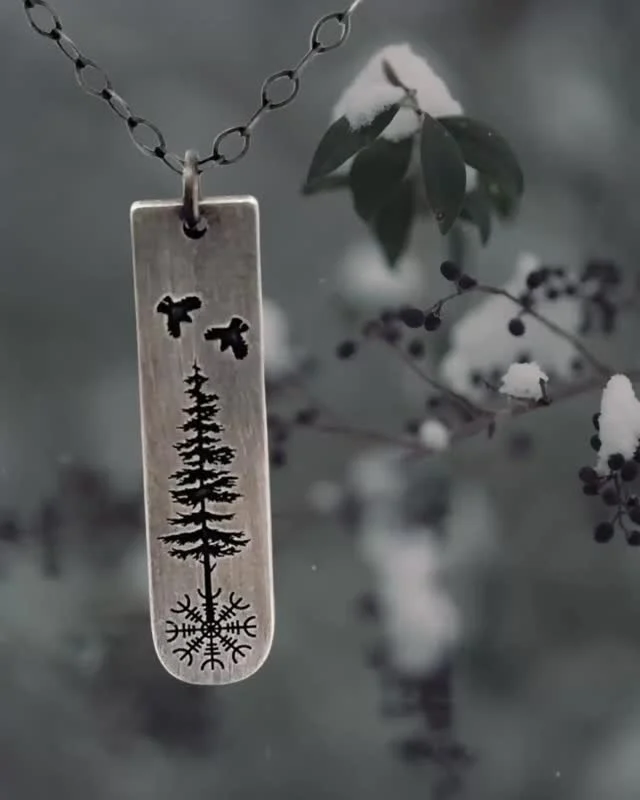
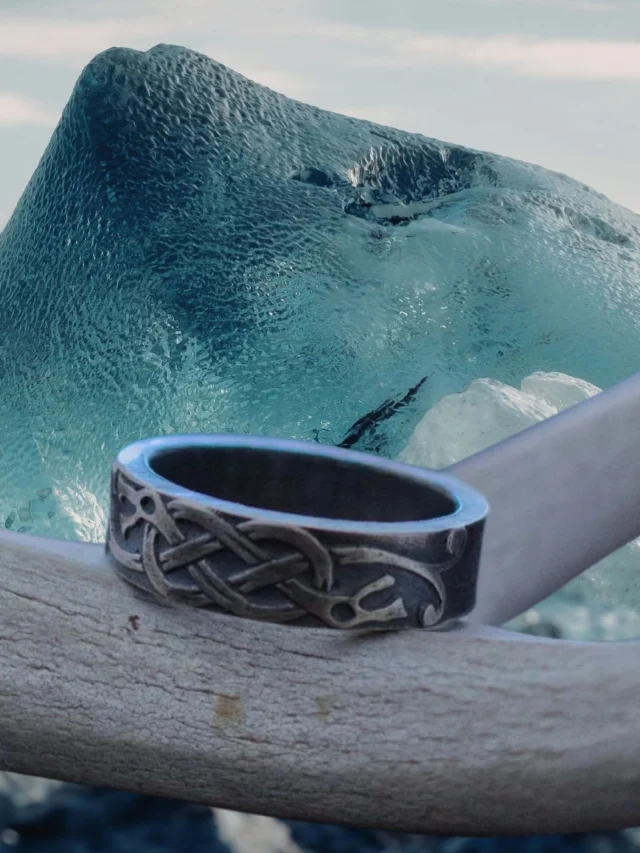
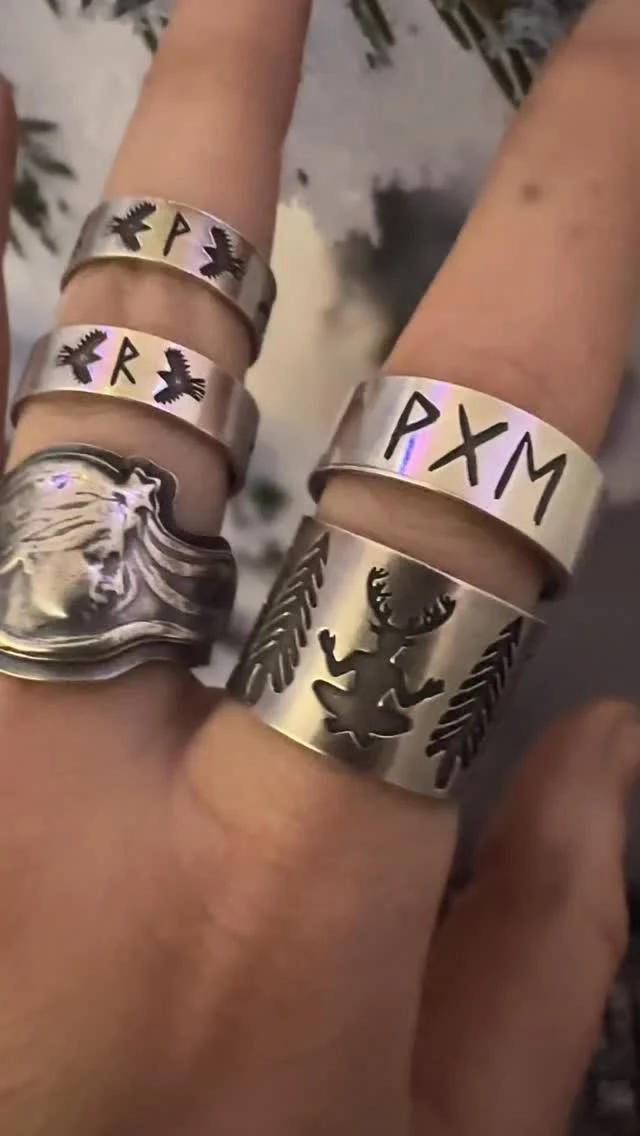
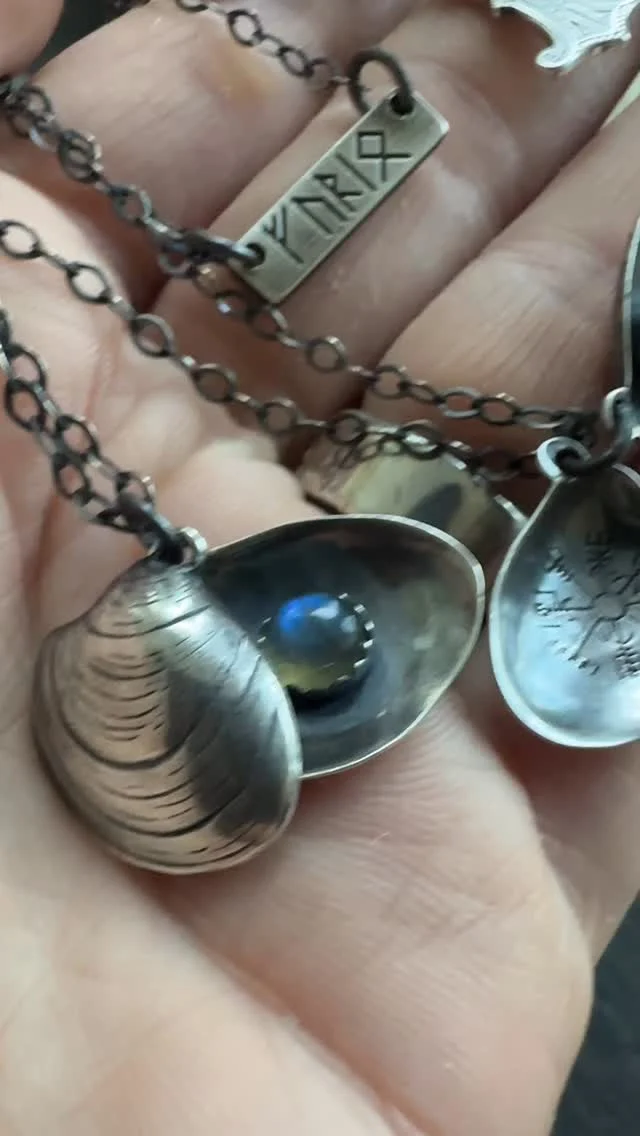
Want a rune in a meaningful piece?
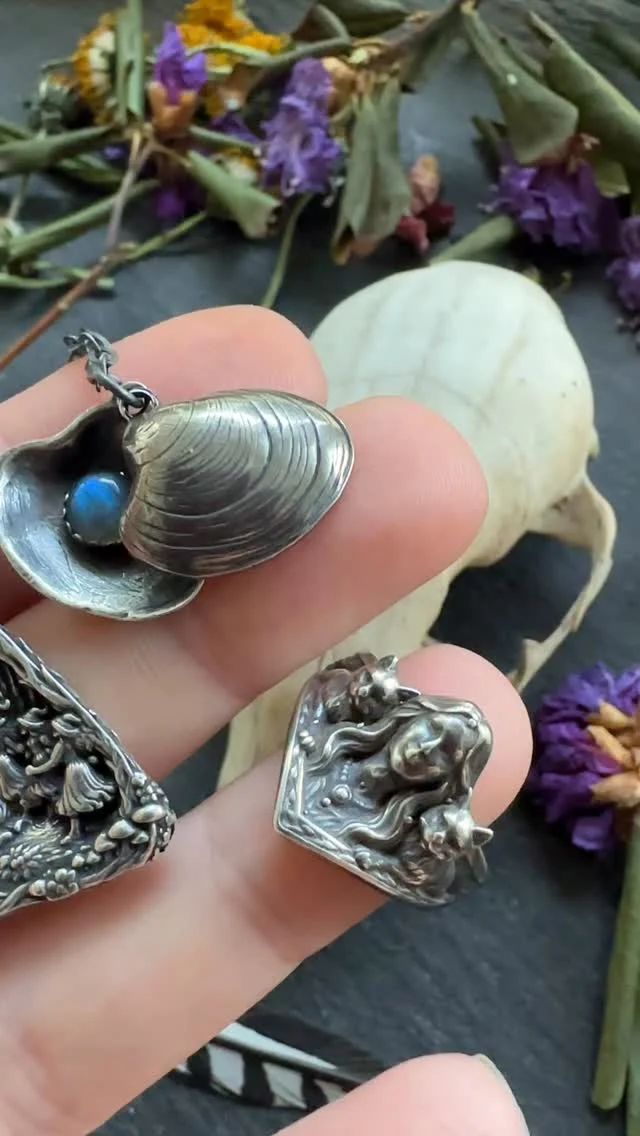
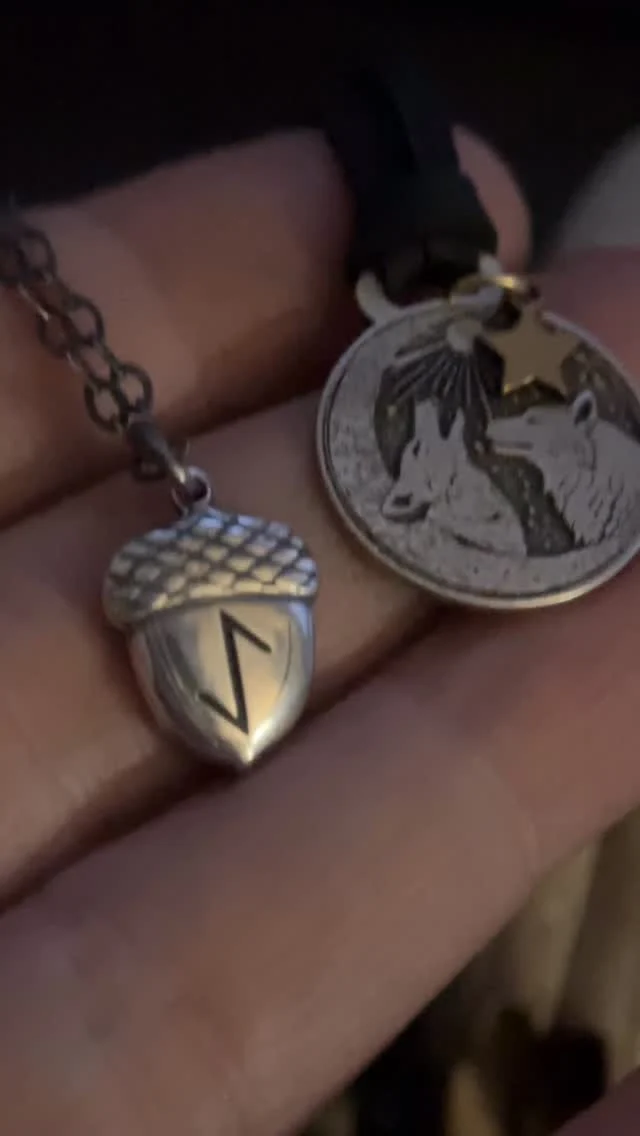
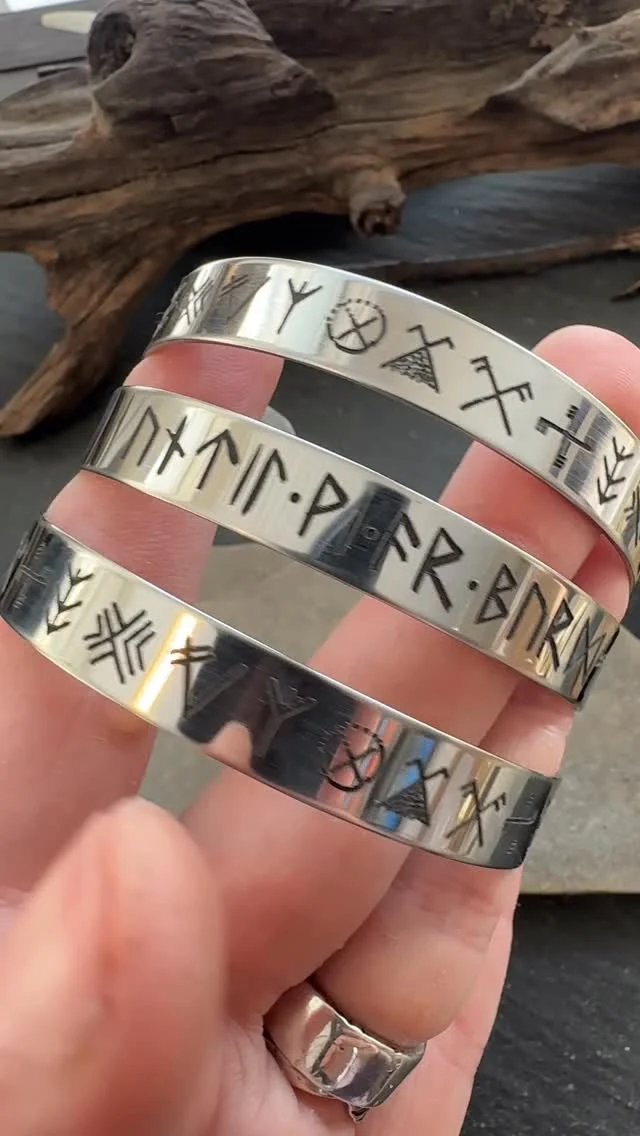
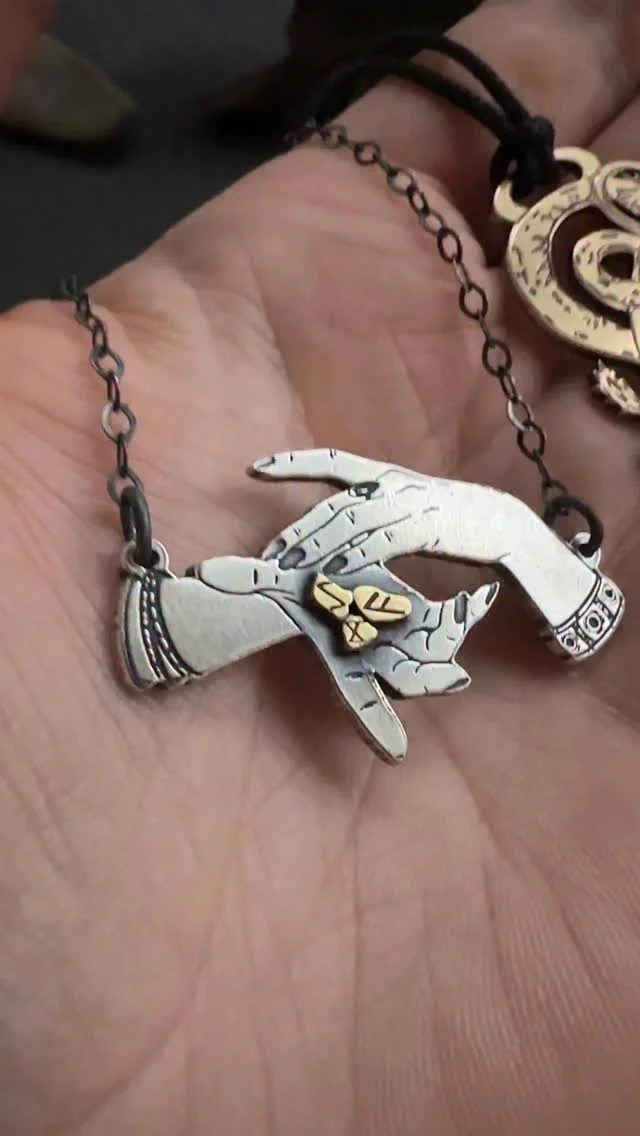
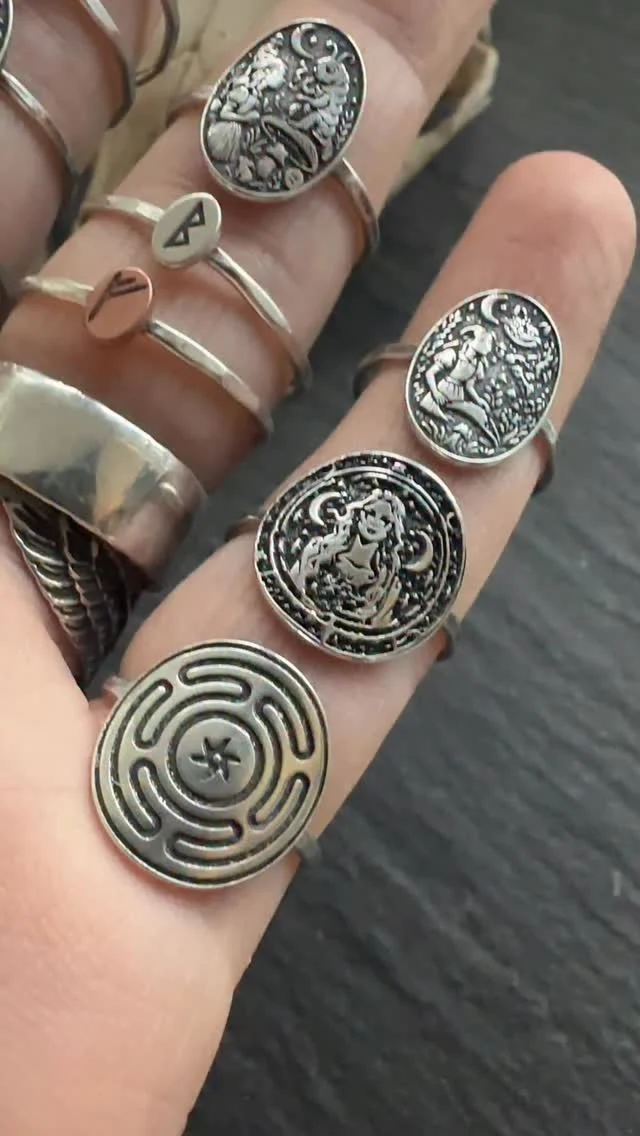
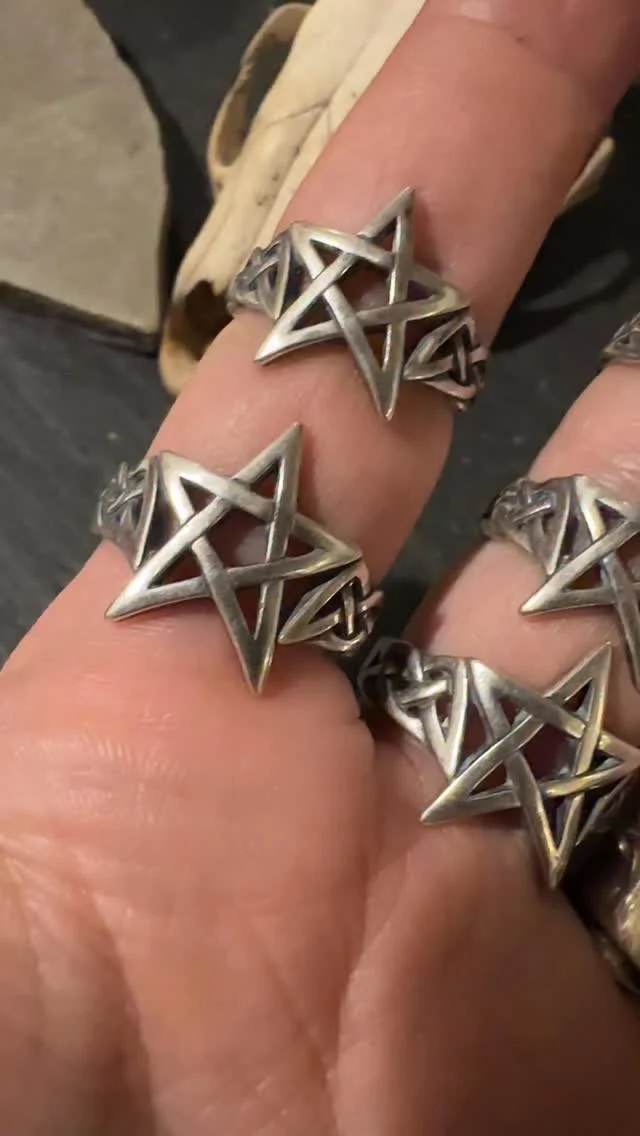
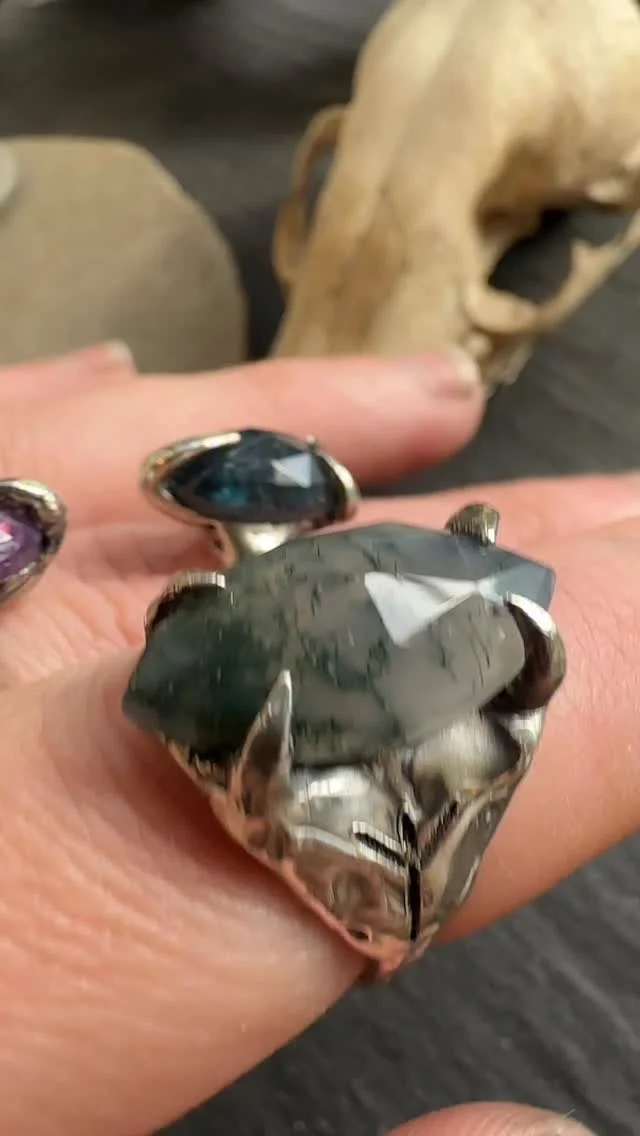
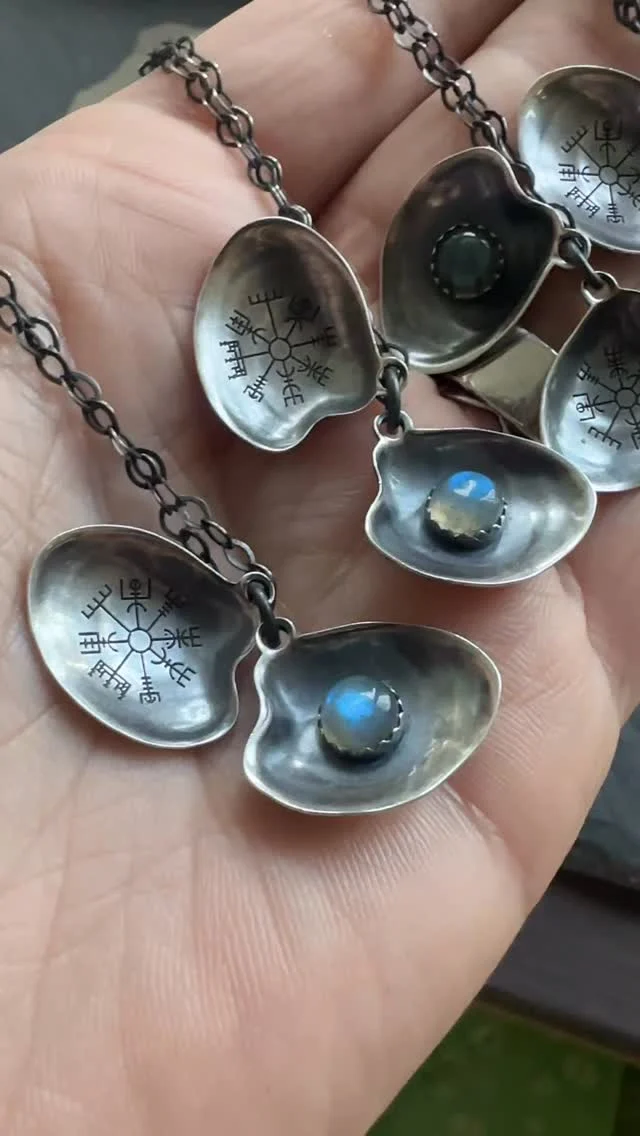
Runes can be powerful symbols for jewelry connected with protection, transformation, ancestry, love, strength, healing, prosperity, and the stories you carry.