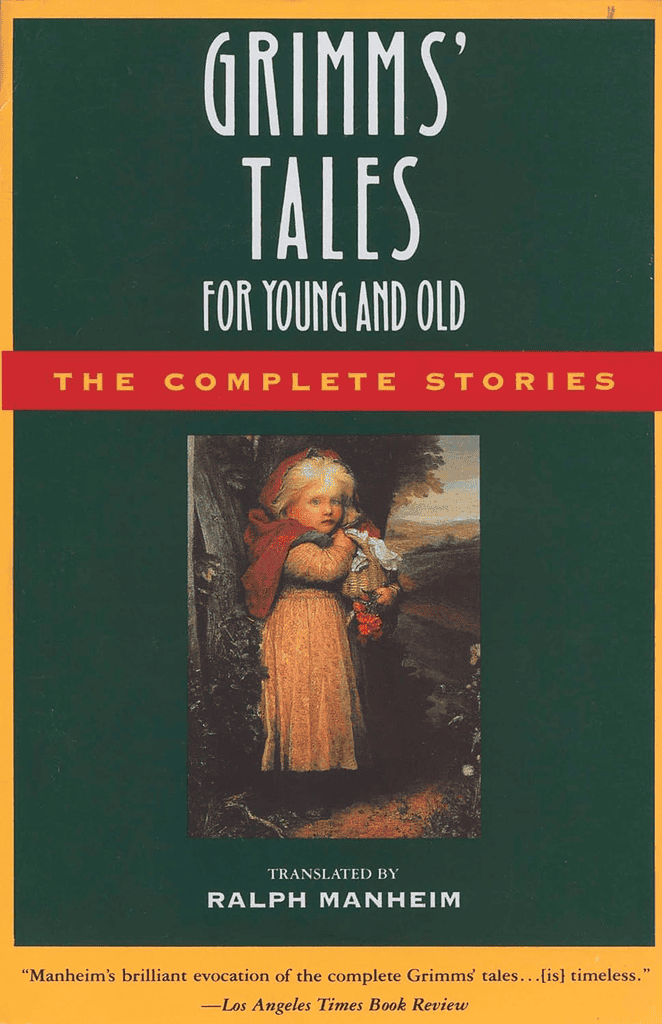
The Kinder- und Hausmärchen (“Children’s and Household Tales”), which were first issued in 1812 and expanded until the final edition of 1857, is the most celebrated collection of fairy tales in European history.
These stories were collected by the Brothers Grimm, Jacob (1785–1863) and Wilhelm (1786–1859), who gathered oral tradition, older folk tales, and literary sources into a beautiful book that would later be honored in UNESCO’s Memory of the World registry.
This complete collection of over two hundred tales shaped western culture, producing classics like Cinderella, Hansel and Gretel, Snow White, Sleeping Beauty, and Rumpelstiltskin.
The annotated list below explores 42 of the most famous fairy tales of the brothers, noting their first edition, publication history, and narrative meaning.
In each description, I tell you about in which Grimm edition a particular fairy tale was first documented and published, the first date of publication as well as a bit about the fairy tale itself.
Each title has a link to more recent publications and editions for everyone who loves to collect fairy tale books (as much as we do, especially if it features gnomes and trolls!).
This article contains affiliate links. If you click a link and purchase a book, I may receive a small commission to support my small handmade jewelry business at no cost to you 🙂
First publication: 1812, Children’s and Household Tales (first edition, vol. 1).
Known today as The Frog Prince, this tale begins the Grimm Brothers’ fairy tales. A princess loses her golden ball and makes a reluctant promise to a frog; when she honors it, the frog transforms into a prince.
The figure of Iron Heinrich, a servant whose bursting chains represent devotion, underlines loyalty as a key theme in the world of the Brothers Grimm.
A cunning cat convinces a naïve mouse to store food for winter but eats it all and devours the mouse in the end. This short but sharp story reflects how grimms collected even whimsical folk tales into their anthology, often as moral warnings.
A girl raised in heaven by the Virgin Mary opens a forbidden door and lies about it, leading to her downfall. Years of penance restore her, showing how fairy tales by Brothers Grimm blend Christian morality with folkloric motifs of trial and redemption.
A fearless youth sleeps among corpses and visits haunted places, yet learns to shudder only when his wife pours minnows over him. This comic inversion shows how folk and fairy tales collected by the Grimms could parody human weakness while entertaining audiences.
The wolf tricks the young goats by imitating their mother’s voice, swallowing six before being cut open and filled with stones. As one of the earliest household tales, it illustrates maternal love, deception, and survival.
Faithful John sacrifices his life to save his king from danger and is turned to stone, only to be revived by the king’s children. This narrative of loyalty and devotion shows why scholars consider it central to the fairy tales of the Brothers Grimm.
First publication: 1812, vol. 1. A stepmother curses a boy into becoming a deer, while his sister protects him until she marries a king. Their devotion exemplifies the resilience found in fairy tales of the brothers, echoing themes of transformation and loyalty.
First publication: 1812, vol. 1. Rapunzel, locked in a tower, lowers her long hair for a prince. After trials and separation, the lovers reunite, and his blindness is healed. This iconic story of captivity and love became one of the most famous Grimm’s fairy tales, still retold in popular culture today.
First publication: 1812, vol. 1. A generous girl feeds three magical men who reward her with beauty, while her selfish stepsister is cursed with ugliness. This moral allegory shows how the Grimms’ fairy tales stressed kindness and humility.
First publication: 1819, 2nd edition. Three grotesque spinners help a lazy girl finish her work, securing her release from spinning forever. The tale critiques vanity and values women’s labor, preserved in the complete collection of children’s and household tales.
First publication: 1812, vol. 1. Abandoned in the forest, Hansel and Gretel discover a witch’s gingerbread house. They outwit her, escape, and return with treasure. This original Grimm tale reflects famine and survival, showing how the Grimms’ fairy tales captured the hardships of old German peasant life.
First publication: 1812, vol. 1. A prince revives his bride with magical leaves, only to be betrayed. Justice restores order, exemplifying the darker justice of original folk traditions.
First publication: 1812, vol. 1. A servant who eats a piece of white snake gains the power to understand animals and wins a princess. The White Snake demonstrates the value of knowledge and compassion in fairy tales of the brothers.
First publication: 1812, vol. 1. Three animated household objects attempt a journey but meet comic disaster. Even such light-hearted anecdotes appear in the anthology created by the Grimms.
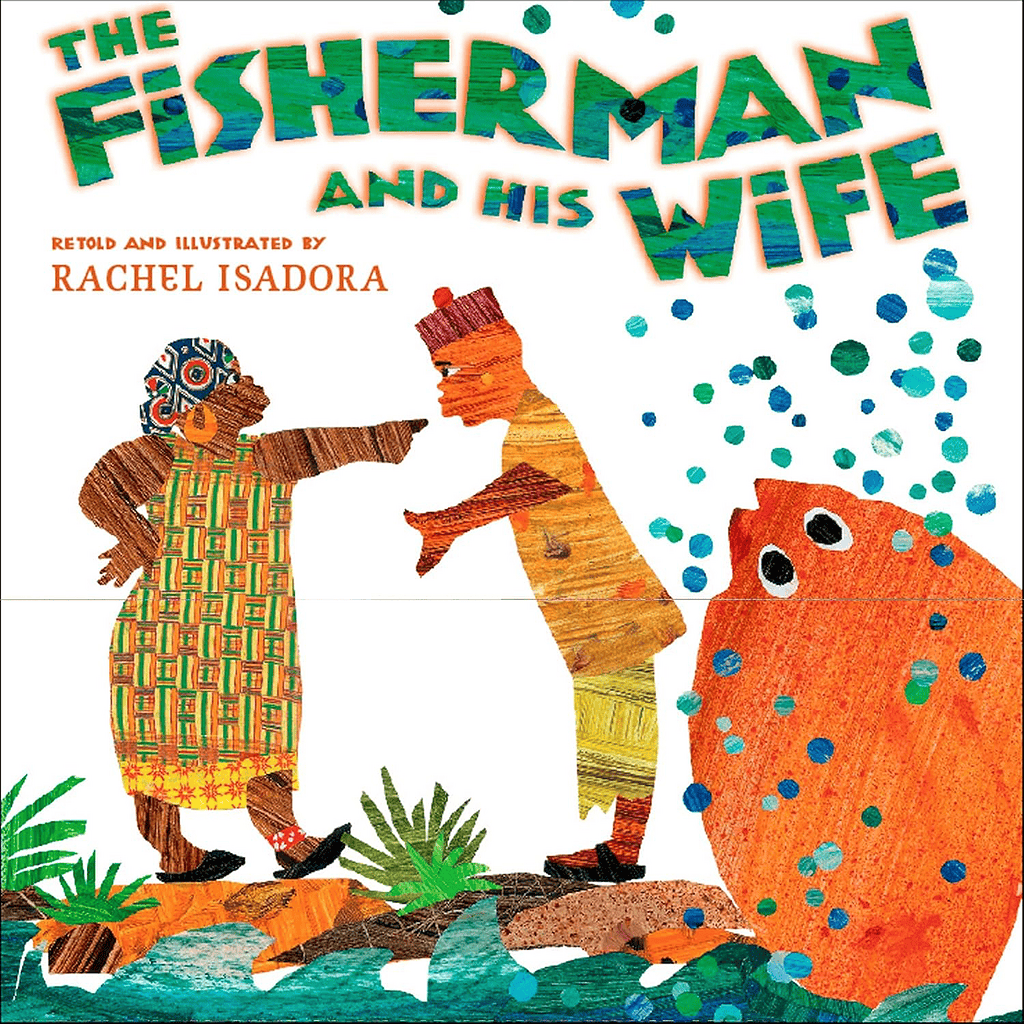
First publication: 1812, vol. 1. A fisherman’s wife asks a magical flounder for ever greater power until she demands divinity and loses everything. This is one of the sharpest moral fairy tales collected by the Brothers Grimm, exposing greed and ambition.
First publication: 1812, vol. 1. Known as the Valiant Little Tailor, the story tells of a tailor whose boast of killing “seven at one blow” (flies) leads him to defeat giants and win a kingdom. This tale, part of the original collection, affirms wit over strength.
First publication: 1812, vol. 1. Cinderella receives help not from a fairy godmother but from a tree at her mother’s grave. The prince discovers her through a golden shoe, and her stepsisters are punished. It remains one of the most famous fairy tales by brothers.
First publication: 1812, vol. 1. A diligent girl serves Mother Hulda and is rewarded with gold, while her lazy sister is punished with pitch. This story, sometimes translated as Mother Hulda, shows how children’s and household tales conveyed moral lessons.
First publication: 1812, vol. 1. A sister rescues her seven brothers turned into ravens. Like other folk and fairy tales, it highlights family devotion and persistence.
First publication: 1812, vol. 1. Often called Red Riding Hood, this version includes a hunter who rescues the girl and grandmother from the wolf. It reveals how the Grimms’ fairy tales softened darker material across later editions.
First publication: 1819, 2nd edition. Four aging animals—donkey, dog, cat, and rooster—scare off robbers and live happily together. This comic tale shows the charm of the Bremen Town Musicians, now iconic in western culture.
First publication: 1812, vol. 1. A bone sings of a murdered brother’s fate, exposing a crime. Such dark motifs reveal why the fairy tales of the Brothers Grimm often shocked Victorian readers.
First publication: 1812, vol. 1. A lucky boy must steal three golden hairs from the devil to win a princess. This journey tale echoes many European folk motifs.
First publication: 1812, vol. 1. Elves secretly help a poor shoemaker until he thanks them with tiny clothes. The tale of gratitude remains beloved in classic literature.
First publication: 1812, vol. 1. Death becomes a child’s godfather but punishes the man for breaking their pact. Its fatalistic theme sets it apart from lighter fairytales.
First publication: 1812, vol. 1. A murdered boy is reborn as a singing bird that avenges him. This chilling story, with illustrations later by artists like Arthur Rackham, represents the darkest side of Grimm’s fairy tales.
First publication: 1812, vol. 1. A sister silently sews shirts from nettles to break her brothers’ curse. Its themes of sacrifice echo across original collection stories.
First publication: 1812, vol. 1. A princess pricks her finger and sleeps a hundred years until awakened by a prince. This version, called Briar Rose, is the most famous German Sleeping Beauty tale.
First publication: 1812, vol. 1. Two foster-siblings escape a witch through shapeshifting. Its imagery shows how Wilhelm Grimm preserved rare German motifs.
First publication: 1812, vol. 1. A haughty princess is humbled when she marries a disguised beggar, later revealed as King Thrushbeard. Like other grimms’ fairy tales, it emphasizes humility and redemption.
First publication: 1812, vol. 1. Snow White is persecuted by her stepmother, hidden with dwarfs, and revived by a prince. It became one of the most famous fairy tales in western culture, immortalized in classic illustrations by Walter Crane.
First publication: 1812, vol. 1. A miller’s boast traps his daughter until she discovers a dwarf’s name: Rumpelstiltskin. Its enduring riddle highlights the wit of children’s literature.
First publication: 1812, vol. 1. A prince seeks a golden bird, aided by a talking fox. The Golden Bird reflects the Grimms’ love of original folk quest tales.
First publication: 1812, vol. 1. A kind youngest brother, aided by grateful animals, solves riddles and frees an enchanted castle. The Queen Bee remains one of the gentlest fairy tales by brothers.
First publication: 1812, vol. 1. A simpleton discovers a golden goose, and everyone who touches it sticks fast until a princess laughs. The Golden Goose tale is a light-hearted jewel in the fairy tales of the Brothers Grimm.
First publication: 1819, 2nd edition. A girl disguised in a cloak of many furs escapes her father and later wins a king’s love. Its complex themes mark it as one of the more controversial children’s and household tales.
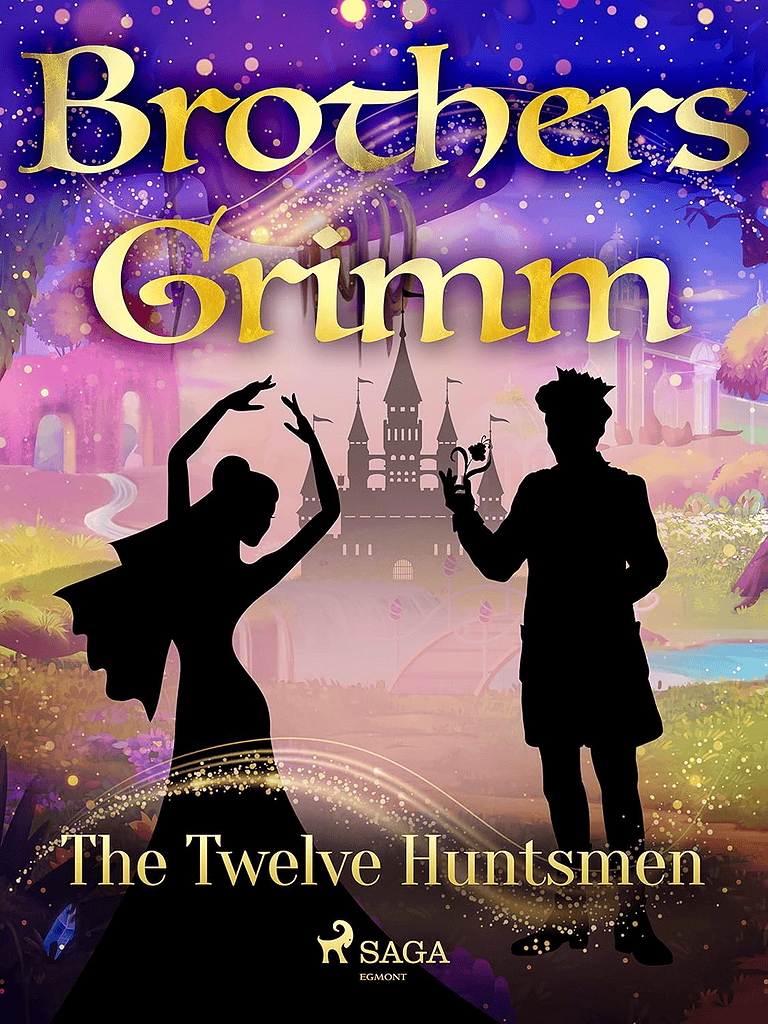
First publication: 1812, vol. 1. A princess disguises herself and eleven others as huntsmen to test her betrothed’s faith. One of the more unusual household tales, it blends loyalty and disguise.
First publication: 1815, vol. 2. A maid usurps her mistress’s place until the truth is revealed. This dramatic tale of justice stands out in the original grimm anthology.
First publication: 1815, vol. 2. Three brothers seek a magical fountain to heal their father. The faithful youngest triumphs, echoing themes from other fairy tales of the brothers Grimm.
First publication: 1815, vol. 2. Soldiers discover why twelve princesses wear out shoes each night. Known in English as The Twelve Dancing Princesses, this story became one of the most illustrated in classic literature.
First publication: 1850, later edition. A wild man mentors a prince, who proves his worth through trial and triumph. As part of the final edition, Iron Hans marks the maturity of Grimm’s fairy tales and shows their enduring power in the complete collection.
This annotated selection shows how the Brothers Grimm gathered stories from oral tradition, folk and fairy tales, and literary sources, revising them through multiple editions until the final edition of 1857.
These 42 tales, from Cinderella to Snow White and Hansel and Gretel, illustrate why the Kinder- und Hausmärchen became a beautiful book of classic literature, illustrated over time by artists like Arthur Rackham, Walter Crane, and translated by Margaret Hunt, Jack Zipes, and Ashliman.
The anthology, originally collected by the Brothers Grimm, remains one of the most significant contributions to the world of the Brothers Grimm and to western culture.
Brother Grimm Fairy Tale Editions
Grimm, J., & Grimm, W. (1812). Kinder- und Hausmärchen. Gesammelt durch die Brüder Grimm. Erster Band. Berlin: Realschulbuchhandlung.
Grimm, J., & Grimm, W. (1815). Kinder- und Hausmärchen. Gesammelt durch die Brüder Grimm. Zweiter Band. Berlin: Realschulbuchhandlung.
Grimm, J., & Grimm, W. (1819). Kinder- und Hausmärchen. Gesammelt durch die Brüder Grimm. Zweite Ausgabe. Erster Band. Berlin: Realschulbuchhandlung.
Grimm, J., & Grimm, W. (1822). Kinder- und Hausmärchen. Gesammelt durch die Brüder Grimm. Zweite Ausgabe. Zweiter Band. Berlin: Realschulbuchhandlung.
Grimm, J., & Grimm, W. (1837, 1840, 1843, 1850). Kinder- und Hausmärchen. 3rd–6th editions. Berlin.
Grimm, J., & Grimm, W. (1857). Kinder- und Hausmärchen. Gesammelt durch die Brüder Grimm. Siebente Ausgabe.Göttingen: Verlag der Dieterichschen Buchhandlung.
Modern Scholarly Editions / Translations For Further Study
Zipes, J. (Ed. & Trans.). (2014). The Original Folk and Fairy Tales of the Brothers Grimm: The Complete First Edition.Princeton University Press.
Tatar, M. (Ed.). (2003). The Annotated Brothers Grimm. W. W. Norton & Company.
Zipes, J. (Trans.). (1987). The Complete Fairy Tales of the Brothers Grimm. Bantam Books.